
Fire-Damaged Car Inspection Process: What South African Owners Should Expect
Learn the fire-damaged car inspection process in South Africa: steps inspectors take, repair vs sell guidance, paperwork and tips to improve outcomes.
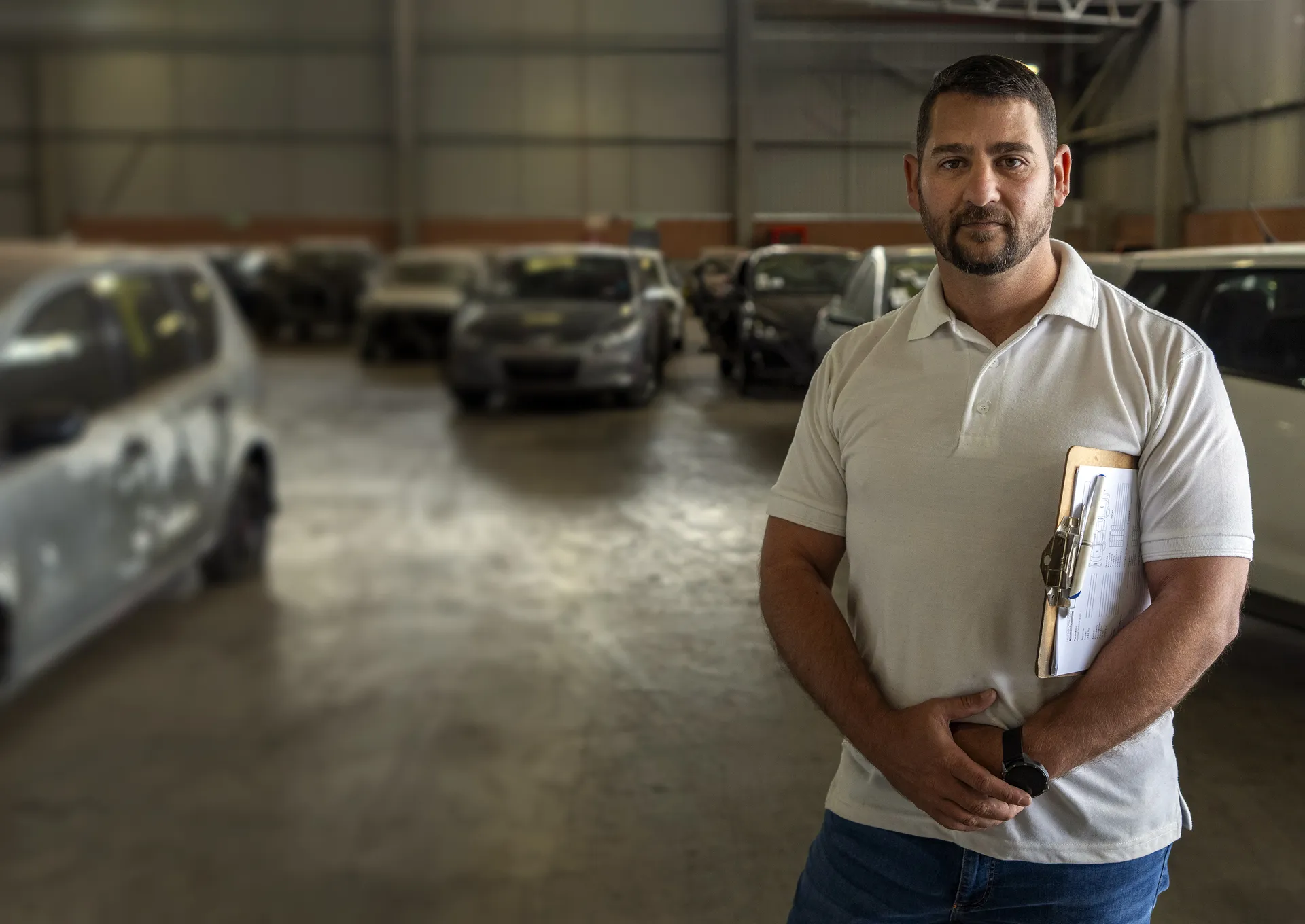
What Inspectors Check
Electrical, engine, structural and interior damage are all assessed in detail.
Repair vs Sell Decision
Compare repair cost estimates to market value before deciding.
SA Paperwork & Support
Keep documents and consider buyers who handle deregistration and towing.
Overview: Understanding the fire-damaged car inspection process
A fire-damaged car inspection is a detailed assessment that determines the extent of heat, smoke and flame damage, safety risks, and whether repair is viable or the vehicle is effectively a total loss. The inspection covers mechanical systems, structural integrity, electrical components and interior condition. For South African owners, an informed inspection helps when dealing with insurers, repairers or when deciding to sell the vehicle as-is to a specialist buyer.
Inspections are typically performed by qualified automotive assessors, insurance loss adjusters or specialist salvage evaluators. The process documents visible and hidden damage and produces a condition report that forms the basis for cost estimates and offers. If you plan to sell rather than repair, a clear inspection report can help explain value adjustments and support a transparent transaction.
Key inspection stages
- Initial visual survey (exterior and interior)
- Electrical and battery checks
- Engine bay and fuel system assessment
- Structural and chassis inspection
- Smoke, soot and contamination assessment
- Detailed photographic documentation and report
Practical note: Photographs from multiple angles and a brief written timeline of the incident accelerate the inspection and produce a more accurate report.
When to sell vs repair after fire damage
Deciding whether to repair a fire-damaged vehicle or sell it depends on repair cost, safety, future reliability and market value. Small localized interior fires may be repairable, while extensive engine or structural heat damage often leads to a repair bill that exceeds the car's market value. Typical factors to weigh include the vehicle's pre-incident market value, expected repair cost, your appetite for risk, and insurance outcomes.
Repair cost vs value retained (estimates for SA context)
| Repair cost range (R) | Typical value retained (estimate) | Likely recommendation |
|---|---|---|
| R5,000 - R25,000 | 70%-90% | Repair usually viable for minor interior/electrical fires |
| R25,000 - R80,000 | 40%-70% | Repair possible; consider age & reliability |
| Above R80,000 | Below 40% | Often deemed uneconomical - selling as salvage is common |
These figures are indicative estimates for South Africa and will vary by make, model, year and local labour/parts costs. Always request a written estimate from an approved workshop and an independent inspection if you plan to repair.
If you want an alternative to repair, consider selling the vehicle to a specialist. Services that buy damaged vehicles can accept fire-damaged cars in any condition and often handle free towing and paperwork. For more detail on selling damaged cars, see Sell Damaged Cars.
How the inspection process works - step by step
A typical fire-damaged car inspection follows a consistent flow. Below is an outline you can expect when arranging an assessment with an insurer, independent assessor or a salvage buyer.
Step 1 - Initial information gathering
Provide the assessor with the incident date, short description of how the fire started (if known), vehicle documents and any photos or videos you already have. Early details reduce on-site time and help assess hidden damage potential.
Step 2 - External and interior visual survey
Inspectors document paint blistering, bumper and trim damage, melted plastics, glass condition and interior burning or smoke deposition. They will also look for signs of direct flame reaching critical areas such as the dashboard, wiring looms and seat structures.
For a broader understanding of vehicle condition categories and services that buy non-running vehicles, see Sell Non-Running Car.
Step 3 - Engine bay, fuel system and electrical checks
Assessors check for heat damage to the engine head, plastic covers, wiring harnesses, alternator, fuse boxes and fuel lines. Even if the engine appears intact, melted insulation and compromised connectors can create major repair costs and ongoing reliability concerns.
Step 4 - Structural and chassis inspection
High-heat exposure can affect forged and welded components. Inspectors look for warped suspension parts, heat-cracked welds and chassis distortion. If structural integrity is compromised, the vehicle may be classified as uneconomical to repair.
Damage types vs typical offer impact
| Damage type | Common inspection findings | Typical effect on offers |
|---|---|---|
| Minor interior smoke | Soot, odour, minor trim melting | Small reduction; repairable at modest cost |
| Engine-bay fire | Damaged wiring, sensors, plastic components | Significant offer reduction; potential write-off |
| Structural/underbody heat | Warped frames, compromised mounts | Often low salvage offers due to safety concerns |
Legal & paperwork considerations in South Africa
After inspection, paperwork depends on whether you repair, claim with insurance or sell. Important items for fire-damaged vehicles in South Africa include the vehicle registration document, police/incident reports if required by insurer, and any insurance settlement documentation. If you sell or transfer a salvage vehicle, deregistration and transfer of ownership must follow national traffic regulations.
Specialist buyers or services that handle damaged vehicles often assist with deregistration and transfer. If you need to confirm how deregistration works regionally, consult official guidance or an experienced buyer. Learn more about our process and paperwork handling on the About / How it works page.
Tips to maximise inspection outcomes and offers
- Provide clear, timestamped photos of the vehicle before and after the incident if available.
- Keep the vehicle clean from additional contaminants after the fire to avoid misinterpretation of later damage.
- Supply service records and receipts that show prior maintenance - this helps establish pre-fire value.
- Obtain at least one independent inspection or written estimate before committing to major repairs.
- If selling, choose a buyer experienced with salvage and deregistration to reduce admin delays.
What happens after collection or acceptance of an offer
If you choose to sell the vehicle after inspection, collection and transfer steps are typically: agreement on price, completion of required documents, collection via tow (often free when working with specialist buyers) and final payment. For owners who repair, choose accredited workshops and insist on signed warranties for the work done.
If you want a quick alternative to repair, specialist services that buy damaged cars nationwide can simplify the process and manage towing and paperwork. For information about selling a damaged vehicle nationwide in South Africa, visit the homepage for typical steps and inclusions.
Final thoughts
A thorough inspection is critical after fire damage: it protects safety, clarifies repair feasibility, and supports fair insurance or sale outcomes. Documentation, transparency and working with experienced assessors or buyers will produce the most reliable result for South African vehicle owners navigating this difficult situation.
Sources
Seasoned automotive specialists dedicated to helping you turn your damaged or non-running vehicle into cash fast and hassle-free.
Disclaimer: This content is for educational purposes only. Product availability, pricing, and specifications are subject to change. Always verify current details on the retailer's website before making a purchase. We may earn affiliate commissions from qualifying purchases.
Why sell your damaged car to us?

A Division of Auction Nation, the leading expert in selling damaged cars

Best price for your damaged car
Get a cash offer within 24h

We buy damaged cars in any condition

We buy accident- damaged cars still under finance

Free, no obligation offer on your vehicle
How We Calculate Your Damaged Car’s Value
Wondering how we calculate your car’s value? At Sell Your Damaged Car, we look at: Your car’s real condition, its salvage value, and the current market demand. It’s all about honesty, transparency, and fairness — that’s how we determine your offer.
Frequently Asked Questions
Get answers to common questions about Damage Types
Why Choose Sell Your Damaged Car?
Free Towing
Need a tow? We got you
Hassle Free
Get a cash offer within 24h!
Nationwide
Somewhere remote? No problem!
