
Key Differences in De-Fleeting Damaged vs Scrap Vehicles in South Africa
Learn the essential differences in de-fleeting damaged vs scrap vehicles in South Africa: resale potential, paperwork, deregistration, and legal steps for fleet owners.
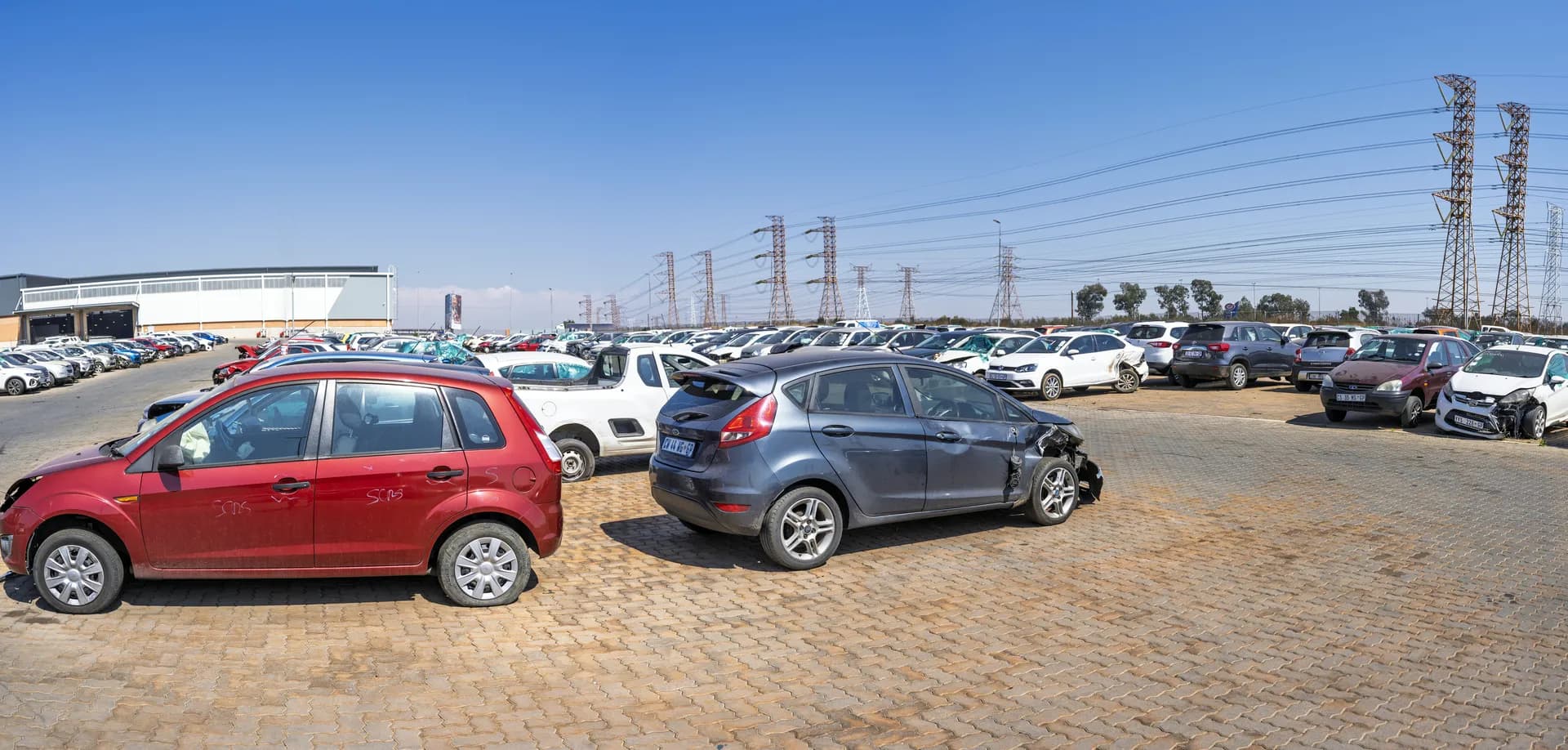
Overview: What is De-Fleeting and How Do Damage Types Matter?
De-fleeting is the process by which businesses and fleet owners replace or dispose of vehicles at the end of their service life. In South Africa, de-fleeting can involve undamaged, damaged, or completely scrap vehicles. Knowing the difference between a 'damaged' and a 'scrap' vehicle is essential for choosing the best resale or disposal option, ensuring full legal compliance, and maximising fleet asset value.
- Damaged vehicles: Still retain some functional or repairable value-examples include accident damage, hail damage, or major mechanical failure.
- Scrap vehicles: No longer roadworthy nor repairable, with value based almost solely on parts and scrap metal. These may have been written off, burnt out, or stripped of useful components.
De-Fleeting: Damaged vs Scrap Vehicles - Key Processes
For South African private fleet owners and small businesses in cities like Johannesburg, Cape Town, and Durban, the approach to de-fleeting varies significantly depending on whether the vehicles are damaged or scrap. This affects paperwork, collection options, legal requirements, and final resale.
| Aspect | Damaged Vehicles | Scrap Vehicles |
|---|---|---|
| Resale Potential | Possible repair, salvage parts, offers higher than scrap | Value is for metal and remaining parts only |
| Paperwork | Change of ownership or deregistration after sale | Mandatory deregistration as scrap on eNatis |
| Collection | Tow-away usually required; free with specialist buyers | Always towed/collected as non-runner |
| Documentation Required | Reg papers, proof of ID, sale agreement | Reg, police clearance (for major loss/strip), scrap certificate |
| Market Options | Sold to repair shops, salvage dealers, or specialist buyers like Sell Your Damaged Car | Sold to scrap yards or certified recycling facilities |
Why Not All Damaged Vehicles Become Scrap
Many vehicles with mechanical or accidental damage can still be sold for parts or as restoration projects-especially common in the South African salvage market. Only vehicles deemed uneconomical or unsafe to repair become official scrap and must be deregistered accordingly.
De-Fleeting Under Finance or with Outstanding Liens
If damaged or scrap vehicles are still under finance, the consent of the bank or financial institution is required before disposal.
- For damaged (but repairable) vehicles, payout values may help settle outstanding finance.
- For scrap vehicles, insurers usually settle directly and issue a salvage payout if written off.
Step-by-Step: De-Fleeting Damaged vs Scrap Vehicles
For Damaged Vehicles
- Assess the extent of damage and obtain repair quotes, if applicable.
- Decide if repair is viable (compare to value if sold as-is).
- Collect vehicle registration documents and proof of ownership.
- Contact specialist buyers like Sell Your Damaged Car and obtain multiple offers if needed.
- Once sold, complete change-of-ownership or deregistration on the eNatis system.
For Scrap Vehicles
- Establish that the vehicle is uneconomical to repair or legally unroadworthy.
- Obtain a scrap certificate from a licensed scrapyard or recycling facility.
- Deregister the vehicle as 'scrap' on the eNatis system-this step is required by law in South Africa.
- Arrange free collection/towing by the appointed scrap yard or a nationwide buyer.
- Keep proof of deregistration and transfer to avoid future liabilities.
| Damage Type | Typical Offer Impact |
|---|---|
| Minor accident/repairable | Retains most value; higher offer as repair or parts donor |
| Severe mechanical issues | Offer depends on salvageable parts |
| Burnt-out/stripped | Only scrap value offered |
| Complete write-off | Scrap or recycling price only |
Legal Considerations and Risk Minimisation
- Always remove your name from the eNatis and deregister a vehicle as scrap to avoid liability for future fines or criminal use.
- Keep sale and deregistration documents-especially valuable for business and fleet accounting records.
- Ensure buyers and handlers are licensed to deal in salvage or scrap vehicles.
After Collection: What Happens to Damaged and Scrap Vehicles?
Damaged vehicles often enter salvage auctions, are restored, or are broken down for reusable parts. Scrap vehicles go directly to recycling facilities for dismantling and safe disposal, meeting all environmental and legislative requirements in South Africa.
Sources
Seasoned automotive specialists dedicated to helping you turn your damaged or non-running vehicle into cash fast and hassle-free.
Disclaimer: This content is for educational purposes only. Product availability, pricing, and specifications are subject to change. Always verify current details on the retailer's website before making a purchase. We may earn affiliate commissions from qualifying purchases.
Why sell your damaged car to us?

A Division of Auction Nation, the leading expert in selling damaged cars

Best price for your damaged car

Get a cash offer within 24h

We buy damaged cars in any condition

We buy accident- damaged cars still under finance

Free, no obligation offer on your vehicle
How We Calculate Your Damaged Car’s Value
Wondering how we calculate your car’s value? At Sell Your Damaged Car, we look at: Your car’s real condition, its salvage value, and the current market demand. It’s all about honesty, transparency, and fairness — that’s how we determine your offer.
Frequently Asked Questions
Get answers to common questions about Comparison And Alternatives
Why Choose Sell Your Damaged Car?
Free Towing
Need a tow? We got you
Hassle Free
Get a cash offer within 24h!
Nationwide
Somewhere remote? No problem!
