
Salvage Vehicle Market Trends in South Africa: What Owners Need to Know
Explore the latest salvage vehicle market trends in South Africa, what they mean for owners, and step-by-step advice on selling a damaged car.
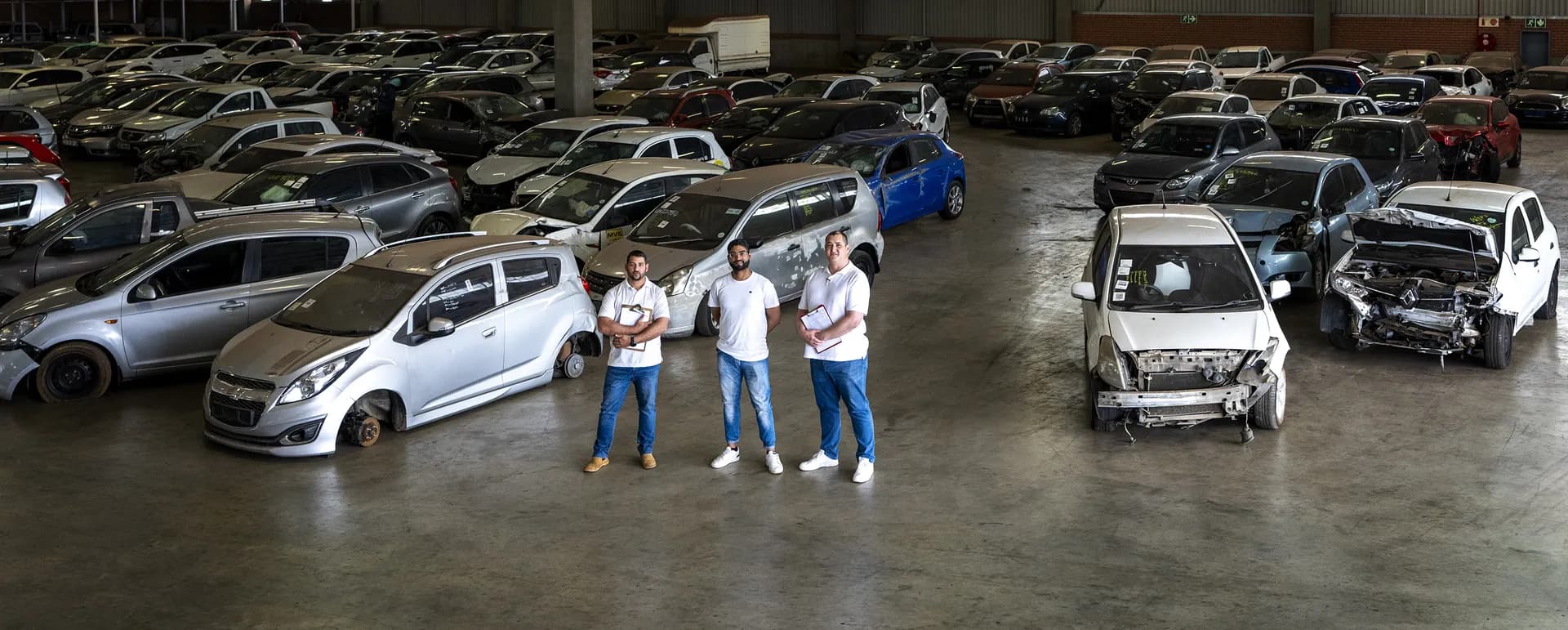
Overview: South Africa's Salvage Vehicle Market
The South African salvage vehicle market plays a vital role in the automotive ecosystem, giving accident-damaged, non-running, and written-off vehicles a second life or a transparent path to recycling. Whether you're a private car owner or manage a small business fleet, staying on top of market trends is essential if you want to make informed choices about selling a damaged vehicle for cash.
A salvage vehicle is generally classified as one that has undergone sufficient damage-either through accident, flood, fire, or mechanical failure-that repairs would exceed or approach its pre-damage market value. Increasingly, these vehicles are being purchased by specialist car-buying services, such as Sell Your Damaged Car, which offer immediate, hassle-free options for owners nationwide.
Market Size and Key Drivers in 2024
The volume of salvage vehicles traded across South Africa has risen steadily over the past decade. Several factors influence this market:
- Rising accident rates in major metros like Johannesburg, Cape Town, and Durban.
- Increasing costs for repairs versus vehicle replacement, especially for older models.
- Growth in online car sales and salvage auctions.
- Regulatory changes covering written-off vehicles and roadworthiness.
Repair or Sell? The Economic Equation
Deciding whether to repair your damaged car or sell it as salvage depends on the underlying economic factors. Here's a practical comparison using typical South African market data (estimates, Rands):
| Damage Type | Avg. Repair Cost (R) | Value Retained After Repair (%) |
|---|---|---|
| Minor Panel | 8,000 - 20,000 | 85-90% |
| Accident Chassis | 22,000 - 60,000 | 65-75% |
| Engine Major | 28,000 - 70,000 | 70-80% |
| Flood/Fire Damage | 40,000+ | 50-65% |
If the cost of repair approaches the insured value or replacement cost, the salvage route may be more sensible, freeing you of ongoing expenses and uncertainty.
The Rise of Hassle-Free Salvage Selling
One of the strongest current trends is a shift toward transparent, specialist buying services. These companies simplify valuation, handle paperwork (including deregistration), and offer free nationwide towing, saving sellers both time and effort compared to traditional private buyers or trade-ins.
How the Salvage Selling Process Works in 2024
Today's leading salvage buyers in South Africa, including Sell Your Damaged Car, offer streamlined processes designed around digital convenience and legal compliance. Here's a typical step-by-step journey:
- Upload vehicle details and images online for a preliminary assessment.
- Receive a transparent, obligation-free cash offer.
- If accepted, schedule free towing from anywhere in South Africa.
- Sign over relevant paperwork; buyer manages deregistration and legal admin.
- Payment is released and verified immediately upon collection.
Impact of Damage Type on Offer Values
| Type of Damage | Typical Offer Impact |
|---|---|
| Minor Cosmetic | Lower reduction - quick resale/repair potential |
| Structural/Chassis | Significantly reduced value, often parts-only |
| Non-running/Mechanical | Depends on extent - sometimes repairable, sometimes salvage |
| Flood/Fire | Usually eligible for recycling or spares, lower offers |
Legal, Paperwork & Regulatory Trends
South African law requires damaged vehicles be properly deregistered if they are written-off or sold for salvage. Buyers like Sell Your Damaged Car assist with mandatory paperwork and help owners comply with regulations, including vehicles under finance. Recent years have also seen a push for improved transparency to protect sellers from scams and ensure fair valuations.
Tips to Maximise Your Offer in the Current Market
- Provide detailed, clear photographs from multiple angles-including close-ups of all damage.
- Supply a complete record of service history and available paperwork.
- Mention if key components (engine, transmission, airbags) are still intact or recently replaced.
- Act promptly; ongoing deterioration or storage fees can reduce a vehicle's salvage value.
What Happens After Collection?
Once collected, salvage vehicles are assessed for potential repair, recycling, or part-out to supply South Africa's substantial spares market. Owners receive their payment swiftly and documentation confirming transfer-meaning no further legal or administrative burden.
Sources
Seasoned automotive specialists dedicated to helping you turn your damaged or non-running vehicle into cash fast and hassle-free.
Disclaimer: This content is for educational purposes only. Product availability, pricing, and specifications are subject to change. Always verify current details on the retailer's website before making a purchase. We may earn affiliate commissions from qualifying purchases.
Why sell your damaged car to us?

A Division of Auction Nation, the leading expert in selling damaged cars

Best price for your damaged car

Get a cash offer within 24h

We buy damaged cars in any condition

We buy accident- damaged cars still under finance

Free, no obligation offer on your vehicle
How We Calculate Your Damaged Car’s Value
Wondering how we calculate your car’s value? At Sell Your Damaged Car, we look at: Your car’s real condition, its salvage value, and the current market demand. It’s all about honesty, transparency, and fairness — that’s how we determine your offer.
Frequently Asked Questions
Get answers to common questions about Damage Types
Why Choose Sell Your Damaged Car?
Free Towing
Need a tow? We got you
Hassle Free
Get a cash offer within 24h!
Nationwide
Somewhere remote? No problem!
