
De-fleeting services comparison South Africa - choosing the right option for damaged and end-of-life fleet vehicles
Compare de-fleeting options in South Africa for damaged, non-running or written-off fleet vehicles - auctions, trade-ins, part-out and specialist buyers explained.
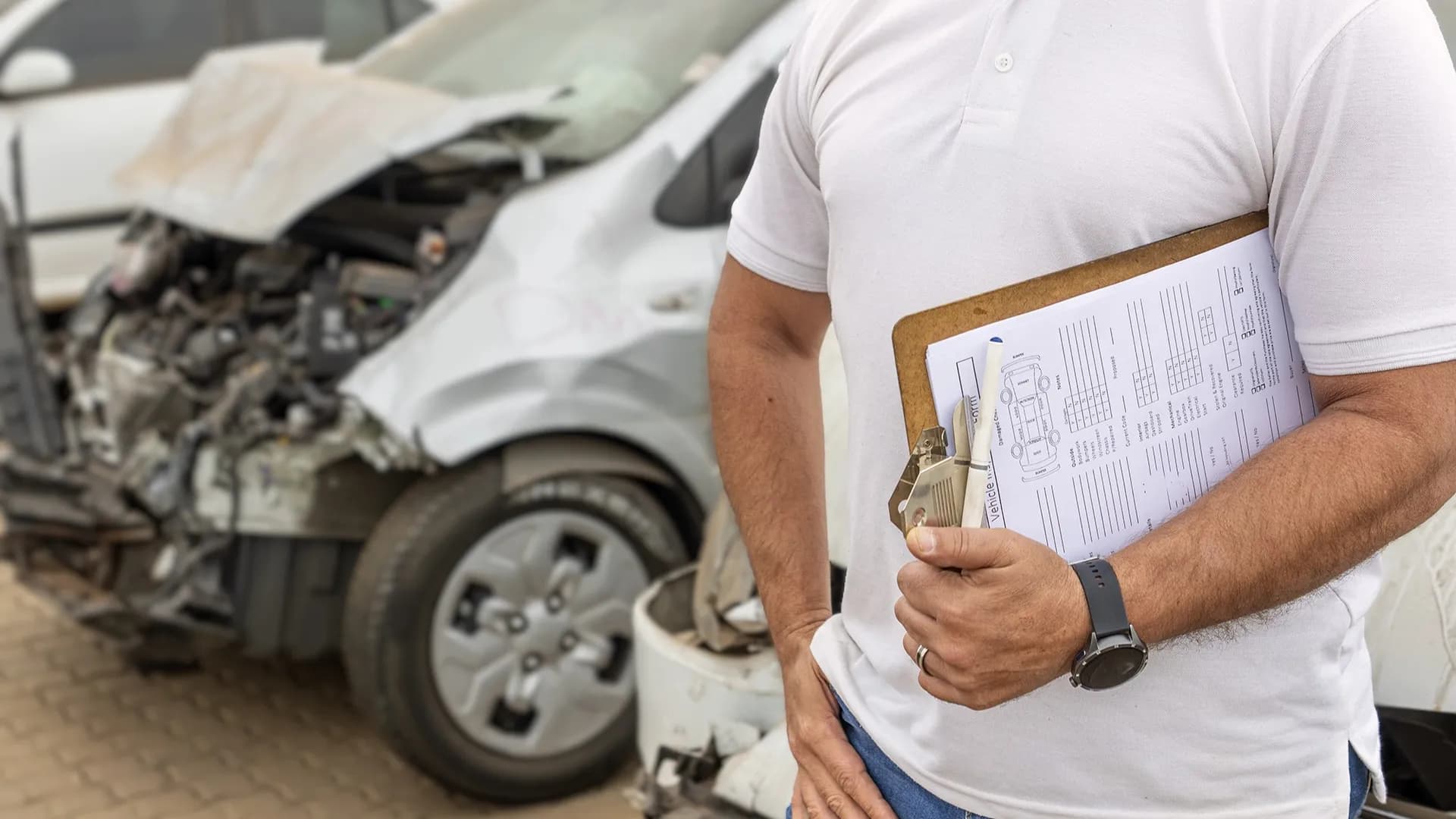
Overview: what 'de-fleeting' means for South African fleets
De-fleeting services comparison South Africa is about understanding the routes fleet owners can take when retiring vehicles: trade-in, auction, resale to brokers, part-out for spares, or selling to specialist buyers who purchase damaged and non-running vehicles. For corporate fleets, rental companies and small business owners, the choice affects time, admin burden, transport cost and net cash recovered. This guide explains each option, compares typical outcomes, and highlights South Africa-specific legal and logistical points including deregistration, finance settlement and free collection considerations.
Who should read this
Fleet managers, small business owners, rental operators and dealerships in Johannesburg, Cape Town, Durban and surrounding regions who need a reliable, low-administrative-cost way to retire damaged, written-off or non-running vehicles.
Common de-fleeting options
- Trade-in with dealer: convenient for replacement purchases but often yields a lower net cash value for damaged vehicles.
- Public or specialist auctions: can return higher sums for repairable cars but involve fees, lead time and transport logistics.
- Sell to dismantlers/part-out: good for high-demand models; requires vehicle to be moved and stripped, which can take time.
- Direct sale to specialist buyers: companies that buy vehicles in any condition (including written-off and non-running) - often provide fast offers, free towing and handle paperwork.
Quick comparison table
| Option | Speed | Admin burden | Typical net outcome |
|---|---|---|---|
| Dealer trade-in | Fast | Low | Lower cash for damaged vehicles |
| Auction | Moderate to slow | Moderate (fees/contracts) | Variable - can be good for repairable stock |
| Dismantler / part-out | Slow | High (logistics & oversight) | Potentially higher for popular parts |
| Specialist buyer (any condition) | Very fast | Low (buyer handles paperwork & towing) | Competitive cash offer for damaged/non-running vehicles |
Note: For fleet vehicles with outstanding finance, the settlement amount must be confirmed before transfer. Many specialist buyers can assist in liaising with finance houses, but legal responsibility for the debt remains with the registered owner until settled.
When to choose selling fast vs trying to extract more value
Deciding whether to pursue an auction or keep a vehicle for parts depends on time, storage costs and likely repair cost versus expected resale value. Below is an illustrative 'Repair cost vs value retained' table with South Africa examples (estimates):
| Scenario | Typical repair cost (R) | Estimated post-repair market value (R) | Net benefit |
|---|---|---|---|
| Small bumper & sensor repair | R5,000-R15,000 | R80,000-R150,000 | Often worth repairing |
| Major structural / frame damage | R30,000-R150,000+ | R50,000-R200,000 (depending on model) | Often uneconomic; consider specialist buyer |
| Non-running (engine failure) | R20,000-R80,000 | R30,000-R180,000 | Depends on model and parts demand |
These figures are contextual estimates for South Africa and will vary by model, age and local salvage demand. For large fleets, do a spot-check valuation to guide bulk decisions. For guidance on getting fast offers for non-running vehicles, see how to sell non-running fleet vehicles fast.
How the de-fleeting process typically works with specialist buyers
When comparing de-fleeting services in South Africa, many fleet managers prioritise speed, predictable admin and minimal transport costs. Specialist buyers that purchase vehicles in any condition commonly follow a five-step workflow: online submission of vehicle details and photos; rapid valuation and offer; acceptance; paperwork handling including deregistration assistance; and vehicle collection with free towing. This removes the need to coordinate multiple auctions, tow providers and dismantlers.
Damage types and their typical impact on offers
| Damage type | Typical impact on offer |
|---|---|
| Minor cosmetic damage | Small deduction; vehicle often marketable after repair |
| Structural/frame damage | Significant reduction; many buyers classify as written-off |
| Engine or drivetrain failure | Lower offers unless parts demand or rebuild potential exists |
| Flood or fire damage | Substantial impact; attracts specialist salvage buyers |
Legal & paperwork considerations in South Africa
Any de-fleeting decision must address deregistration, change of ownership and finance settlement. In South Africa, vehicle deregistration or notification of transfer is an important administrative step to avoid ongoing liability. Some de-fleeting providers include assistance with the required transfer forms and can communicate with the vehicle register on your behalf. Always obtain written confirmation of transfer and payment settlement for your records.
Practical tips to maximise fleet returns
- Batch similar vehicles for sale - bulk offers may improve per-unit value.
- Provide clear photos and honest condition notes - faster, more accurate offers reduce renegotiation.
- Compare quotes from at least three channels: dealer, auction house and specialist buyer.
- Ask for written confirmation that towing and paperwork are included to avoid hidden fees.
What to expect after collection
After a sale to a specialist buyer, expect the following: the buyer handles vehicle removal (often nationwide collection), completes transfer documentation or assists with deregistration, and releases payment per the agreed terms. Retain receipts and transfer confirmation to document the disposal for accounting and tax purposes. For VAT-registered businesses, ensure tax treatment aligns with SARS guidelines for asset disposal.
Selecting the best de-fleeting option for your fleet
If speed, low admin and predictable cash recovery are priorities - especially for accident-damaged, non-running or written-off vehicles - a specialist buyer that accepts any condition and handles towing and paperwork can be the most efficient choice. If your fleet contains repairable, high-demand models and you can tolerate longer lead times, auctions or part-out strategies may yield higher returns.
Sources
Seasoned automotive specialists dedicated to helping you turn your damaged or non-running vehicle into cash fast and hassle-free.
Disclaimer: This content is for educational purposes only. Product availability, pricing, and specifications are subject to change. Always verify current details on the retailer's website before making a purchase. We may earn affiliate commissions from qualifying purchases.
Why sell your damaged car to us?

A Division of Auction Nation, the leading expert in selling damaged cars

Best price for your damaged car

Get a cash offer within 24h

We buy damaged cars in any condition

We buy accident- damaged cars still under finance

Free, no obligation offer on your vehicle
How We Calculate Your Damaged Car’s Value
Wondering how we calculate your car’s value? At Sell Your Damaged Car, we look at: Your car’s real condition, its salvage value, and the current market demand. It’s all about honesty, transparency, and fairness — that’s how we determine your offer.
Frequently Asked Questions
Get answers to common questions about Comparison And Alternatives
Why Choose Sell Your Damaged Car?
Free Towing
Need a tow? We got you
Hassle Free
Get a cash offer within 24h!
Nationwide
Somewhere remote? No problem!
