
Damaged Fleet Auction Alternatives in South Africa - Options to Maximise Recovery
Explore practical alternatives to damaged fleet auctions in South Africa: direct sales, salvage, parts disposal and specialist buyers with towing and paperwork included.
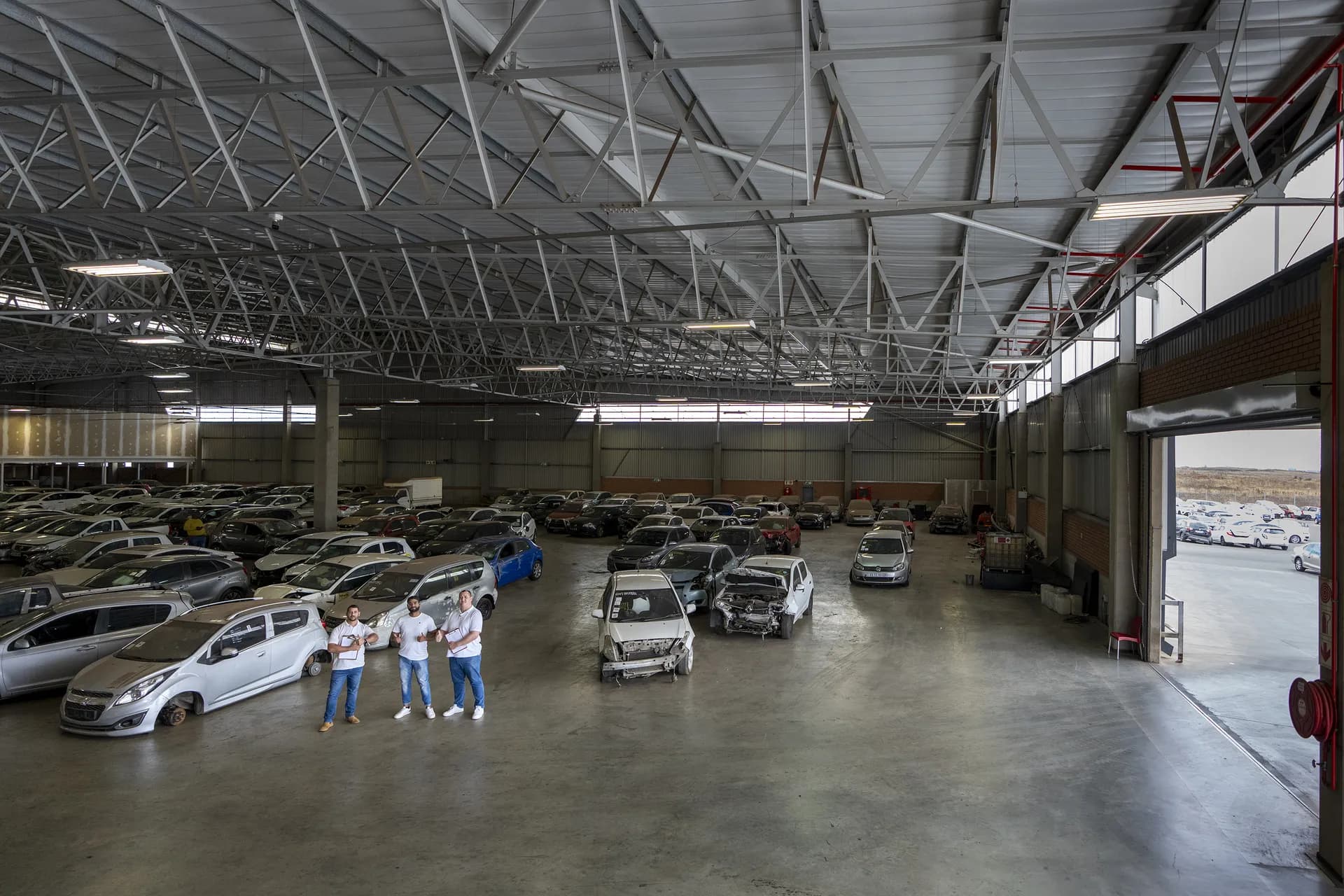
Overview
When a fleet vehicle is accident-damaged, written off, or non-running, many fleet managers consider damaged-vehicle auctions. Auctions can work, but they also carry fees, uncertain returns and logistics headaches. This guide examines practical alternatives available in South Africa - direct bulk sales to specialist buyers, salvage buyers, targeted trade sales, parts-only disposal and services that handle towing and paperwork - so you can choose the option that best fits your commercial, compliance and timing needs. The primary keyword for this article is damaged fleet auction alternatives south africa and is used throughout to help you find relevant options and make comparisons.
Who this is for
This resource is aimed at South African fleet owners, rental companies, SME fleet operators and fleet procurement teams in cities such as Johannesburg, Cape Town and Durban, plus surrounding regions. It covers commercial concerns (recovering value, reducing holding costs) and operational needs (free towing, paperwork, deregistration and rapid disposal).
Key considerations before you choose
- Time to convert vehicles to cash - immediate sale vs auction timelines.
- Logistics and collection costs (towing in metros and remote areas).
- Administrative burden: transfer of ownership, deregistration, lien/finance checks.
- Compliance with salvage regulations and record-keeping for corporate audits.
- Net proceeds vs costs: auction fees, transport, refurbishment, parts removal.
Repair cost vs value retained (example estimates)
| Scenario | Estimated repair cost (R) | Likely retained resale value (R) | Recommended action |
|---|---|---|---|
| Minor front-end damage | R10,000 - R30,000 | R50,000 - R120,000 | Repair if operational; otherwise direct sale to specialist buyer |
| Major structural/written-off | R40,000 - R150,000+ | R10,000 - R60,000 | Sell for salvage or to specialist buyer; avoid auction fees |
| Non-running mechanical failure | R20,000 - R100,000 | R5,000 - R80,000 | Consider parts sale or specialist buyer with towing included |
Note: Figures above are illustrative estimates for South African market conditions and depend on make, model, age and regional salvage demand. All currency examples use R and are approximate.
When to sell vs repair (fleet decision guide)
Deciding whether to repair or sell a damaged fleet vehicle requires comparing repair cost, downtime, insurance implications and expected resale value. For fleets, downtime and administrative overhead often make disposal preferable when repair costs exceed a meaningful percentage of market value or when repair time disrupts operations.
Practical thresholds
- If repair cost is greater than 40-60% of pre-accident market value, consider disposal options beyond repair.
- For vehicles with repeated mechanical failures or high mileage, parts sale or salvage may yield more net recovery.
- When the vehicle is under finance, check the finance creditor's requirements - sale to an approved buyer may be necessary to clear a lien.
Next section compares specific alternatives to damaged fleet auctions and explains the operational steps involved with each. If you need advice on selling non-running units quickly, see how to sell non-running fleet vehicles fast.
Alternatives to Damaged Fleet Auctions
1. Direct sale to specialist buyers (bulk or single units)
Specialist buyers and companies that purchase damaged vehicles (including written-off and non-running cars) offer direct, often faster sales with predictable collection. For fleets, selling multiple units in a single transaction reduces administrative overhead and can yield better net proceeds when collection and paperwork are included.
2. Trade sale to salvage yards or dismantlers
If vehicles are beyond economical repair, selling to a salvage yard or dismantler for parts is an option. This can be profitable for higher-demand makes and models, but requires accurate vehicle identification and often benefits from consolidated deliveries to reduce transport costs.
3. Parts-only disposal (strip and sell components)
For fleets with in-house workshops, stripping high-value components (engines, gearboxes, ECUs) and selling them individually can yield more than whole-vehicle sale, but this approach has labour, storage and compliance costs and suits larger fleets with workshop capacity.
4. Specialist vehicle-buying services with towing and paperwork included
Some buyers offer a complete service: online valuation, bulk offers, free towing nationwide, handling deregistration and settlement of paperwork. For fleet contracts, this reduces touchpoints, speeds up cash conversion and simplifies compliance. When comparing providers, check whether finance settlements, deregistration and certified receipts are included in writing.
5. Targeted trade sales (dealerships or rebuilders)
Selling to dealerships that refurbish certain models can be an alternative when vehicles are repairable at scale. This often involves trade pricing but can be quicker than auctions and avoids auction commissions and uncertainty.
Damage types vs typical offer impact
| Damage Type | Typical impact on offers | Best alternative |
|---|---|---|
| Cosmetic damage | Low impact if vehicle runs | Private trade sale or repair then sell |
| Structural/frame damage | Significantly reduced offers | Salvage buyer or specialist purchaser |
| Flood or fire damage | Major reduction; parts value may remain | Parts sale or salvage yard |
| Non-running mechanical | Lower offers; towing required | Specialist buyer with included towing |
How the process works for fleet disposals
A streamlined disposal process reduces downtime and paperwork. Typical steps when using a specialist buyer or resale partner are:
- Submit fleet details and photos (make, model, VIN, damage summary) - bulk upload options can save time.
- Receive consolidated offer for multiple units - reviews may be conditional on inspection.
- Agree collection schedule - ensure provider offers nationwide towing, including Johannesburg, Cape Town and Durban regions.
- Complete paperwork - ask for documented deregistration or transfer confirmation and finance settlement receipts where applicable.
- Payment and record retention - confirm payment terms and obtain compliant receipts for audit trails.
Legal & paperwork considerations in South Africa
Ensure buyers provide clear documentation: proof of payment, a signed transfer or written cancellation where required, and an indication of who will handle deregistration with the licensing authority. If vehicles are under finance, contact the creditor first - proceeds often need to clear the outstanding balance. For corporate fleets, maintain detailed disposal records for VAT, tax and audit purposes.
Practical tips to maximise your offer
- Consolidate multiple units into a single sale to improve negotiating leverage.
- Provide clear photos and accurate VIN/mileage details to reduce conditional adjustments.
- Compare offers from at least two specialist buyers and consider included services (towing, paperwork).
- Factor removal and storage costs into the net recovery calculation - quick collection reduces fees.
What happens after collection
After collection, the buyer should provide written confirmation of receipt, payment record and details of any intended deregistration or salvage processing. For fleets, ensure internal asset registers are updated and that VAT/tax teams receive disposal documentation. If vehicles were insured, reconcile insurer recoveries with sale proceeds and provide the insurer with the documentation they require.
Final considerations
For many South African fleets, auction alternatives that combine predictable offers, included towing, and paperwork handling deliver the best balance of speed, compliance and net recovery. Evaluate providers on transparency, documented processes (including deregistration and finance settlement), and the ability to collect nationwide - especially in Johannesburg, Cape Town and Durban corridors.
Sources
- Road Traffic Management / Department resources (South Africa) - licensing & deregistration guidance
- Financial institution guidance on vehicle finance settlements (example: Nedbank vehicle finance)
- NAAMTA / Industry bodies on vehicle salvage practices in South Africa
- Sell Damaged Cars - Sell Your Damaged Car service details
- Sell Non-Running Car - Sell Your Damaged Car process
- About Us - how the online valuation and collection process works
Seasoned automotive specialists dedicated to helping you turn your damaged or non-running vehicle into cash fast and hassle-free.
Disclaimer: This content is for educational purposes only. Product availability, pricing, and specifications are subject to change. Always verify current details on the retailer's website before making a purchase. We may earn affiliate commissions from qualifying purchases.
Why sell your damaged car to us?

A Division of Auction Nation, the leading expert in selling damaged cars

Best price for your damaged car

Get a cash offer within 24h

We buy damaged cars in any condition

We buy accident- damaged cars still under finance

Free, no obligation offer on your vehicle
How We Calculate Your Damaged Car’s Value
Wondering how we calculate your car’s value? At Sell Your Damaged Car, we look at: Your car’s real condition, its salvage value, and the current market demand. It’s all about honesty, transparency, and fairness — that’s how we determine your offer.
Frequently Asked Questions
Get answers to common questions about Comparison And Alternatives
Why Choose Sell Your Damaged Car?
Free Towing
Need a tow? We got you
Hassle Free
Get a cash offer within 24h!
Nationwide
Somewhere remote? No problem!
