
Best Practices for De-Fleeting in South Africa - A Practical Guide
Learn practical, South Africa-specific best practices for de-fleeting: valuation, channels, legal steps, towing logistics and tips to convert retired fleet vehicles into cash efficiently.
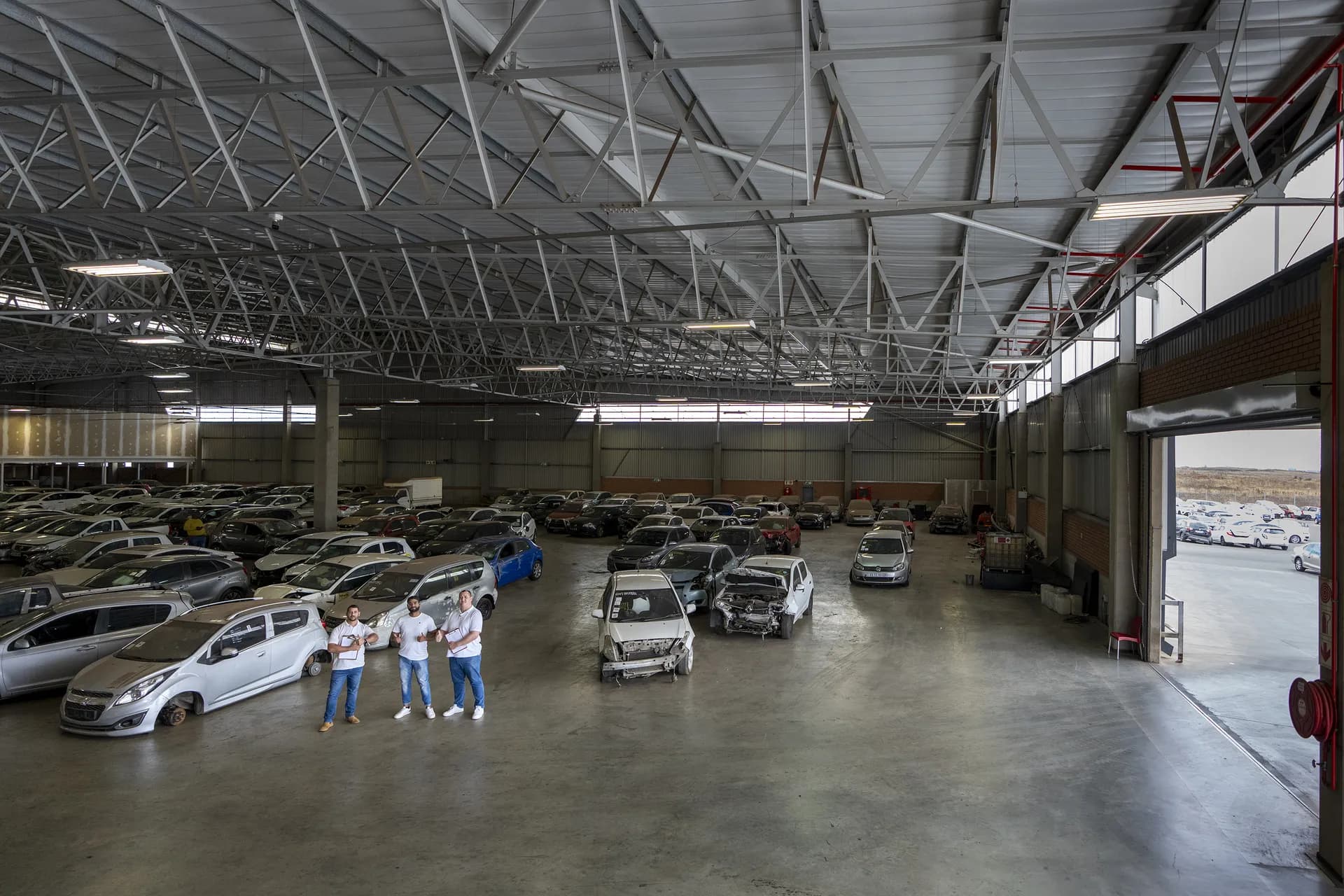
Overview: What de-fleeting means in South Africa
De-fleeting is the controlled process of removing vehicles from a commercial fleet - whether for replacement, end-of-life, accident damage, or cost reduction. For fleet managers and small-business owners in Johannesburg, Cape Town, Durban and beyond, effective de-fleeting reduces holding costs, improves cash flow and limits administrative risk. This guide outlines best practices for de-fleeting in South Africa, covering timing, valuation, legal steps, sale channels and operational tips specific to the local market.
When to de-fleet vs keep a vehicle
Deciding whether to de-fleet a vehicle depends on maintenance cost, downtime impact, safety and resale value. Typical triggers include recurring expensive repairs, persistent reliability issues, vehicles written off after accident, or strategic fleet renewal. In South Africa, factor in local repair costs, available resale channels, and projected residual value expressed in R (rand). For example, if annual repair and holding costs approach or exceed the expected trade sale proceeds plus redeployment costs, de-fleeting is likely the better option.
De-fleeting checklist (quick)
- Record vehicle details: make, model, year, VIN, mileage and full service history.
- Document current condition with dated photos and notes on damage or mechanical faults.
- Check finance status and outstanding balances.
- Decide preferred sale channel: trade, auction, part-out, or specialist buyers for damaged/non-running units.
- Plan for deregistration, transfer of ownership and secure removal from fleet insurance.
Repair cost vs value retained
| Scenario | Typical action | Value impact (estimate) |
|---|---|---|
| Minor mechanical repair (R3,000-R8,000) | Repair and retail or trade sale | +5%-15% final sale price vs as-is |
| Major engine/transmission (R20,000+) | Consider selling as-is to specialist buyer or part-out | Often negative ROI if repaired |
| Accident-written-off | Offer to salvage/repair specialists or auction by insurer | Variable - depends on salvage demand |
Pro tip: For older or non-running fleet cars, selling to a specialist that buys vehicles in any condition avoids towing logistics and can speed up de-fleeting. Many services offer free towing and admin support across South Africa.
Damage types vs typical offer impact
| Damage Type | Typical market impact |
|---|---|
| Minor bodywork/scratches | Small reduction; repair may add value |
| Structural/frame damage | Significant discount; often sold for salvage |
| Mechanical failure (non-running) | Lower offers; specialist buyers or part-out options |
| Flood or fire damage | Major reduction; insurance and salvage routes common |
Choosing the right sales channel
Common channels include trade-ins, dealer auctions, online marketplaces, specialist salvage buyers and direct-to-cash services. For damaged, non-running or written-off fleet units, specialist buyers and salvage channels are often faster and reduce administrative burden. Compare lead time, fees, towing arrangements and whether the buyer assists with deregistration and transfer of ownership in South Africa.
When to engage specialist buyers
Engage specialist buyers when vehicles are non-running, accident-damaged, or when the fleet has many low-value units where repair would not be economical. These buyers commonly offer free towing, handle paperwork and pay quickly - important for de-fleeting large batches to free up yard space and reduce insurance costs.
How to present fleet vehicles for valuation
- Provide full service history and recent inspection reports.
- Photograph each vehicle: front, rear, both sides, interior, odometer and any damage.
- List outstanding finance or previous accident history upfront.
- Group by condition: ready-to-sell, needs minor repair, salvage/non-running.
How the de-fleeting process works step-by-step
A repeatable process reduces delays and keeps governance tidy. Below is a practical flow for South African fleets:
- Inventory & condition audit: Centralise records, photos and service history for each unit.
- Valuation & channel selection: Get multiple valuations - dealer trade, auctions, and specialist buyers for damaged units.
- Clear finance and compliance: Resolve outstanding finance or notify lenders; prepare transfer documents and deregistration items.
- Sale execution: Accept offers, schedule collections (many specialists provide free nationwide towing) and finalise transfer paperwork.
- Payment & records update: Ensure payment is verified and update fleet registers, insurance and tax records.
Legal & paperwork considerations in South Africa
Key legal tasks include ensuring clear title, settling any finance, completing the notification of change of ownership and deregistration where applicable, and cancelling or transferring insurance. For fleet disposals, maintain an audit trail that records offers, acceptance, identity verification of buyers, and payment receipts. If vehicles are written off by an insurer, follow insurer-directed steps; salvage sales may involve insurer-approved auctions.
Tips to maximise return when de-fleeting
- Batch similar-condition vehicles together to reduce collection costs and attract trade buyers.
- Sell routine-maintained vehicles through dealer trade or online listings to reach retail buyers.
- For non-running or damaged units, obtain quotes from specialist buyers who handle towing and paperwork.
- Be transparent about history - accurate descriptions reduce disputes and speed transactions.
- Consider timing: demand and market prices vary seasonally; aligning disposals with stronger demand can improve proceeds.
What happens after collection
After collection, ensure the buyer provides a signed transfer receipt and confirmation of deregistration or transfer initiation. Verify that payment has cleared and that fleet registers and insurance policies are updated to remove the vehicle. Retain copies of all documents for compliance and tax purposes.
Practical South Africa examples
Example 1: A Johannesburg courier fleet replaces 20 light vehicles. By grouping 8 non-running older units and selling them to a specialist buyer who offered free towing and handled deregistration, the operator reduced yard congestion and avoided R15,000-R30,000 per unit in holding and repair exposure (estimates in R). Example 2: A Cape Town trades business sold 12 well-maintained vans via dealer trade and used proceeds toward new leases, reducing admin time and ensuring VAT and records were correctly handled.
Sources
- South African Revenue Service (SARS) - Business and vehicle tax guidance
- Road Traffic Management Corporation / RTMC - vehicle registration and transfer information
- South African Government - vehicle licensing and deregistration resources
- Sell Non-Running Car - Sell Your Damaged Car
- Sell Damaged Cars - Sell Your Damaged Car
- How to Avoid Being Scammed - Sell Your Damaged Car
Seasoned automotive specialists dedicated to helping you turn your damaged or non-running vehicle into cash fast and hassle-free.
Disclaimer: This content is for educational purposes only. Product availability, pricing, and specifications are subject to change. Always verify current details on the retailer's website before making a purchase. We may earn affiliate commissions from qualifying purchases.
Why sell your damaged car to us?

A Division of Auction Nation, the leading expert in selling damaged cars

Best price for your damaged car

Get a cash offer within 24h

We buy damaged cars in any condition

We buy accident- damaged cars still under finance

Free, no obligation offer on your vehicle
How We Calculate Your Damaged Car’s Value
Wondering how we calculate your car’s value? At Sell Your Damaged Car, we look at: Your car’s real condition, its salvage value, and the current market demand. It’s all about honesty, transparency, and fairness — that’s how we determine your offer.
Frequently Asked Questions
Get answers to common questions about Tips And Advice
Why Choose Sell Your Damaged Car?
Free Towing
Need a tow? We got you
Hassle Free
Get a cash offer within 24h!
Nationwide
Somewhere remote? No problem!
