
Avoiding Scams in Vehicle Sales: South Africa's Practical Guide for Sellers
Protect yourself from fraud when selling vehicles in South Africa. Learn the scams, legal steps, and why specialist buyers like Sell Your Damaged Car offer safer alternatives.
Overview: The Risks of Selling a Vehicle Privately in South Africa
Selling a car privately in South Africa can unlock value for owners of accident-damaged, non-running, or written-off vehicles. However, it also exposes you to significant risks such as payment fraud, identity theft, and false buyers. Understanding these pitfalls is vital whether you're a private seller or managing a small business fleet. Many scams target individuals seeking a quick sale, and buyers often exploit gaps in paperwork or deregistration procedures.
The Most Common Vehicle Sale Scams in South Africa
- Payment reversals after signed transfer
- Fake proof-of-payment (POP) slips sent by fraudulent buyers
- Test drives leading to "joyriding" theft with forged IDs or driver's licences
- "Overpayment" scams requesting refunds after the 'buyer' pays a sum greater than the selling price
- Phishing attacks claiming escrow or third-party services
When to Consider Extra Caution: Damage, Write-Off and Salvage Sales
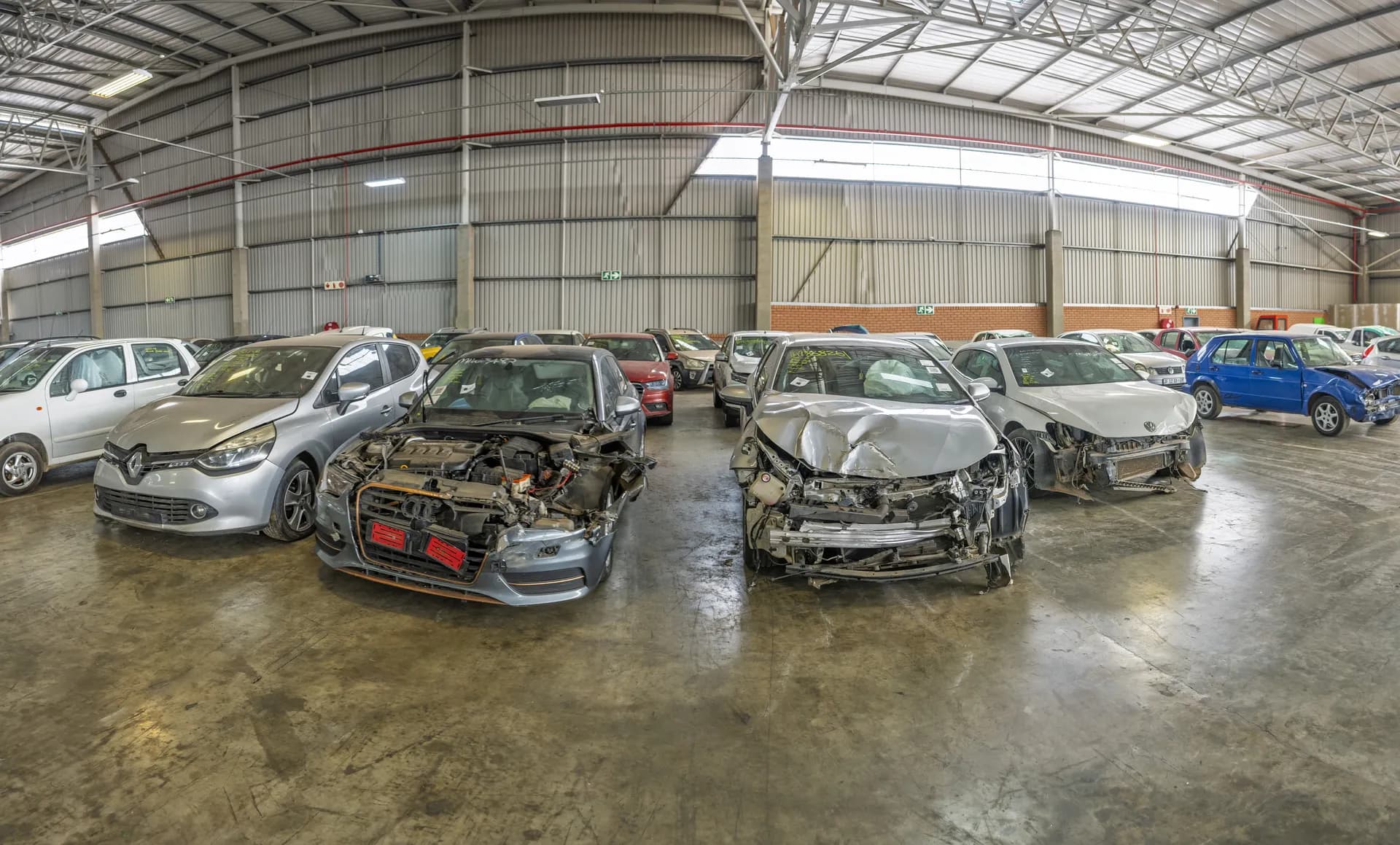
Selling a vehicle with substantial damage, insurance write-offs, or non-running status often attracts unscrupulous buyers promising fast cash or pressuring a rushed handover. Sellers in Johannesburg, Cape Town, Durban and other busy markets should be particularly alert:
- Offers that sound disproportionately high for a damaged car
- Buyers who refuse a transfer at the traffic department
- Requests for copies of ID, licence disc or registration before payment is secured
Table: Common Car Sale Scam Types and Warning Signs
| Scam Type | Red Flags | What To Do |
|---|---|---|
| Fake Proof of Payment | POP sent outside banking hours, no SMS from your bank | Verify funds are cleared before releasing car/papers |
| Test Drive Theft | Buyer wants to go alone, fake ID provided | Always accompany, verify identity, keep keys until return |
| Overpayment | Buyer sends excess, asks for refund | Never refund until funds are irrevocably cleared |
How to Protect Yourself: Practical Steps for South African Vehicle Owners
- Meet in public or secure locations-preferably at a police station or motor vehicle licensing office
- Never hand over the keys or car until payment has fully cleared in your account (including weekends or public holidays)
- Only accept secure transfer methods (electronic transfer, immediate payment) that are verifiable
- Check the buyer's ID, proof of address, and authenticity using official databases
- Demand official change-of-ownership (NCO) signatures at the licensing department, and keep copies for your records
South African Legal Requirements & Deregistration
South African law requires proper transfer of ownership through the National Traffic Information System (NaTIS). Failure to deregister leaves you liable for fines, e-toll, or even criminal activity involving your former vehicle. Use these checkpoints:
- Get NaTIS forms (yellow/pink) and record signatures from both parties
- Deregister the vehicle as "sold" or "scrapped" at your local registering authority
- Keep all documents, ID copies, and communication for your protection
Quick Comparison: Private Sale vs. Expert Car-Buying Service
| Aspect | Private Sale | Specialist Service (e.g. Sell Your Damaged Car) |
|---|---|---|
| Risk of Scams | High | Low |
| Payment Speed | Variable, sometimes delayed | Fast, typically same day |
| Paperwork & Deregistration | Often handled by seller, risk of errors | Managed by specialist buyer |
Real-World Scenario: A Johannesburg Seller's Experience
Nadine tried to sell her hail-damaged sedan privately. She received several offers from 'buyers' who insisted on immediate handover before the bank cleared funds. Remember: Always insist on signed change-of-ownership forms at the licensing office, and use regulated payment channels. Nadine ultimately used a reputable car-buying service-avoiding fraud and ensuring smooth admin support, prompt payout, and a clear audit trail.
Key Takeaways for South African Sellers
- Never share sensitive documents with unknown buyers
- Use deregistration procedures as your safety net
- Choose a regulated buyer when selling high-risk or severely damaged cars
Sources
Seasoned automotive specialists dedicated to helping you turn your damaged or non-running vehicle into cash fast and hassle-free.
Disclaimer: This content is for educational purposes only. Product availability, pricing, and specifications are subject to change. Always verify current details on the retailer's website before making a purchase. We may earn affiliate commissions from qualifying purchases.
Why sell your damaged car to us?

A Division of Auction Nation, the leading expert in selling damaged cars

Best price for your damaged car

Get a cash offer within 24h

We buy damaged cars in any condition

We buy accident- damaged cars still under finance

Free, no obligation offer on your vehicle
How We Calculate Your Damaged Car’s Value
Wondering how we calculate your car’s value? At Sell Your Damaged Car, we look at: Your car’s real condition, its salvage value, and the current market demand. It’s all about honesty, transparency, and fairness — that’s how we determine your offer.
Frequently Asked Questions
Get answers to common questions about Tips And Advice
Why Choose Sell Your Damaged Car?
Free Towing
Need a tow? We got you
Hassle Free
Get a cash offer within 24h!
Nationwide
Somewhere remote? No problem!
