
Write-Off Process for Scrap Vehicles in South Africa - What Owners Need to Know
Understand the write-off process for scrap vehicles in South Africa: when to sell vs repair, legal paperwork, valuation factors and practical tips to get a competitive cash outcome.
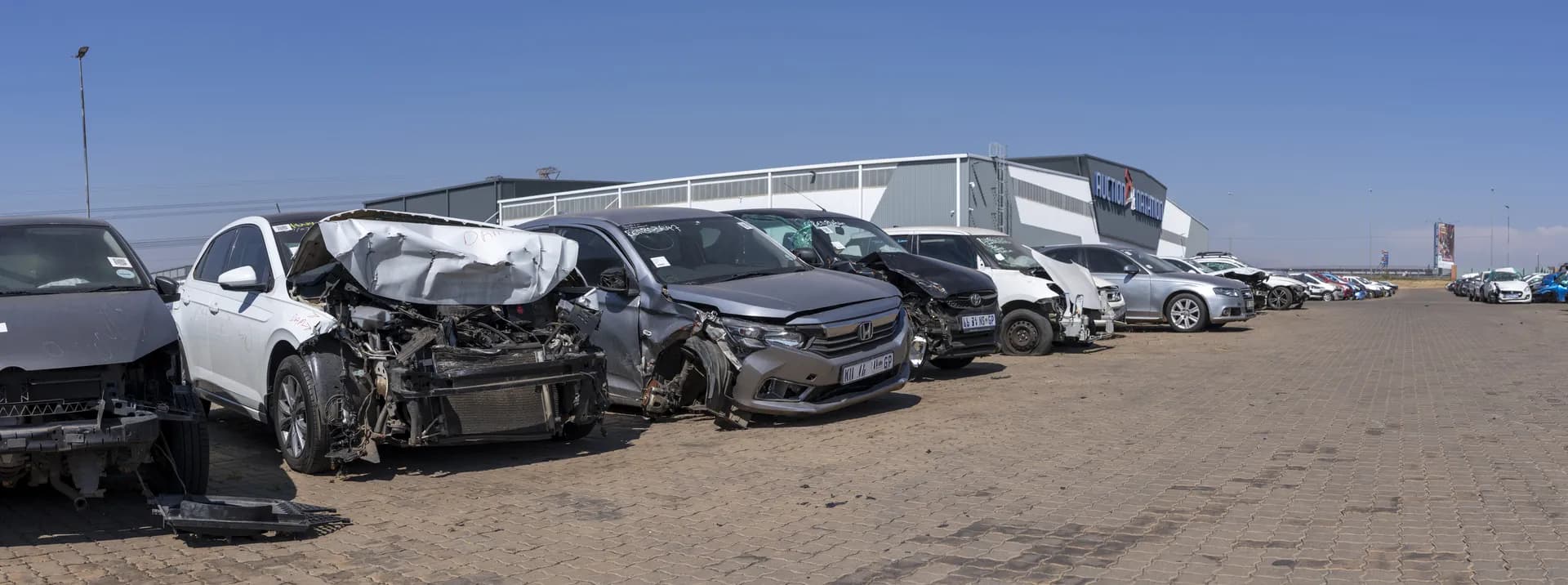
What a Write-Off Means
Repair uneconomical or unsafe; offers reflect salvageable parts and condition.
Key Paperwork to Prepare
Logbook, proof of sale, finance settlements and ID speed transfer.
Maximise Your Offer
Provide clear photos, declare history and confirm finance status early.
Overview: What a write-off means for scrap vehicles in South Africa
The write-off process for scrap vehicles in South Africa determines how an accident-damaged, fire-damaged, flood-affected or mechanically totalled vehicle is classified, deregistered and moved through the salvage market. A write-off typically means insurers, assessors or the vehicle owner decide that repair is uneconomical or unsafe. For owners considering disposal, understanding the write-off classification, required paperwork and realistic timelines reduces delays and helps secure a competitive cash outcome.
This guide covers when to sell vs repair, how valuations and salvage offers work, the legal and administrative steps in South Africa, and practical tips to maximise offers. If you want a straightforward sale process for a damaged car, our online service provides instant valuation and handles towing and paperwork - see our homepage for how the system works.
When a vehicle becomes a write-off: common triggers
- Extensive structural or frame damage that affects safety
- Repair costs exceed a large percentage of market value (varies by insurer)
- Severe water (flood) or fire damage causing pervasive electrical/mechanical failure
- Stolen vehicles recovered with major damage or missing essential components
When to sell vs repair
Deciding whether to repair or sell as scrap depends on repair estimates, current vehicle market value, safety implications and the time you can afford to wait. If repair estimates approach or exceed 50-70% of the vehicle’s pre-accident market value (estimates vary by insurer and model), many owners consider selling to the salvage market instead of investing time and money into repairs.
| Repair cost vs value retained (South Africa examples) | Typical implication |
|---|---|
| Repair cost < 30% of market value | Repair often sensible if structurally safe and parts available |
| Repair cost 30-60% of market value | Consider repair vs sell - check insurance and residual value |
| Repair cost > 60% of market value | Often more practical to sell for salvage or scrap |
Example: For a vehicle with a market value of R100,000, repair estimates above R60,000 commonly push owners to consider write-off options. Actual thresholds depend on insurer policy and vehicle condition; always verify with a written estimate.
How the write-off valuation and offer process works
Valuation for a write-off combines market comparables, salvage demand for parts, structural condition and transport costs. Salvage buyers (including specialist buyers who handle non-running cars) calculate a competitive cash offer by estimating recoverable parts value and likely resale or scrap metal proceeds.
If you prefer a quick route, using a specialist service streamlines inspection, towing and paperwork; compare options and confirm inclusions like free towing and deregistration handling. Learn more about selling damaged vehicles and the specific services offered on our Sell Damaged Cars page.
Quick note: Insurer write-off notation and the commercial salvage sale are distinct. Even if an insurer declares a vehicle a write-off for claim settlement, you can still sell the vehicle privately or to a salvage buyer - ownership and paperwork transfer remain important.
How the write-off process works step-by-step
1. Damage assessment: An assessor (insurer or independent) inspects the vehicle and issues a repair estimate and/or write-off recommendation. 2. Ownership decision: If you retain the vehicle, you may arrange repairs; if not, you can sell to a salvage buyer or scrap dealer. 3. Paperwork and transfer: Transfer of ownership, settlement of any outstanding finance and deregistration steps follow. 4. Collection and payment: Salvage buyers typically collect the vehicle and pay once paperwork is confirmed.
Legal & paperwork requirements in South Africa
Key administrative steps for a written-off or scrap vehicle include clearing any encumbrances (finance), obtaining a valid correspondence address, completing the necessary transfer forms and, where required, deregistering the vehicle with the relevant traffic authority. If the vehicle is under finance, lenders must be informed and their settlement instructions followed before a transfer can proceed.
| Document | Why it matters |
|---|---|
| Vehicle registration certificate (logbook) | Proves ownership for transfer and deregistration |
| Signed proof of sale/foreign sale agreement | Required to transfer ownership to buyer or scrap agent |
| Settlement letter from finance company (if applicable) | Shows encumbrance cleared before transfer |
Special note on deregistration: many buyers (including specialist services) will assist with or fully handle deregistration with the traffic authorities. If you want assistance through the entire process, our Sell Non-Running Car page explains how collection, paperwork and deregistration support typically work.
Damage types vs typical offer impact
| Damage type | Typical effect on offers |
|---|---|
| Minor cosmetic damage | Small reduction; parts resale good |
| Structural/frame damage | Significant reduction; potential write-off |
| Flood or water damage | Large reduction due to electrical and corrosion risk |
| Fire damage | Major reduction; many components unusable |
Tips to maximise your salvage offer
- Provide clear photos showing VIN/chassis plate and damage from multiple angles.
- Disclose accurate history (insurance claims, prior repairs, flood exposure).
- Include service records where available - buyers value documented maintenance.
- Clarify finance status up front so offers are unconditional and collectable quickly.
If you’d like a transparent, no-surprise offer and help with national collection and admin, our How it works page outlines the steps for upload, offer, collection and payment.
What happens after collection
After the buyer collects the vehicle, they typically complete transfer forms, arrange deregistration if needed, and process payment to the seller. If the vehicle is headed for part-out or scrap, buyers will log parts, advertise usable items and recycle the remainder. Payment timelines vary but reputable buyers release funds quickly after confirming documents and ownership transfer.
SA scenarios and practical examples
Example scenario: Johannesburg suburban owner with a R120,000 pre-accident car receives a repair estimate of R80,000. Given structural assessment and repair timeline, selling to a salvage buyer who handles towing and deregistration can be faster and lower risk than arranging repairs. For owners in Cape Town or Durban, nationwide services remove the need to arrange costly transport.
Sources
Seasoned automotive specialists dedicated to helping you turn your damaged or non-running vehicle into cash fast and hassle-free.
Disclaimer: This content is for educational purposes only. Product availability, pricing, and specifications are subject to change. Always verify current details on the retailer's website before making a purchase. We may earn affiliate commissions from qualifying purchases.
Why sell your damaged car to us?

A Division of Auction Nation, the leading expert in selling damaged cars

Best price for your damaged car

Get a cash offer within 24h

We buy damaged cars in any condition

We buy accident- damaged cars still under finance

Free, no obligation offer on your vehicle
How We Calculate Your Damaged Car’s Value
Wondering how we calculate your car’s value? At Sell Your Damaged Car, we look at: Your car’s real condition, its salvage value, and the current market demand. It’s all about honesty, transparency, and fairness — that’s how we determine your offer.
Frequently Asked Questions
Get answers to common questions about Legal And Paperwork
Why Choose Sell Your Damaged Car?
Free Towing
Need a tow? We got you
Hassle Free
Get a cash offer within 24h!
Nationwide
Somewhere remote? No problem!
