
Why Repair Shops Buy Damaged Cars for Spares - How the Market Works
Learn why garages and dismantlers buy damaged cars for spares, how offers are calculated in South Africa, and tips to maximise your value.
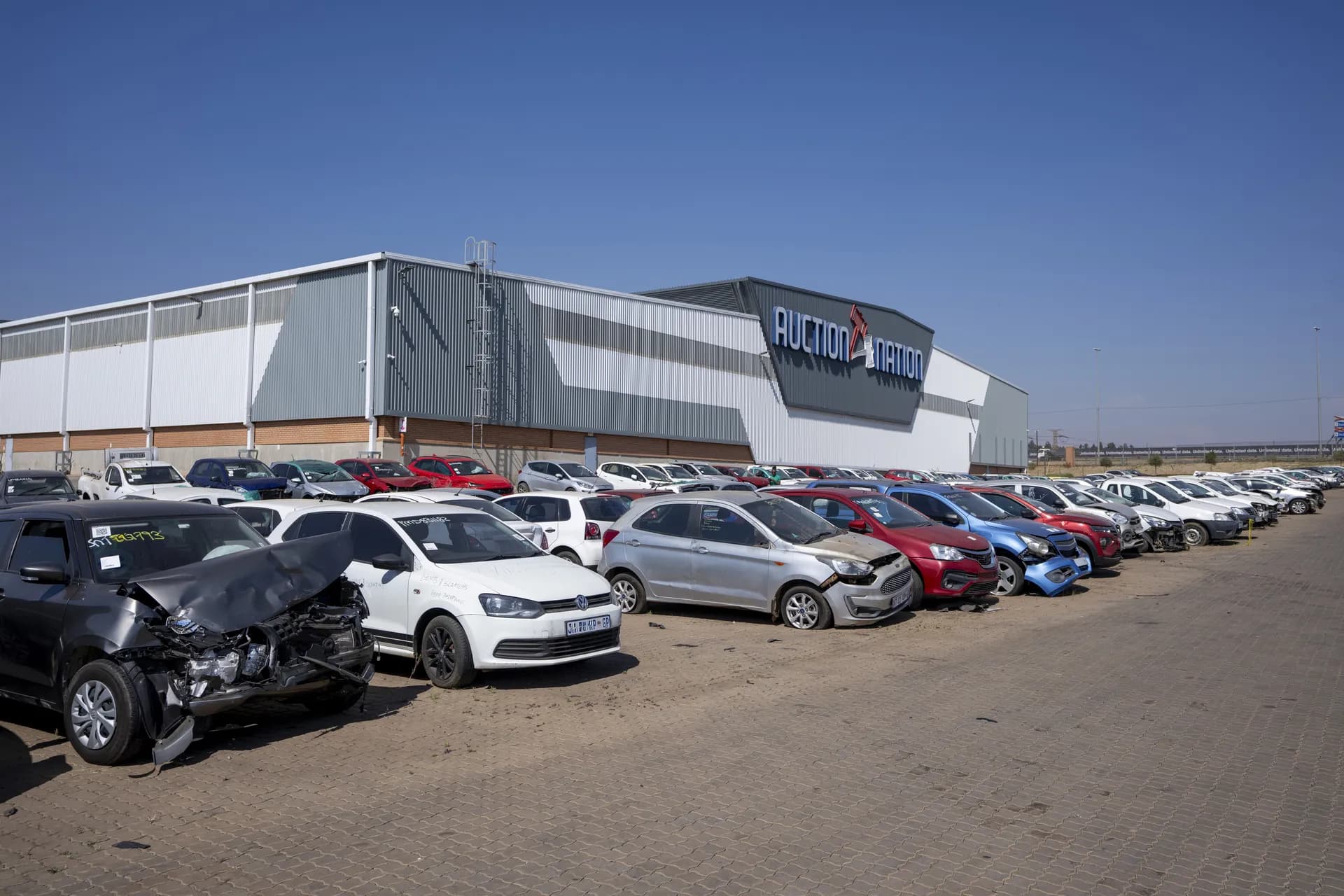
Why Buyers Want Spares
Shops source intact engines, gearboxes and trim to reduce repair costs.
Sell vs Repair Decision
Compare repair cost to market value and parts demand before repairing.
Paperwork & Collection
Confirm deregistration, finance status and who arranges towing.
Overview: why repair shops buy damaged cars for spares
Repair shops, panelbeaters and wrecking yards routinely purchase accident-damaged, flood-affected or non-running vehicles to dismantle for usable parts. For many workshops in South Africa this is a routine way to source reliable components, offset repair costs and meet customer demand for affordable parts. Understanding this market helps owners decide whether to repair, sell whole, or recycle a damaged vehicle.
Repairers look for vehicles with intact high-value assemblies (engines, gearboxes, ECUs, doors, glass, airbags not deployed, trim) that can be inspected, tested and resold. The secondary market for spares is active across metros - Cape Town, Johannesburg and Durban - and supports both independent mechanics and small dealer networks.
Who buys and why it matters to you
- Independent repair shops that need cost-effective replacements.
- Specialist dismantlers/wreckers that manage resale and recycling.
- Insurance repairers who source parts to reduce repair turnaround and costs.
For South African owners, selling a damaged car for spares can be simpler than arranging a private sale or paying for repairs that exceed the vehicle's value. When considering options, compare expected repair costs, the likely resale value after repair and whether a dismantler or buyer will arrange collection and paperwork.
When to sell to a repair shop vs repair yourself
Deciding whether to sell your vehicle to a buyer who will strip it for spares depends on several practical factors: repair estimate, remaining vehicle value, availability of parts, and time. Owners of older, high-mileage or extensively damaged cars often recover more value by selling for spares rather than investing in repairs.
| Repair cost vs value retained (example ranges in South Africa) | Typical outcome |
|---|---|
| Repair estimate < 25% of current market value | Repair often makes sense; vehicle retains majority of value. |
| Repair estimate 25%-60% of market value | Evaluate resale demand and parts availability; selling for spares may be competitive. |
| Repair estimate > 60% of market value | Selling for spares or to a dismantler is often the simpler, lower-risk option. |
These ranges are illustrative; actual figures vary by make, model and local demand. When in doubt, get both a repair estimate and a dismantler's offer. For background on selling non-running vehicles, see this resource on our site: Sell Non-Running Car.
How the spare-parts market affects offers
Repair shops price offers based on the likely resale value of parts, the ease of extraction, testing costs and local demand. Popular models and components (e.g., engines, transmissions, infotainment units) command stronger prices. Conversely, heavily damaged structural items, deployed airbags or flooded electronics reduce yield significantly.
| Damage type | Typical offer impact |
|---|---|
| Minor panel damage (non-structural) | Low impact - many parts reusable. |
| Engine or gearbox intact | Significantly increases offer. |
| Flood-damaged electrical systems | Major negative impact - many parts unusable. |
| Severe structural/frame damage | Lower offer; salvage largely for a few serviceable components. |
If you want to understand how the buying process typically works for damaged vehicles, our company describes the step-by-step process on the About page: About / How it works.
How the process works when a repair shop buys a car for spares
Typical steps a repairer or dismantler follows: inspect photos or the vehicle, verify serial numbers and mileage where possible, identify high-value parts, issue an offer, arrange collection or towing, test and strip components and then list parts for sale or reuse in repairs. Many buyers will collect a vehicle, which removes the transport burden for the owner.
Legal and paperwork considerations in South Africa
Selling a damaged vehicle involves basic transfer or disposal paperwork and sometimes deregistration. If the car is still financed, the lender's consent is usually required - outstanding finance must typically be settled before clear title can pass. Buyers who specialise in salvage often help with deregistration and provide a transfer receipt to protect both parties.
Owners should obtain a written sale agreement and keep proof of the buyer's identity. For vehicles classified as write-offs by insurers, a clear record of sale and any insurer-required forms can simplify future compliance. For guidance on selling damaged vehicles to buyers who collect, see our Sell Damaged Cars page: Sell Damaged Cars.
Quick note: Free towing and paperwork handling materially reduce hassle and risk for owners. Confirm who handles deregistration and any bank settlement before collection.
Tips to maximise your offer
- Provide clear photos of the engine bay, VIN/chassis plate and odometer.
- List recent service history and repairs - documented maintenance increases confidence.
- Be honest about flood or fire exposure; hidden issues can void offers later.
- If possible, remove personal items and supply keys and service books to improve value.
Repair shops value transparency and documentation. A well-documented vehicle with intact major components will usually attract stronger offers. If your car is non-running, consider a buyer who offers nationwide collection to avoid local towing costs; learn more about nationwide services on our homepage: Sell Your Damaged Car homepage.
What happens after collection
After the vehicle is collected, buyers typically confirm the condition, test serviceable components and begin dismantling. Usable parts are cleaned, tested where applicable, and listed for resale to repair workshops or private buyers. Items beyond reuse are routed to scrap or recycled, consistent with environmental and legal requirements.
For owners, a clear written receipt and confirmation of transfer protect against future liability. If the buyer handles deregistration, request documentation showing the vehicle has been recorded as deregistered or transferred in the appropriate system.
Practical South Africa examples
Example: a five-year-old hatchback with front-ended panel damage but an intact engine and gearbox will likely attract dismantler interest in Johannesburg where demand for affordable engines is high. Conversely, a flood-damaged sedan with electronic faults may have limited spares value, particularly after saltwater exposure.
These scenarios explain why repair shops buy damaged cars for spares: they ensure a steady supply of tested, lower-cost components that keep repair bills down and workshops operational.
Sources
Seasoned automotive specialists dedicated to helping you turn your damaged or non-running vehicle into cash fast and hassle-free.
Disclaimer: This content is for educational purposes only. Product availability, pricing, and specifications are subject to change. Always verify current details on the retailer's website before making a purchase. We may earn affiliate commissions from qualifying purchases.
Why sell your damaged car to us?

A Division of Auction Nation, the leading expert in selling damaged cars

Best price for your damaged car

Get a cash offer within 24h

We buy damaged cars in any condition

We buy accident- damaged cars still under finance

Free, no obligation offer on your vehicle
How We Calculate Your Damaged Car’s Value
Wondering how we calculate your car’s value? At Sell Your Damaged Car, we look at: Your car’s real condition, its salvage value, and the current market demand. It’s all about honesty, transparency, and fairness — that’s how we determine your offer.
Frequently Asked Questions
Get answers to common questions about Tips And Advice
Why Choose Sell Your Damaged Car?
Free Towing
Need a tow? We got you
Hassle Free
Get a cash offer within 24h!
Nationwide
Somewhere remote? No problem!
