
Why Damaged Cars Are in Demand in South Africa - Market Drivers Explained
Explore why damaged and non-running cars are sought after in South Africa: salvage parts demand, insurer activity, recycling and practical tips for sellers.
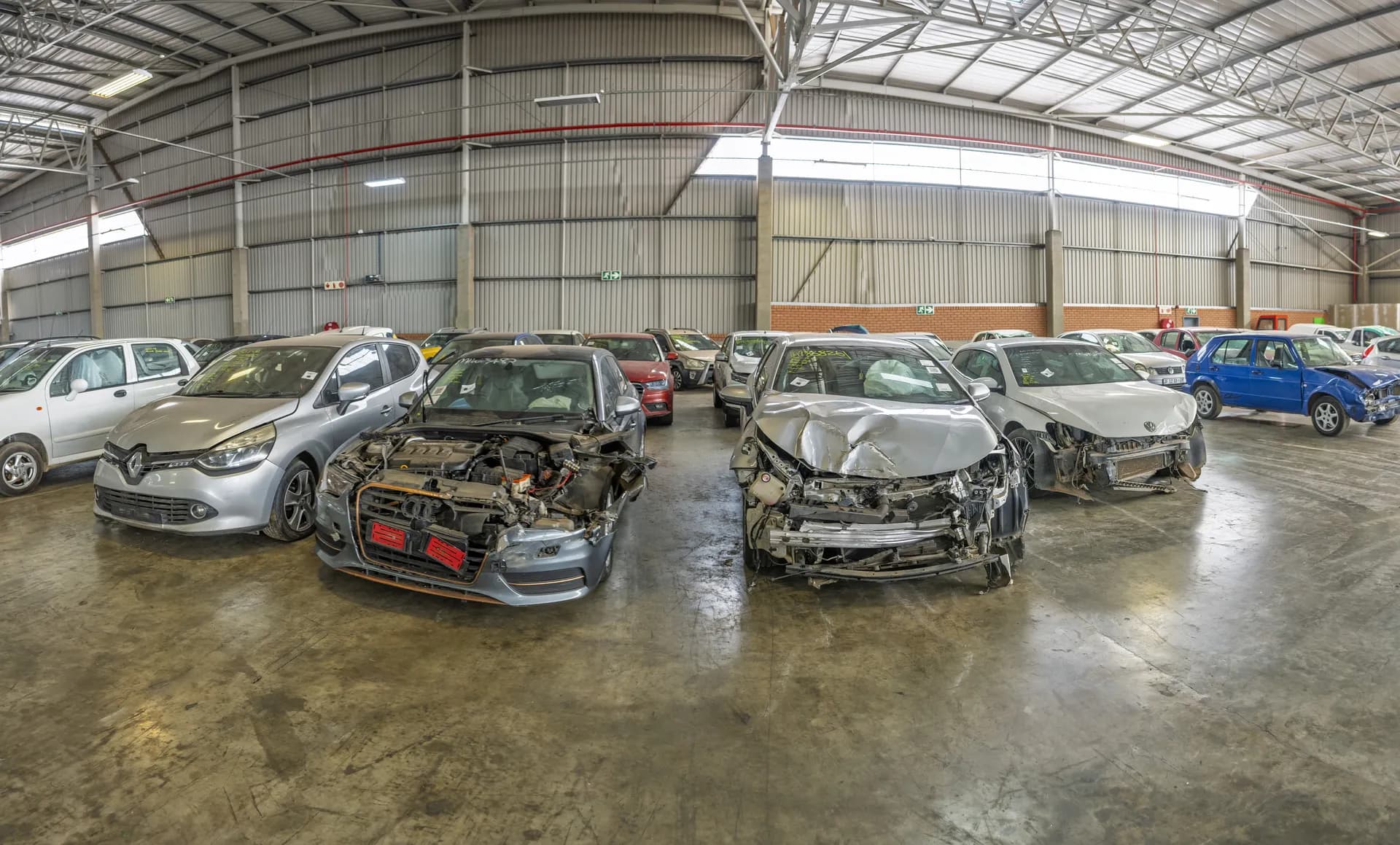
Why Demand Exists
Salvage buyers, workshops and recyclers create steady demand for damaged vehicles.
Sell vs Repair Guidance
Weigh repair costs against retained value and urgency before deciding.
SA-Specific Practicalities
Nationwide buyers manage towing, paperwork and finance settlements.
Overview: Why damaged cars are in demand in South Africa
There is a steady market for damaged, non-running and written-off vehicles across South Africa. Demand is driven by a combination of insurer activity, a busy aftermarket for used parts, scrap-metal recycling, small repairers and cross-border traders. Owners who ask why damaged cars are in demand South Africa-wide often find that the same factors that create supply - high accident rates, flood and mechanical failures - also create predictable, local demand for salvage, parts and repair candidates.
Key demand channels
- Insurance and salvage buyers who purchase written-off vehicles.
- Panel beaters, auto electricians and small workshops needing second-hand parts.
- Recyclers and scrap yards extracting metal and reusable components.
- Exporters and cross-border traders buying repairable vehicles for neighbouring markets.
South Africa context
High urban traffic volumes around Johannesburg, Cape Town and Durban, combined with increasing maintenance costs for older models, mean many owners opt to sell rather than repair. For private owners and small fleet operators the ability to convert a damaged vehicle into cash quickly reduces ongoing costs such as storage, security and additional mechanical deterioration.
| Repair cost (estimate) | Typical value retained afterwards (estimate) | When selling may be preferable |
|---|---|---|
| R5,000-R15,000 | ~70-90% of pre-damage market value | Minor cosmetic or panel repairs |
| R15,000-R50,000 | ~40-70% of pre-damage market value | Moderate structural or mechanical work |
| R50,000+ | <50% of pre-damage market value | Severe damage, flood or fire - selling often makes more sense |
Notes: figures above are illustrative South Africa estimates to show the relationship between repair cost and retained value; actual outcomes depend on make, model, year and the specific damage. For an individual valuation or to learn how we approach offers, see our About / How it works page which explains the assessment and collection process.
When to sell vs repair
Deciding whether to repair or sell depends on expected repair costs, the car's market value after repair, and how urgently you need to remove the vehicle from your balance sheet or fleet. Small, inexpensive repairs may be worthwhile, whereas structural, flood or fire damage often reduces a vehicle's post-repair market confidence and resale prospects.
Practical examples
- Private owner with a daily-driver in Johannesburg: a moderate front-end repair priced at R25,000 may still leave the car worth significantly less than before the accident - selling could be simpler and reduce downtime.
- Small fleet operator in Cape Town: multiple vehicles with similar low-level damage can tie up cash and workshop capacity; selling damaged units can reduce operating complexity and provide predictable cash for replacements.
Important: if the vehicle is under finance, you must disclose this and liaise with your lender before completing a sale; many buyers, including professional salvage buyers, can assist with the paperwork required to settle an outstanding loan.
If you want to compare selling a non-running vehicle versus repairing it, our detailed guidance on Sell Non-Running Car offers practical steps for non-starters and immobilised vehicles.
How the salvage and parts market works in South Africa
Buyers in the salvage market range from insurers and large recyclers to local panel beaters who need whole panels, motors, gearboxes and electrical components. Many small workshops prefer used parts because new OEM parts can be costly. That steady local demand helps explain why damaged cars retain market interest even if they are not roadworthy.
| Damage type | Typical impact on offers | Why buyers still pay |
|---|---|---|
| Minor panel/ cosmetic | Low impact | Parts easily resold or repaired affordably |
| Mechanical (engine/gearbox) | Medium impact | High demand for salvageable units and rebuilds |
| Flood-damaged | High impact | Some components still reusable; bulk buyers dismantle for parts |
| Fire-damaged | High impact | Metal and some salvageable parts attract recyclers |
Legal & paperwork considerations in South Africa
Selling a damaged vehicle in South Africa requires clear transfer of ownership and, where relevant, assistance with deregistration. Professional buyers commonly help with these steps to reduce friction for sellers. If the vehicle is registered with outstanding finance, the lender's consent or settlement is necessary before clear title can be transferred.
What to check before a sale
- Confirm whether the vehicle has an outstanding finance balance and notify the lender.
- Prepare the vehicle's registration document and service history if available.
- Collect clear photos and an honest description of the damage to speed up valuation.
If you want to understand how a professional buyer handles the admin and collection process, our Sell Damaged Cars page explains inclusions like free towing, paperwork handling and payment steps for sellers across Cape Town, Durban, Johannesburg and surrounding areas.
Tips to maximise the value of a damaged vehicle
- Provide clear photos from multiple angles and list known mechanical faults honestly - accuracy speeds up offers.
- Separate valuable removable items (wheels, infotainment units, batteries) if you plan to keep or sell them separately.
- Keep service records and proof of recent work; documented history increases buyer confidence.
What happens after collection
Once an offer is accepted, reputable buyers complete transfer paperwork, arrange free towing and, after collection and verification, release payment. For many sellers this process removes storage costs and administrative hassle quickly. To learn how this process works in practice and what to expect step-by-step, visit our homepage which outlines the online valuation and collection flow.
Final practical note
Understanding why damaged cars are in demand South Africa-wide helps owners make informed choices. Whether you’re in a metro or a smaller town, converting a damaged vehicle into cash reduces ongoing costs and taps into a resilient market for parts, repairs and recycling.
Sources
Seasoned automotive specialists dedicated to helping you turn your damaged or non-running vehicle into cash fast and hassle-free.
Disclaimer: This content is for educational purposes only. Product availability, pricing, and specifications are subject to change. Always verify current details on the retailer's website before making a purchase. We may earn affiliate commissions from qualifying purchases.
Why sell your damaged car to us?

A Division of Auction Nation, the leading expert in selling damaged cars

Best price for your damaged car

Get a cash offer within 24h

We buy damaged cars in any condition

We buy accident- damaged cars still under finance

Free, no obligation offer on your vehicle
How We Calculate Your Damaged Car’s Value
Wondering how we calculate your car’s value? At Sell Your Damaged Car, we look at: Your car’s real condition, its salvage value, and the current market demand. It’s all about honesty, transparency, and fairness — that’s how we determine your offer.
Frequently Asked Questions
Get answers to common questions about News Updates
Why Choose Sell Your Damaged Car?
Free Towing
Need a tow? We got you
Hassle Free
Get a cash offer within 24h!
Nationwide
Somewhere remote? No problem!
