
Why Car Parts Prices Make Salvage Cars Valuable in South Africa
Learn how demand for used parts, scrap rates and repair economics make salvage cars valuable in South Africa - guidance on selling vs repairing and paperwork.
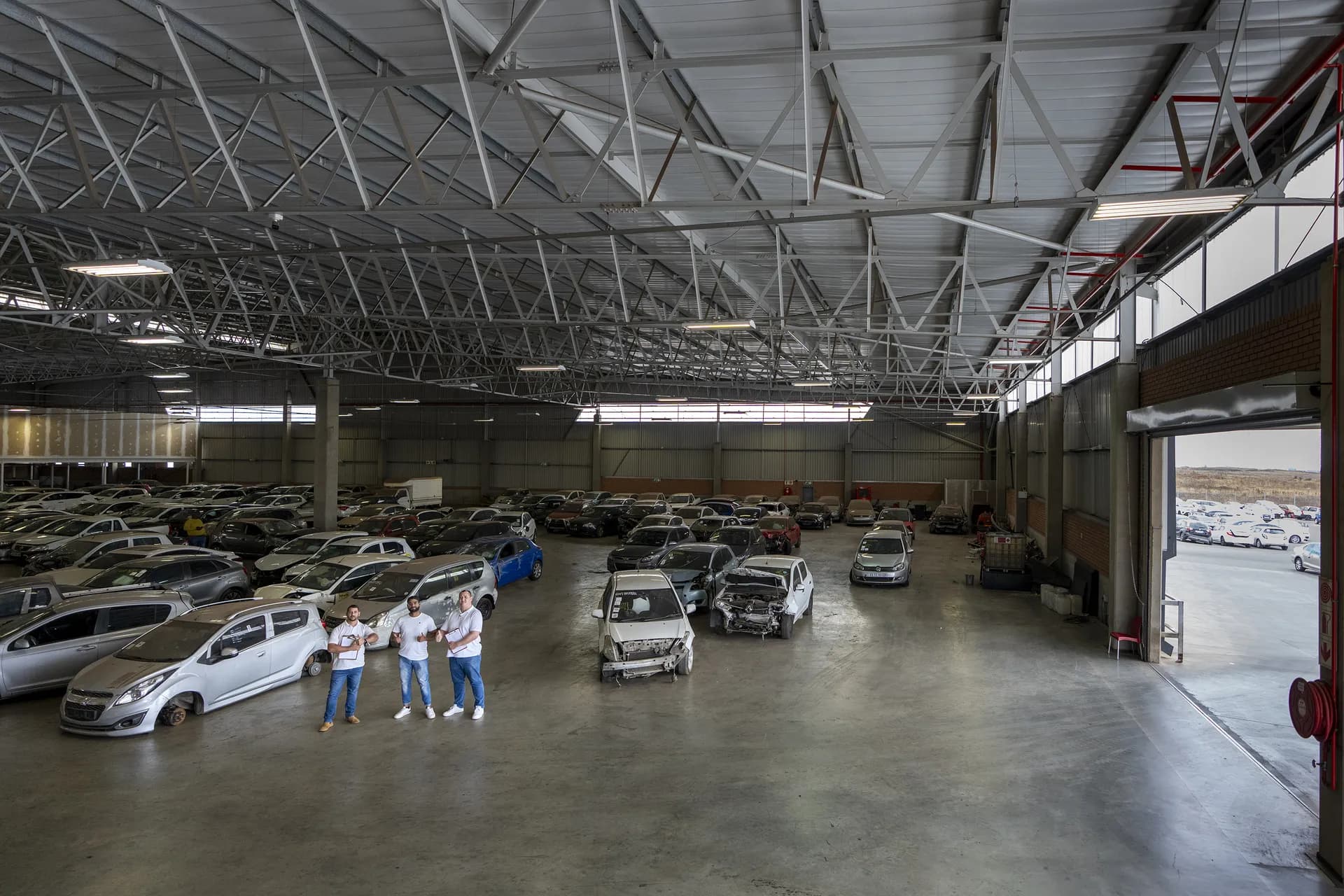
Parts Drive Salvage Value
High-demand components and scrap rates keep damaged cars marketable.
Sell vs Repair Decision
If repairs reach a large share of market value, selling salvage often makes sense.
SA-Specific Process
Free towing, deregistration help and regional market demand affect offers.
Quick summary
High demand for reusable components and rising scrap-metal prices mean damaged or written-off cars can still hold significant value. This guide explains the economics behind salvage value in South Africa, when selling is the better option than repairing, and how parts pricing affects offers from buyers and dismantlers.
Overview: how parts prices create value in salvage cars
When a vehicle is damaged, its market value as a roadworthy car may fall sharply - but the value of intact, reusable parts can remain high. Salvage buyers, recycling yards and independent mechanics factor parts demand, rarity, and scrap-metal rates into offers. In South Africa this is shaped by local parts supply chains, popular models in metros like Johannesburg, Cape Town and Durban, and the active aftermarket for engines, gearboxes, body panels and electronics.
Key drivers of salvage value
- Parts demand: common, reliable engines and transmissions for popular models keep good resale value.
- Rarity and model desirability: parts for discontinued or high-demand models fetch higher prices.
- Condition and ease of removal: components that are undamaged and easily extractable are more valuable.
- Scrap metal rates: steel, aluminium and catalytic converter values influence the minimum salvage baseline.
- Local labour and logistics: lower transport costs in major metros increase net offers to sellers.
When to sell versus repair
Deciding whether to repair or sell depends on the estimated repair cost, the vehicle's pre-accident market value, and how much of the car remains serviceable. For many South African owners, selling a written-off or heavily damaged car can be faster and less stressful than sourcing repairs, parts and workshops.
Practical thresholds and examples
A common rule of thumb: if repair costs approach or exceed 40-60% of the vehicle's undamaged market value, selling as salvage is often more economical. Example: if a car had an estimated pre-accident market value of R80,000 and repairs are R40,000-R50,000, a seller should compare the post-repair resale value vs a salvage offer. Parts prices can push salvage offers higher if engines, gearboxes or body panels still fetch good money.
Repair cost vs value retained
| Repair estimate (R) | Likely retained value if repaired | When selling salvage may be better |
|---|---|---|
| Under R10,000 | Most value retained; repairing often sensible | If ongoing faults or high downtime |
| R10,000-R40,000 | Partial retention; depends on vehicle age and parts availability | Consider salvage if parts are scarce or labour is high |
| Over R40,000 | Significant drop in value; salvage often preferable | Especially for older models or when key components are damaged |
These ranges are illustrative and depend on the vehicle, parts prices and local labour rates in South Africa. For detailed selling steps and to compare offers, read our Sell Damaged Cars and About our process to learn how buyers calculate offers in practice.
How the salvage and parts market works in SA
Salvage buyers and dismantlers source cars to recover reusable components, which are then sold via local workshops, scrapyards or export channels. Popular parts include engines, transmissions, ECU units, doors, bonnet panels, airbags (when intact) and catalytic converters. Because many workshops prefer tested used parts over new ones for cost reasons, demand remains steady for well-preserved components.
Who pays for parts and why prices vary
- Independent mechanics and panel beaters look for good-condition donor parts to save customers labour and parts costs.
- Breakers and recyclers factor refurbishment and testing into part prices.
- Export demand (for certain models) can raise domestic part prices, improving salvage offers to sellers in regions like Cape Town and Durban.
If you want to compare how offers are made and what to expect when selling a non-running vehicle, our Sell Non-Running Car page explains typical valuation factors and the online submission process.
Legal & paperwork considerations in South Africa
When you sell a salvage vehicle in South Africa, paperwork matters. Buyers will generally require proof of ownership, a clear ID, and where applicable, documentation about insurance write-off status. Sell Your Damaged Car assists with deregistration and transfer admin so sellers in Johannesburg, Cape Town, Durban and surrounding areas avoid delays. If the vehicle is under finance, inform the lender - a settlement or lender approval is usually part of the sale.
Damage types vs typical offer impact
| Damage type | Typical impact on offer | Notes for SA sellers |
|---|---|---|
| Front-end collision | High impact if engine/structural parts affected | Intact gearbox/ECU still add value; photos help valuation |
| Flood damage | Significant negative impact due to electrical risk | Some mechanical parts may still be salvageable after assessment |
| Cosmetic/side damage | Moderate impact; panels and doors often resell well | High demand in metros with many older models |
| Total loss / written-off | Variable: high if many core parts intact | Insurance write-off status should be disclosed to buyers |
Tips to maximise your salvage offer
- Provide clear photos of undamaged components (engine bay, interior, wheels): visibility increases offers.
- List recent service records or invoices for replacement parts - buyers value documented maintenance.
- Be transparent about finance or insurance status to speed up transfer and payment.
- If possible, remove personal items and secure keys - these small steps simplify collection.
What happens after collection
After you accept an offer and arrange collection, the buyer typically handles towing, paperwork and payment. For many sellers in South Africa our service includes free nationwide towing and assistance with deregistration. Once the vehicle is collected, dismantlers test and grade parts; usable components enter the resale or export market while remaining metal goes to recycling chains. Payment timelines vary but reputable buyers aim for fast payment after collection and paperwork verification.
South Africa-specific notes
- Free towing nationwide: saves sellers the cost and logistics of moving non-running vehicles across regions like Gauteng, Western Cape and KZN.
- Deregistration and transfer: a proper buyer will help with these formal steps to protect both parties.
- Vehicles under finance: settlement with the lender is required; disclose finance to avoid delays.
Sources
- NAAMSA - Automotive industry data and market context
- South African Insurance Association - Insurance and write-off guidance
- AutoTrader South Africa - Used car and parts market trends
Understanding the role of parts pricing helps South African owners make informed decisions about damaged vehicles. Whether you are in Johannesburg, Cape Town, Durban or a surrounding area, comparing repair costs against the parts-driven salvage value is the best way to determine the right path for your car. For step-by-step details on selling a damaged or non-running vehicle with assistance for towing and paperwork, see our homepage and related pages.
Seasoned automotive specialists dedicated to helping you turn your damaged or non-running vehicle into cash fast and hassle-free.
Disclaimer: This content is for educational purposes only. Product availability, pricing, and specifications are subject to change. Always verify current details on the retailer's website before making a purchase. We may earn affiliate commissions from qualifying purchases.
Why sell your damaged car to us?

A Division of Auction Nation, the leading expert in selling damaged cars

Best price for your damaged car

Get a cash offer within 24h

We buy damaged cars in any condition

We buy accident- damaged cars still under finance

Free, no obligation offer on your vehicle
How We Calculate Your Damaged Car’s Value
Wondering how we calculate your car’s value? At Sell Your Damaged Car, we look at: Your car’s real condition, its salvage value, and the current market demand. It’s all about honesty, transparency, and fairness — that’s how we determine your offer.
Frequently Asked Questions
Get answers to common questions about Selling Guides
Why Choose Sell Your Damaged Car?
Free Towing
Need a tow? We got you
Hassle Free
Get a cash offer within 24h!
Nationwide
Somewhere remote? No problem!
