Loading your content...
Loading your content...
Understand the factors behind strong demand for bakkie salvage in South Africa, when to sell vs repair, how salvage offers are calculated, and practical tips for owners.
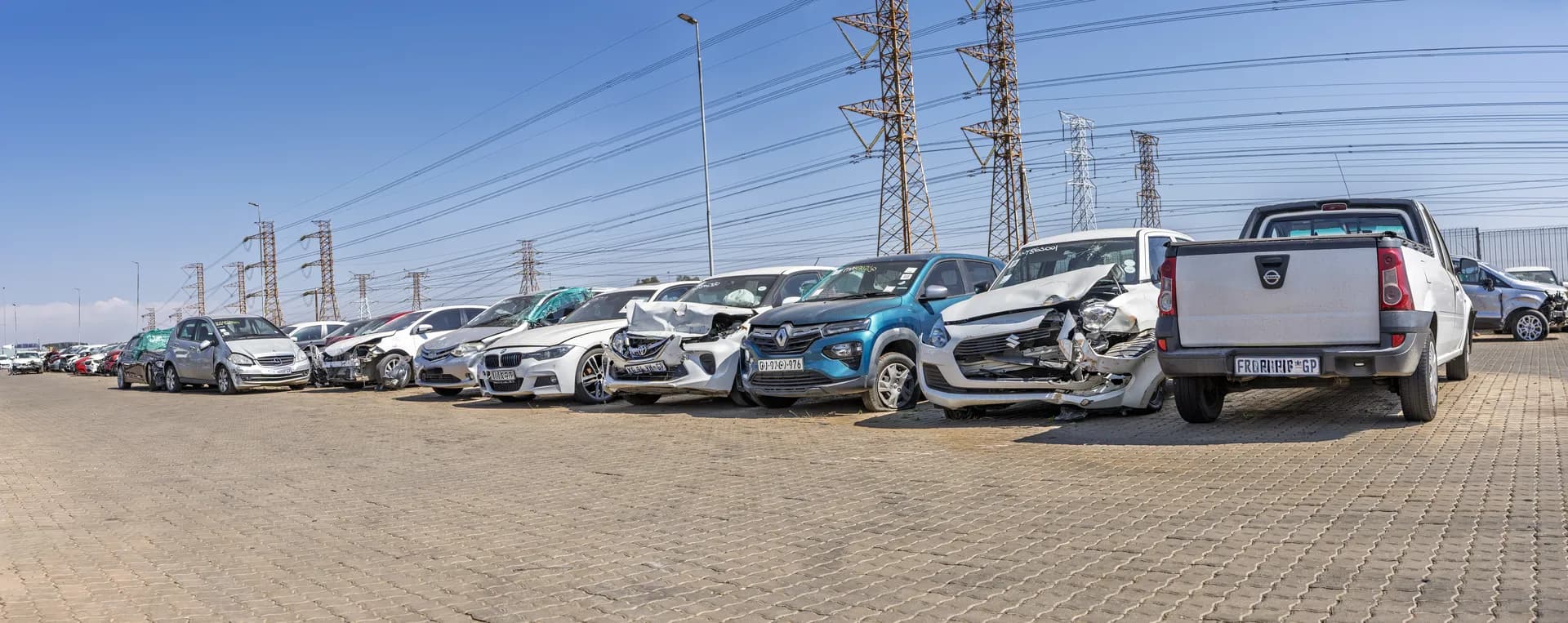
Why Demand Is High
Bakkies are widely used in commerce, raising consistent parts and salvage demand.
Sell vs Repair Considerations
When repair cost nears market value, selling for salvage is often the practical choice.
Practical Steps
Document damage, confirm finance status, and work with nationwide buyers for towing and paperwork.
The term bakkie salvage refers to used, damaged or written-off light commercial vehicles and their reusable components. In South Africa, bakkie salvage has strong demand because bakkies are central to trade, agriculture, deliveries and small-business operations. Spare parts, body panels and mechanical components from salvaged bakkies often have good resale value and play a key role in keeping vehicles on the road across urban centres such as Johannesburg, Cape Town and Durban as well as rural areas.
Note: demand for bakkie salvage fluctuates by region, season and economic cycles. Urban logistics hubs often create consistently higher demand for panels, suspension parts and diesel engine components.
| Repair type | Estimated repair cost (R, typical range) | Value retained after repair (approx.) |
|---|---|---|
| Panel repair & repaint (rear/side) | R8,000 - R25,000 | Partial; often 40%-70% of pre-damage market value |
| Engine or gearbox rebuild | R15,000 - R60,000+ | Variable; depends on service history and downtime |
| Front-end structural damage | R20,000 - R80,000+ | Often low; may be classed as salvage/write-off |
These ranges are illustrative estimates for South Africa and vary by model, year and local labour rates. Where repair costs approach or exceed market value, owners frequently consider selling the bakkie for salvage rather than investing in repairs.
Deciding whether to repair or sell a damaged bakkie depends on several practical factors: repair cost relative to market value, downtime impact on business operations, parts availability and the vehicle's remaining service life. For many owners and fleet managers, selling a bakkie for salvage becomes the pragmatic choice when repairs would cause extended downtime or when replacement parts are costly or delayed.
If you’re evaluating options, a quick online valuation can show whether a competitive cash offer for a salvage sale outweighs the costs and risks of repair. For owners of non-running or heavily damaged bakkies, specialised buyers streamline the process and arrange collection and paperwork. See related guidance on selling non-running vehicles or damaged vehicles to understand how the process typically works: Sell Damaged Cars and Sell Non-Running Car.
Typical salvage buyers in South Africa follow a simple flow: an online appraisal using photos and vehicle details, an offer based on condition and salvage demand, paperwork handling and collection. For many sellers, working with a specialist simplifies deregistration, towing and payment processing - crucial when dealing with written-off or non-running vehicles.
| Damage type | Typical impact on offer |
|---|---|
| Minor panel damage (cosmetic) | Small reduction; parts easily reused. |
| Structural/front-end damage | Larger reduction; may be classified as salvage/write-off. |
| Mechanical failure (engine/gearbox) | Variable; usable components still add value. |
| Flood or fire damage | Significant impact; electrical and interior parts often compromised. |
When selling a salvaged bakkie in South Africa you or the buyer must follow deregistration and transfer rules. Buyers that specialise in salvage commonly assist with the necessary documents, including the Section 39 or other insurer paperwork where applicable. If the vehicle is under finance, inform the finance house - settlements must be handled before ownership transfer. Using an experienced buyer can reduce administrative delays and help ensure compliance with local regulations.
For an overview of how specialist buyers handle collections, paperwork and nationwide logistics, organisations often publish process guides; see our company background for details of collection and payment steps: About / How it works and our main service page for full process details: Sell Your Damaged Car homepage.
After you accept an offer, many specialised buyers arrange free nationwide towing, finalise paperwork, and release payment. Collected bakkies may be parted out for reusable components, refurbished for resale in secondary markets, or sold to export channels depending on condition. For fleet operators this process reduces downtime and removes the burden of arranging transport and admin internally.
A small Durban-based courier business with a damaged bakkie often finds that selling for salvage gives immediate cash to secure a replacement vehicle, avoiding prolonged disruption to deliveries. Similarly, farmers in the Western Cape may prefer selling a non-running bakkie for parts to avoid high recovery or repair logistics.
Note: figures and ranges quoted are illustrative estimates for the South African market based on industry observations. Actual offers for bakkie salvage depend on model, year, condition and current salvage demand in local markets.
Need a tow? We got you
Get a cash offer within 24h!
Somewhere remote? No problem!
Wondering how we calculate your car’s value? At Sell Your Damaged Car, we look at: Your car’s real condition, its salvage value, and the current market demand. It’s all about honesty, transparency, and fairness — that’s how we determine your offer.
Get answers to common questions about Vehicle Types
Seasoned automotive specialists dedicated to helping you turn your damaged or non-running vehicle into cash fast and hassle-free.
Disclaimer: This content is for educational purposes only. Product availability, pricing, and specifications are subject to change. Always verify current details on the retailer's website before making a purchase. We may earn affiliate commissions from qualifying purchases.



Service was easy and straightforward, Johan Bouwer, who helped me with the transaction, was fantastic
I had a non-runner sitting in the driveway and it pains me to look at the car daily and don't have the finances to fix it. After many tears and making...
I have been in contact with Sheneeze Pearce and she provided so much help and made sure I submit all required documents she is so patient and very pro...
I was helped by gentleman called Cleavon Schubart, from Sell You Damaged Car. I learned from this guy that professionalism has another name called Cle...
Excellent service from Johan Bouwer. Very quick and efficient process, would definitely recommend them
Verified customerI made an enquiry on the website around midnight, and got a WhatsApp within 5 minutes. The WhatsApp message told me what I need to send and as soon a...
It was efficient, fast, helpful, and great, top class, they know what they are doing in keeping the customer happy, great customer service
Verified customerWas the best assistance I got from Mr Johan Bouwer...everything was easy and quick.love it??
Verified customerGood day, they ( shell ur damaged car) are a very professional company, excellent human communication skills. Very helpful helping with the paperwork ...
Hi....Keanu Naidoo....was very help helpful....within 24 hours my money was in my bank account...wil defnitely recommend for selling ur car
Verified customerThe person who helped me was Johan Bouwer. He made the selling process very easy and smooth, it was also quick... Johan communicated with me throughou...
They were quick, open, and honest. The only problem was the people collecting the car they arrived late. But Abdullah was always polite and helpful
Verified customerGood evening My experience with Sell your damaged car were a great experience and also a good financial experience Johan Bouwer you were so professi...
Very happy just feel that the customer needs more security as in surety about being paid beause there is so much ***** on the internet nowadays but I ...
I was helped by Tshidi Mashangoane to sell my car to Sell your damage car.what a professional. She led me through the process and kept me informed at ...
I would like to thank Keanu for his quick and professional service. He helped out with every query I had throughout the entire process, no matter how...
Great fast responses by Sheneeze, great service, and handled as promised !!
Verified customerI sold my car on Sell Your Damaged Car and I must honestly say Lee-Zhundre Nortje was very professional and helpful. I was assisted speedily and they...
I recently sold my car through Sell Your Damaged Car, and the whole process was quick and hassle-free. The team was very professional and gave me a fa...
Great communication skills from Keanu and the services was the best
Verified customerWas a breeze and faster than expected even though the pricing was a bit low
Verified customerTshidi was professional throughout the whole process, assisted me the entire time until I got paid . Thank you for tour assistance
Verified customerReally quick help. Minimal frustration. Quick responses. Tshidi Mashangoane is the best to deal with. Made everything seamless. Thank you.
Verified customerThank you so much for your professionalism and patience throughout the whole process. Keanu explained the process and patiently answered all my questi...
Hi the service was excellent from tshidi keep up the good work
Verified customerClear, seemless, and honest. They give good follow ups.
Verified customerThe service was excellent and quick
Verified customerTitle: Excellent Service from Keanu & Bassie – Highly Recommended! I had a great experience with Buy My Damaged Cars. Keanu was professional, clear i...
Excellent service Quick & prompt Excellent communication
Verified customerI realized from the start that your company is legitimate. Johan communicated in the most efficient and trustworthy manner displaying the utmost profe...
Johan Bouwer was extremely professional throughout the entire process. As this was my first experience selling a car, he made everything easy to unde...
Wow,what excellent service got from Ms Tshidi Mashangoane The first thing l needed to know was the credibility of the service as we don't trust onlin...
Excellent service from Cleavon Schubart at Sell Your Damaged Cars. He was VERY patient, professional and friendly at all times. The vehicle was collec...
The consultant was more friendly and provide me with the feedback all the time.
Verified customerI contacted then to sell my car & got contacted by Kobus Rebb, who provided me with fast & efficient service from start to end. Thank you for the exc...
I literally did this sale from the comfort of my bed, it was that easy all thanks to the lovely lady Tshidi whom I felt she knew all the right answers...
Highly professional and helpful when I was struggling with application
Verified customerFrom Start To finish The process was hassle free, stress free and so pleasant This all thanks to the open Dialogue from Johhan Bouwer wow this guy ...
I was assisted by a Lady named Tshidi very proffesional and friendly highly recommended
Verified customerExceptional service from Tshidi. She is very professional and very informative. Tshidi professionally guided and supported me through the entire proce...
I have had the best service from Kobus from start to finish. Quick, effective, reliable and informative. I will sure be recommending the to everyone a...
Very good Johan help me a lot
Verified customerIt was the best service. People are professional and kind. Quick and easy
Verified customerGood service I've received from sell your damaged car from agent Jacobus Rebb. Extremely professional and helpful.
Verified customerYour guys are quick and you give comfort to your clients updating them all the step on the way you payment are also quick your the best
Verified customerVery pleasant and seamless process
Verified customerService was fast and efficient. Tshidi was transparent throughout the process and payment was received a day after the delivery of the vehicle. Keep i...
My agent was Mr Johan Bouwer, a very humble and patient man. Answered all my questions with complete professionalism, I am glad to have worked with hi...
The service is satisfactory
Verified customerVery good
Verified customerIt was very good
Verified customerI had a wonderful experience and very good fast service as any customer appreciate ?
Verified customerIt was simple and easy they respond quick
Verified customerVery professional, fast and reliable and honest. Thank you so much
Verified customerThe team is prompt, transparent and so informative. Best service. They literally hold your hand throughout the whole process from start to finish. Tha...
The Team was Excellent, understanding and very patient...... And I got the best deal for my car
Verified customerBest service you could ask for, from start to finish. Customer satisfaction guaranteed. A huge thank you to Jacobus Rebb for his dedicated assistance....
The response was quick, service was kind
Verified customerI had an excellent experience with Sell Your Damaged Car. The process was smooth, professional, and hassle-free from start to finish. I was assisted b...
kept me updated and was available to answer questions
Verified customerEverything was explained to me clearly
Verified customerKeanu was so fast to contact me and managed to get me a great price for my vehicle. Really I am thoroughly impressed by the efficiency and speed at wh...
Honesty and very convenient. I did not have money to transport the non-runner vehicle, but they came and collected it for free.
Verified customerThe whole experience was pleasant from start to end and very professional as well.
Verified customerI've always been never trusting with online transaction "*****" but auction nation change my perspective. Excellent service, Kobus assured me that I ...
The process of selling my damaged car was so smooth and the communication was also good. I received my funds and all this was done according to our co...
A sale that has no difficulties, is the service delivered by Keanu Naidoo from auction nationwide company
Verified customerSimple, hassle free and wonderful
Verified customerWhere to start. I just want to point at to all the sceptic people out there , there are still companies that do business the honest and hardworking wa...
They keep their promises. They had waited for me to sort out the problem with the registration papers. And I have received a proof of payment within a...
To sell my car with SYDC was very easy with the assistance of Johan Bouwer. The only thing that I can complain about is the delay when it comes to th...
I would like to provide my feedback of the exemplary, timeous, excellent services of Mr Johan Bouwer. He went extra-miles in providing support after ...
Service excellent
Verified customerThe process was quick and painless. Highly recommended
Verified customerJohan Bouwer was exceptional in his service to help me sell my damaged car. It was a wonderful experience and would recommend it to anyone wanting to ...
I had a great experience with Kobus from the SYDC team. Especially during a time when I really needed help. Insurance didn't accept my claim and I was...
Wonderful experience. Thank you Evan, for a swift, seamless process of selling my damaged car from sending in the online form, the required documents ...
I had an excellent experience working with Johan Bouwer. From start to finish, he made the process of selling my damaged car incredibly smooth and has...
Johan Bouwer is a gem and diamond in your company. He has and was always there for me even though I was being a pain but he was friendly, kind and so ...
I'm happy with the service
Verified customerI have made my application as I needed to sell my damage car and wow by the help of Tshidi Moshangoane who is so humble and accommodating trust me it ...
I sold my car within a week with the assistance from Johan Bouwer. We started the process on Tuesday and by Friday I had received my cash as promised...
Excellent
Verified customerI really loved the time keeping and I only took me a one day to sell my car
Verified customerIt was a good experience, but at first, i was doubting, then Tshidi called me and gave me an assurance. Money was reflected in my account one day afte...
The process was simple, efficient and on the spot customer service and experience from Johan Bouwer. He walked me through the process with professiona...
Quick and simple.
Verified customerThe service was great…. Patiently waiting for the money to reflect
Verified customerThe dealer Johan Bouwer is Good and professional, best at his job, he assisted me very well, he made the process easy to understand, well done
Verified customerIt was nice and I like the loyalty straight forward not a **** please help others by doing the good job.
Verified customerExcellent service
Verified customerThey were professional. It took two days to sell my car from a point of contact
Verified customerI had a very good experience dealing with the Sell Your Damaged Car consultant. She was friendly, professional and very helpful. The process was also ...
I highly appreciate your client service, it is par excellent, as one of your customers I will always recommend you.
Verified customerEverything was made professional, easy and i received the payment without a hassle. The person who was helping me is friendly and updated me up to...
Mr Johan Bouwer was nothing short of EXCELLENT. He walked me through every step, informed me of every next move. This man practically held my hand and...
I'm so excited ? it was very good easy and very quick
Verified customerEverything was done digitally I did not have to be there and the service I got was very professional till everything is done
Verified customerI responded on their ad with the idea of selling my car quickly. I received a prompt response requesting info on the vehicle. This I forwarded and eve...
Simplified disposal of a damaged vehicle.
Verified customerExcellent service and Johan Bouwer very patiently took me through the process and answered all my questions. Thank you Johan.
Verified customerJohan was so friendly
Verified customerI felt like I was the only client, the experience was just great shout out to Anees Mayet , had a great time.
Verified customerI was able to purchase my new car shortly after selling my previous one.
Verified customerI am happy with your company and you are reliable.
Verified customerIt was fast and reliable
Verified customerFast, transparent and professional
Verified customerThe staff were very responsive, thank you
Verified customerService was great did everything online ? got a good service from Johan bower best service ever thank you Mr bower?
Verified customerExcellent service ? Within 3 working days deal was finalized I was so impressed thanks to Mr Johan Bouwer Good work keep it up
Verified customerIt was convenient to use and I got my help in time.
Verified customerHappy with your service, Anees made the process effortless and I am happy with the outcome
Verified customerThe service and everything in between and after was really good.
Verified customerGreat service from Abdul
Verified customerEasy and quick
Verified customerCustomer service was excellent and sale of my vehicle was quick and hassle free. I was assisted by Anees Mayet. He kept me up to date until everything...
I was helped by a gentleman called JOHAN BOUWER handled all my paperwork for me ,keep up the good work sir Everything was easy for me ,he handled eve...
I struggled months to get my car from the mechanic. It was a costly exercise without the positive results. A friend referred me to this company. I was...
Great customer service from Bradley, responds promptly to messages, is patient and ready to assist. Very professional, had such a great experience. To...
Their service is excellent and they go the extra mile for you but I think they could have offered me more for the car
Verified customerAwesome and efficient service
Verified customerJohan Bouwer kept communicating with me and made me feel at ease and thus making the process easier. He is a good sales representative..
Verified customerThey person that assisted us was very helpful, ai didn’t have any idea what to do with my car that was in a accident. His service was fast.
Verified customerThe person that was helping me was Cleavon Schubart, such a wonderful person, he was very informative, understanding and update me with all the inform...
They were friendly,and fast ,and reliable,
Verified customerI was assisted by Cleavon Schubart and he went above and beyond to assist us. Staying in touch after hours and over the weekend. It was a really smo...
Mr Cleavon made the whole process easy for me and i sold my car without any stress. Thank you so much and you guys deserves more than 5 Stars
Verified customerGreat
Verified customerTo start writing a review about Sell Your Damaged Car PRESS SEND. This is a performance rating for Johan Bouwer for his service in the sale of my veh...
I had a pleasant experience. I was offered a deal that I was happy with when compared to the other deals I got. The process was seamless and stress f...
I was happy with dealing with one contact person, Johan Bouwer. Professional service I was disappointed with the value offered for the car.
Verified customerEvans was a great help and the process ran smoothly.
Verified customerJohan Bouwer was very fast his service and always gives you updates on what will happen , explains everything properly
Verified customerExcellent ??
Verified customerWell service that I got. It was a great pleasure to do a business with your company
Verified customerThe service was quick and easy. I received my money within 24 hours. I am a happy client.
Verified customerIt was easy and fast to sell my damaged car
Verified customerTshidi is very helpful
Verified customerFrom the moment i phoned they were helpfull and friendly. Will tell everyone about you
Verified customerThe process was easy and on time. The payment reflected on the time they said it would. So very professional
Verified customerJohan Bower was an excellent consultant who made the process easy
Verified customerI am very much impressed with Mr Johan Bouwer's service, and he keeps what he says.
Verified customerI would like to acknowledge the help and assistance from Cleavon Schubart was exceptionally good, from inception till payment, Than you. Super smoot...
Absolutely amazing service from Tsidi. She is very professional and was an absolute pleasure to deal with. The whole process went smoothly from the be...
It was easy and Johan Bouwer assisted me nicely
Verified customerExcellent service from Johan Bouwer, the easiest quickest process ever. Great service. Highly recommended.
Verified customerI reveive the most amazing assistance and help from Johan Bouwer when I had to sell a vehicle after an accident . Johan was extremely helpful and prof...
I sent them a message on Friday they responded asking for pictures of the car, i sent them they never respond
Verified customerI have a positive experience selling my non runner to Sell your damaged car. Everything was done professionally and efficiently. They made me a fair o...
Great service from Cleavon Schubart, from inception till they paid, everything was transparent and smooth
Verified customerMy experience with sell your Damaged car is very excellent I'm very happy
Verified customerExceptional experience from Johan, from the time talking to him to the time fetching the car and payment. Everything was quick and to the point.
Verified customerThe offer was low but service was great
Verified customerJohan Bouwer was very helpful throughout the process. He made follow ups and was very patient with my busy schedule. I received the money as soon as I...
I was assisted by Johan Bouwer. He helped me with the paperwork and took me through the process. Everything was sorted and I got my paid into my accou...
Johan Bouwer was very helpful, and delivered quick service. It was a super easy process. All I had to do was fill out some documents, he did everythin...
Cleavon Schubart was such a pleasure to work with, very patient. Their actioning of the paperwork, pick up of the vehicle and payment process was also...
I was assisted by Johan Bouwer and he was very professional.He made selling my old car very easy and stress free. Payment was made without any hassle.
Verified customerCan only compliment the complete process. Easy, fast and professional. Recommend it any time.
Verified customerThey acted promptly and fast. They were concise and professional. they lady, Motshelisi Mashangoane that helped me was extremely competent, polite an...
Best place to sell your damaged vehicle, received excellent service from one of their consultants named Mayet Anees. His communication through the who...
What you see is what you get..
Verified customerAmazing experience which made me feel better during a very difficult time. Good communication. Anees Mayet helped every step of the process. Forever g...
Motshelisi Mashangoane made the whole experience EASY. I will definitely tell my extended family and friends about the professional and mess-free tre...
The sales consultant who assisted me throughout the whole process by the name of Motshilisi Moshangoane was and is so excellent. She made the Process ...
My car was collected yesterday on the 26th March in the morning Cleavon called me to reassure me of all the procedures today the 27th he sent me the...
The agent that I dealt with is very professional, has superb turn around times. Would have liked a higher price for the car, though. But I understand...
They are very professional and they deliver to their promises
Verified customerTshidi was really helpful i liked the service she gave me
Verified customerService was excellent and very quick and easy
Verified customerIt was for the first time selling my damaged car, and it was of a great experience, i appreciate the assistance since day one till today… Well done to...
Responding very quick and good communication. Trustworthy.
Verified customerThey where very helpful an the process was quick and easy
Verified customerAnees Mayet was my consultant and he was absolutely professional,helpful and prompt with all our interaction.It was emotional for our family to sell o...
Was great ?
Verified customerJohan Bouwer was very efficient and clear in his communication. He got me paid ASAP
Verified customerFrom start to finish, the process was remarkably smooth and hassle-free, thanks to the exceptional service provided by Joshua. He promptly responded t...
How long does it take to respond. I've been calling and no one respond
Verified customerThank you Johan Bouwer for your excellent service, patience and arranging a speedy payment. It is much appreciated.
Verified customerIt was properly done. All paperwork had to be in place. I was treated very professionally all along.
Verified customerPerfect, convenient way to sell a damaged car, with friendly and efficient service ??
Verified customerOn time
Verified customerThe entire process was easy, professional and I was assisted by a very polite and caring consultant, Joshua Murray. He responded to my queries very ...
Very happy with Sell your Damaged Car service. Very easy process. All done on WhatsApp. I sent the required documents. The next day I got a quotation,...
I just want to commend Josh for excellent service. My problem was resolved very quickly. He went over and above the call of duty, checking on me, call...
I did the business with them for the first time and they're are a reputable business with good customer care.
Verified customerOnly had good service from them and all of them was n good help specially joshua and ruan they help alot thank you guys for great services and al the ...
Johan Bouwer assisted us.From the minute we ( My husband and I)accepted the offer to the money being received we experienced excellent efficient servi...
It was great
Verified customerThe lady that helped me, her name is Tshidi. She was very helpful and friendly. All the paperwork is done while you are at home. She responds to all y...
Huge thank you to Cleavon for all his help during process of selling my car. He was able to answer all my questions when I had, but also followed thro...
I had a car that I wanted to sell. I made contact with Sell Your Damaged Car and Abdul responded quickly. I sent through the pictures they requested a...
It was very professional and seemless Joshua helped me .
Verified customerThe agent Josh are friendly, professional and answer all our questions. In a week the car was towed away, paperwork done and money in the bank. They a...
Very good reliable service and Tshidi was amazing and very patient.
Verified customerI had a very good experience. Excellent service. ??They bought my old car that didn't start. The process was quick and Joshua was very professional an...
I was assisted by Josh Murray who really made the experience so effortless. I at some point thought it was a **** but my suspicions were overturned! E...
Was handled professionally. Thank you
Verified customerIt was very helpful can't complain
Verified customerGreat service from tshidi Mashangoane
Verified customerThe service from Johan Bouwer was quick and efficient, the process was smooth from collection to payment within 24hours. Happy client.
Verified customerOnce all the necessary requirements were met Johan's service efficient and friendly.
Verified customerI had a lovely experience thanks to your sales person Mr Johan Bouwer, 1st the response was prompt, he was patient with me throughout the process. T...
Easy to sell and stress free from the paper work
Verified customerAfter completing the form And was contacted by Johan who helped all the way. Very good service
Verified customerIt's perfect
Verified customerTo be very honest, Sell Your Damaged Car is the best, they're absolutely amazing and super fast. Everything was concluded in a days time. I can defini...
I was very sceptical about selling my vehicle online especially because of the fact that it was a non-running vehicle but Cleavon Schubart assisted me...
I was finally assisted when I made a second request, first request was dumped by the assistant who read and ignored my messages, the 4 is for the seco...
I sold my car that had a transmission issue to them. The process from signing the paperwork to payment didn't take long at all. Great job
Verified customerYour official is a very good and responsible guy. He keep in touch all the time.Update on every move,follows up till you get paid. A very good jab was...
Guys I'm very very impressed with your professionalism the whole process was effortless and I received the money as promised thank you very I really a...
I was very skeptical about selling my car to Sell my Damaged Car as everything was done online. I was dealing with Anees and he put my mind at ease. I...
Been struggling to sell my damaged vehicle till i saw auction nation i sold my vehicle within 24 hours everthin was done online great service very qu...
My name is Itumeleng Seloba and I just sold Toyota Etios to the company. The moment I expressed my intention to sell, my wife gave me the contact and ...
The service was excellent and the person who help me by the name of Cleavon was on spot was always in contact with me till the end
Verified customerI wanna thank Tshidi Mashangoane for helping me sell my car I wouldn't make it with out her
Verified customerThey were friendly and assisting to sell my car
Verified customerI received the amazing service. They manage to wrap things up really quicky and effeciently. They do a fair assessment and provide you with a really g...
Excellent service from Cleavan Schubart . Received my payment in full . Thank you.
Verified customerTheir contact a Mr Abdul, assisted quite thorough and kept me in the loop on a daily basis. Exceptional client care service
Verified customerJoshua the sales consultant was very professional, helpful and knowledgeable. Knows exactly what his doing at work.
Verified customerVery professional and courteous
Verified customerI got the name if the company on the internet. I submitted my details and with in less than a hour i was assisted by 2 agents. Johan Bouwer and Alicia...
Good day. Johan Bouwer helped me and handeled everything. So easy without leaving my house! Thanks Johan!
Verified customerAnees made it easy. It was an excellent service.
Verified customerIt was efficient Helpful Anees Mayat's customer service was top notch.
Verified customerVery good service in the world of ****mers
Verified customerJosh was most helpful. Help me to gather paperwork and organising the collection of vehicle. Payment was prompt.
Verified customerCleavon was very helpful, patient, explained everything thoroughly, followed up from A to Z. Much appreciated
Verified customerIt was too easy I can say they treat the customers with good heart and show love with their experience as I didn't get any complications..
Verified customerCleavon Schubart is a great consultant patient and easy to work with.
Verified customerWas serviced as I expected and paid as promised
Verified customerWe negotiated and accepted a fair offer. Communication was excellent and prompt throughout. I had everything explained clearly and the documentation...
Excellent service with a great turnaround time. Very hassle free and reliable.
Verified customerI dealt with Cleavon, and I was so impressed with the service I received from beginning to end. I have no hesitation referring this company to anyone ...
They gave me an offer on my car in May this year, I finally got over the car and asked for another offer 5 months later, Johan contacted me and the sa...
It was surprisingly quick and easy, and I didn't have to battle with phone calls with poor reception. Everything was handled digitally with quick resp...
It was a quick, quality and very sincere as well as trustworthy experience
Verified customerMy experience was so quick and easy. Abdul was assisting me all the way. And within 2 days my car was sold, picked up by the towing serves and money i...
Professional service from Johan and team; prompt and unambiguous. Great collection team as well, lead by Richard. Recommended.
Verified customerIt was good making business with you.. And the lady who assist me was very helpful and good I really appreciate her alot
Verified customerYou are truly professional and passionate and when we negotiated the money it was in before 48 hours were over....true to you word...I hope you will g...
They were very professional.
Verified customerMy experience with Joshua Murray was extremely positive. He was very helpful, gave me extra assistance when needed, was very polite and professional, ...
Not bad
Verified customerEasy experience
Verified customer<div>In terms of service I will rate them 5 stars. But am not happy with the price offering I had. I just had to accept it because I needed cash badl...
Tshidi was very professional throughout the whole process, explained every step clearly. Car was collected on time as arranged and payment very prompt...
Quick and easy...
Verified customerJohan brouwer did a good service for me
Verified customerA seamless and very professional service, communication was excellent, the process very quick and efficient, if it wasn’t for a delay from my side in ...
AUCTION NATION IT THE BEST AUCTION IN TOWN. my name is Simangele Ntanzi I would like to say thank u( Tshidi Mashangoane) to the consultant who help m...
Clear communication and quick responses. Very friendly
Verified customerThe lady I dealt with was helpful, efficient and very good with her following up.
Verified customerDeciding to sell our car for s**** rather than fork out R150k to replace the engine (cracked piston on a Ford Ecosport a month out of warranty with no...
From the moment I started researching how to sell your damaged car, it seemed like it was going to be a stressful process… Turns out it’s just the opp...
I have received the best service ever From Tshidi Mashangoane . Everything happened as promised. Even the bank Notification
Verified customerJohan Bouwer assisted me with a seamless experience selling an old broken vehicle. I would highly reccomend getting in contact and asking for him if y...
Joshua was precise and helpful.
Verified customerThe process was quick and easy. I felt comfortable that I was dealing with an above board business. They tend to communicate almost exclusively with W...
The deal was streit forward. From tshidi mashangoane
Verified customerDealt with a lady by the name of Tshidi. She was great from the onset. Process was done via WhatsApp and her responses were always on time. I apprecia...
Aneese was amazing. He responds in no time and never keeps you waiting. He was willing to go the extra mile for us. I’d recommend Sell Your Damaged Ca...
Everything that was said,happen exactly like that.
Verified customerI dealt with a guy called John. I sold my bakie that was a write off. He got me the best quote possible went extremely fast without a lot of Hassel. ...
I would like to thank Mr. Anees Mayet for his professional manner in which we successfully conducted business. It is a quick and hassle free way to se...
Confirmation Message *Business Name:* Sell Your Damaged Car *Review:* The consultant was as responsive as could be and very helpful, even helping v...
Super easy, Johan explained everything that he needed from me. Collection was on time and very efficient. Payment once confirmed was on time . Thank y...
Very easy and fast,no hassle
Verified customerJohan was very professional and the service was amazing.
Verified customerTshidi Mashangaone she explained everything that I wanted to know about your sell your damaged car and we managed to make a deal that didn't even too...
Johan made the process seamless and easy and conducted the transaction professionally- Thank you! It might be worth considering real-time payments to ...
I dealt with a Gentleman called Cleavon and I am amazed at his service, as a service man myself I could believe his patience when I had to wait for my...
Worked with a buyer called Joshua who was extremely professional and helpful. The process of selling my damaged vehicle was quick and painless. Very h...
Excellent and professional service, within a day after processing documentations the vehicle was collected. The next day, the money was in my bank acc...
Their service was excellent. Abdul did a great job. We are very happy with everything
Verified customerIt was quick and painless, Anees was very professional, great service.
Verified customerAwesome service, reliable, friendly and quick payment
Verified customerFriendly and quick
Verified customerCleavon was a very friendly and expedient consultant. The sale process was very swift and the car was collected the same day. Cleavon was happy to of...
Johan was really professional dealing with me.Always responded either by phone or WhatsApp. To my questions.Thank you Johan for upholding the culture ...
I loaded all the information. Got a quick and professional response. The whole deal was handled in three days.
Verified customerVery helpful and patient people to deal with. They even sent a towing truck to collect our non runner vehicle that they purchased. Was the only compan...
I got prompt and professional service. From initial consultation to final collection and payment.
Verified customerGood day, it was a hassle free transaction with friendly staff who assisted with no effort.
Verified customerAfter completion of information online, the sales consultant was very helpful to kick start the process which lasted only a day and the second one was...
I dealt with Josh and he was very helpful, definitely going the extra mile. He also did a great job keeping me informed every step of the process.
Verified customerI have sent a request to Sell Your Damaged Car and they reply in no time. I was contact by Tshidi.. She was very professional in helping me. I have s...
Tshidi was very helpful and I enjoyed the experience
Verified customerIts easy trustworthy process
Verified customerI was assisted by Cleavan Schubart at Auction Nation to sell my vehicle. Man, what an excellent service and customer experience I got!! Just to name a...
Very quick and very professional.
Verified customerI was assisted by ubdull cool and always willing to assist and helpful.
Verified customerThe sale of my damaged car took about 3 days, and the money was in my account in less than 24hours after the car was taken. I'm happy with the servi...
They so fast and absolutely give you the great feedback of the vehicle ??
Verified customerThe process was smooth and quick. Joshua gave me great service and kept me in the loop throughout. To top it off, funds reflected even sooner than exp...
Ek het my 2011 Kia Cerato met ongeluk skade aan Hulle verkoop. Die span het my die hele tyd op datum gehou van wat gebeur wanneer! Beste diens ooit!
Verified customerI was assisted by the lady Tshidi Mashangaone to sell my Damaged Nissan NP200, the service was excellent, the Agent was friendly,helpful, and fast.. ...
All I can say is Tshidi gave us the best customer experience throughout the entire experience!!!! Both hubby and I got assisted by her with our car.
Verified customerExcellent service from Johan Bouwer. From start to finish kept me up to date regarding the transaction
Verified customerWas very pleased with the service
Verified customerI love the quick service. The payment took a while but I was always assured by Joshua. I can easily recommend your services. Thanks
Verified customerWe recently used their services to get rid of a vehicle with engine faults, the team guided us through the process. I being suspicious of all transact...
Very kind lady who assisted me. Quick, easy to understand and very friendly. Will recommend her to anyone who wants yo sell their damaged cars.
Verified customerThe service I received from sell your damaged car was excellent.I recently sold my vehicle to sell your damaged car thanks to Cleavan for his excelle...
The lady I dealt with, Tshidi, was very patient with me as I had no idea how this process worked. She also answered my messages within a few minutes. ...
Sold a non-runner to SYDC. Was concerned about the 24-48hrs payment delay after they tow the car away but Joshua Murray explained the process and I wa...
I just to thank Auction Nation for the great service they have rendered to me.I have been keeping my damaged car for about a year after tragedy accide...
Very efficient, professional and friendly service
Verified customerI had to get rid of my s**** car .joshua was more than helpfull to help .he made the process easy and smooth no problems or issues . Big shout to josh...
Everything was settled hassle-free and with assistance where needed. Thank you Joshua for excellent service, I will definitely recommend you to my fam...
The entire process from first contact to payment took 5 days. Very efficient.
Verified customerBaie goeie diens ontvang van Alicia, van begin tot einde. Geld oorbetaal soos belowe. Dankie.
Verified customerI was assisted by Tshidi, nice lady and very efficient. We did a great deal
Verified customerI really appreciated how Tshidi Mashangoane used check-ins to keep me up to date on the project of selling. It helped me consider our offer, and I’m e...
I sold my gamaged merc 230d monatic. The process was super and the payment i received in less than 3 days. They are straight forwad and keep their p...
I sold 2 damaged cars to Sell Your Damaged Car in January and March 2023 and received excellent service from Tshidi Mashangoane. She explained the pr...
I was assisted by Johan who was excellent and assisted me very well in service me when I was selling my car
Verified customerMy first dealing with these guys and I was impressed with their service and attitude. They bought my s**** car and paid me as promised and came to col...
I got exceptional service from Tshidi Mashangoane. The damaged car was fetched the same I accepted the offer. Thank you Tshidi
Verified customerThank you, Auction Nation, for handling my sale transaction quickly and professionally. Shout out to Faith Mauchaza for walking me through the whole p...
It has been a pleasure dealing with Tshidi Mashangoane . Very professional , friendly and helpful. Tshidi guided me through the whole process from sta...
I had an old damaged car that I wanted to get rid of. I interacted with Abdala who was quite professional and extremely patient. The quote seemed pret...
I received excellent customer service from Alicia the Sales Consultant. She guided me through the process, provided me with all the requirements and ...
After filling in their online form, I got a response on whatsapp within minutes with a consultant who stuck with me from start to end. Abdul was very ...
The whole experience of selling my car was so easy and efficient. I highly recommend.
Verified customerDealt with Tshidi who was very efficient,prompt to respond to my questions and always courteous.All time frames set were achieved and in some cases so...
Did what they said they would do. Josh was very good. Happy all round.
Verified customerI was not sure if this would work, but Alicia walked me through every step of the way. Alicia made the whole process of agreeing a price, doing the pa...
I dealt with Alicia from Sell your damaged car. What a superstar. From the start to the finish, she was on top of her game. Her requests were clear an...
I've driven my 2005 Porsche Boxster for eight happy years. But about three years ago the second gear wouldn't engage so I changed from 1st to 3rd with...
<div>I had the privilege of dealing with Alicia Coetzer at Auction Nation. What an experience; I am 72 years old and have had he car for 11 years. The...
I contacted them via their website and within shortly thereafter the instructions were sent via Whatsapp. Both vehicles were sorted out quickly and ef...
Shout out to Alicia from Auction Nation for a great service!!!!!!!!!!!!!!
Verified customerExcellent assistance by Alicia.
Verified customer