
Which Salvage Parts Are Worth the Most in 2025 - South Africa Guide
Discover which salvage parts typically hold the most value in 2025 in South Africa, estimated price ranges in R, legal considerations and tips to maximise offers.
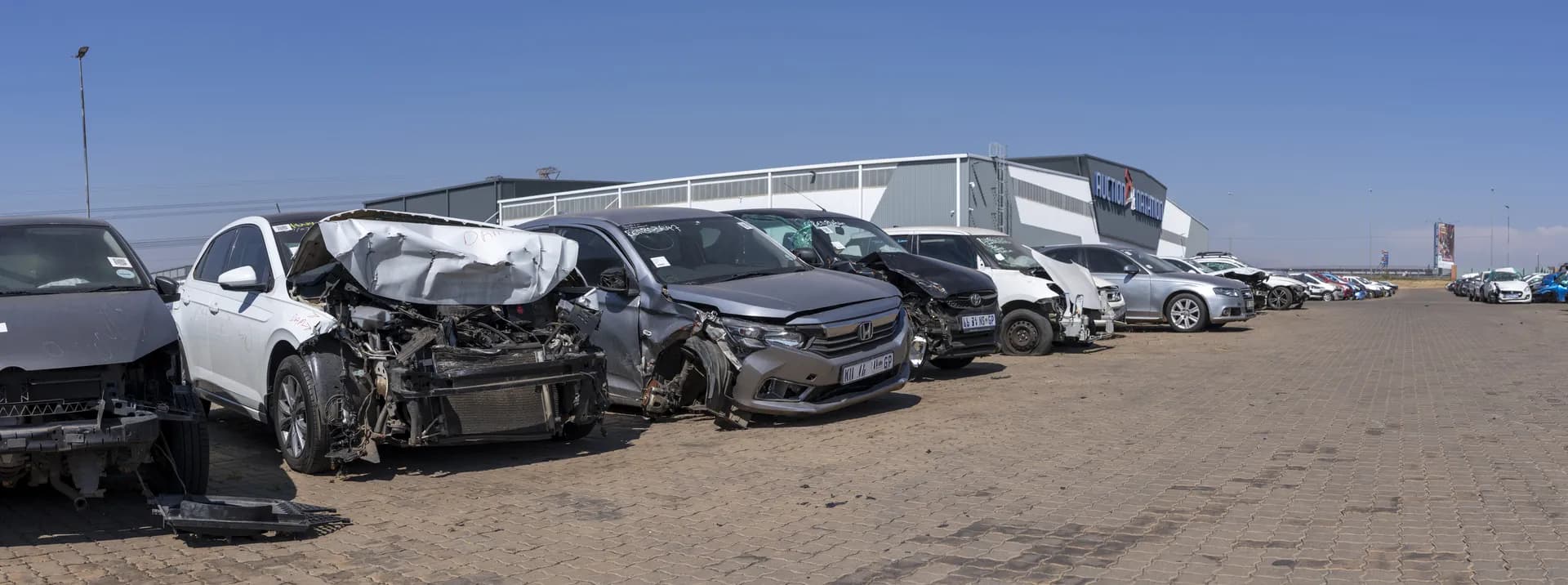
High-Value Salvage Parts
Engines, transmissions, ECUs, hybrid modules and catalytic converters often retain the most value.
Document & Research
Clear photos, part numbers and local market checks increase buyer confidence and offers.
SA Legal & Logistics
Handle finance, deregistration and collection with reputable buyers for smoother sales.
Overview: which-salvage-parts-are-worth-the-most-2025
In 2025 the salvage parts that typically hold the most value remain components that are expensive to replace new, in high demand, or contain valuable materials. In South Africa that often includes complete engines and transmissions, hybrid battery packs, turbochargers, electronic control units (ECUs), catalytic converters, and high-grade alloy wheels. Market demand, part rarity, vehicle make/model and condition of the component drive pricing - and values vary widely between metropolitan areas such as Johannesburg, Cape Town and Durban.
Why these parts command higher values
Parts with high replacement cost, long lead times or containing precious metals (for example inside catalytic converters) usually fetch more on the salvage market. Electronic components like ECUs and hybrid modules are also in demand because they are often vehicle-specific and costly to source new. Mechanical assemblies that can be reconditioned or fitted into running vehicles keep consistent secondary-market prices.
Top salvage parts to watch in 2025 (summary)
- Complete engines (long-blocks) - high demand for reliable petrol/diesel engines and some high-value hybrid/inverter modules.
- Transmissions (manual and automatic gearboxes) - especially for popular commercial models.
- Hybrid battery modules and inverter assemblies - growing demand as hybrids age.
- Turbochargers and superchargers - costly new and often reusable.
- ECUs and immobiliser modules - vehicle-specific and expensive to replace or reprogram.
- Catalytic converters - contain precious metals; local theft and regulatory issues affect market dynamics.
- Alloy wheels and tyres (good condition) - consistent retail demand.
Note: price ranges for salvage parts are estimates in R (South African rand) and depend on make, model, mileage, and local demand. Use these figures as a starting point, not an exact valuation.
Repair cost vs value retained (estimate)
| Repair / Replace | Typical South Africa cost (R, estimate) | Value retained if selling salvaged |
|---|---|---|
| Complete engine (used reconditioned) | R20,000 - R80,000 | R8,000 - R60,000 (depends on model) |
| Automatic transmission | R15,000 - R70,000 | R6,000 - R45,000 |
| Hybrid battery/inverter | R30,000 - R120,000 | R10,000 - R80,000 (module-dependent) |
When to sell parts vs repair the vehicle
Deciding whether to strip and sell high-value parts, sell the whole vehicle as salvage, or repair depends on three practical factors: repair cost vs vehicle market value, time and convenience, and legal/registration constraints in South Africa. If repairs exceed a significant portion of the vehicle’s market value or specialized parts are hard to source, selling the vehicle or extracting valuable components often makes more financial sense.
Practical scenarios
- High-cost engine failure on an older vehicle: selling the engine or the car for parts will usually recover more than investing in a full engine replacement.
- Accident damage concentrated on body panels: if the motor and drivetrain are intact, removing and selling engines, ECUs or wheels can be valuable.
- Hybrid/electric component degradation: hybrid battery modules can retain high value for repurposing or refurbishment.
For owners who prefer a fast, hands-off route, selling the whole vehicle to a specialist that handles towing and paperwork is often the simplest option. See the company homepage for more about the streamlined process https://sellyourdamagedcar.co.za/ and specifics on the types of damaged vehicles bought on the Sell Damaged Cars page.
How the process works when selling high-value salvage parts
If you intend to sell parts individually, document condition carefully with clear photos and provenance (service history, mileage). Buyers and salvage yards pay premiums for well-documented components and for parts removed professionally. If you prefer to sell the whole vehicle, a buyer that collects the car and handles deregistration and payment simplifies the process.
Damage types vs typical offer impact
| Damage type | Typical impact on offers | Notes for 2025 SA market |
|---|---|---|
| Engine/transmission failure | Moderate to high negative impact on whole-car value; parts may retain high value | Sell drive-train components separately where possible; specialist buyers pay more in metros. |
| Body/frame damage | High negative impact on whole-car offers; mechanical parts remain sellable | Non-structural parts (doors, lights, bumpers) are lower value than driveline or electronics. |
| Electrical/ECU faults | Variable impact; ECUs can be valuable if reprogrammable | Provide VIN and part numbers to increase buyer confidence. |
Legal & paperwork in South Africa
When selling salvage parts or whole vehicles in South Africa, clear title and accurate paperwork matter. If the vehicle is written off, under finance, or has outstanding traffic fines, these issues must be disclosed. Deregistration and transfer processes vary; sellers should note that specialised buyers often assist with deregistration to ensure a clean transfer of ownership.
Finance, deregistration and written-off vehicles
- If a vehicle is under finance, inform the lender - some buyers will pay the lender directly to settle outstanding debt before transfer.
- Deregistration: a professional buyer can handle the administrative steps required to transfer or deregister written-off vehicles in line with local requirements.
- Always keep a record of the sale and payment, and get a signed receipt when parts or the vehicle are collected.
For owners seeking a straightforward sale of a non-running vehicle, see the Sell Non-Running Car page for practical details on how collection and paperwork are handled https://sellyourdamagedcar.co.za/Sell_Non_Running_Car. For more about our overall process and nationwide coverage, the About page explains how towing and admin are completed https://sellyourdamagedcar.co.za/AboutUs.
Tips to maximise the value of salvage parts
- Photograph parts clearly from multiple angles and include part numbers or VIN references.
- Keep components clean and, where safe, remove fluids - buyers prefer dry, non-contaminated parts.
- Document service history and provide receipts for recent work; provenance boosts buyer confidence.
- Price realistically: research local listings on marketplaces and adjust for condition and demand in your region.
- Consider selling high-value items (engines, ECUs, catalytic converters, hybrid modules) to specialist buyers rather than general classifieds.
What happens after collection
Whether you sell parts or the entire vehicle, reputable buyers will provide a written receipt, handle transfer paperwork where required, and make payment according to the agreed terms. In many cases in South Africa, specialised salvage buyers provide free towing and take responsibility for deregistration or settlement of finance as arranged during the offer stage. Keep copies of all documents for tax or accounting purposes if selling as a business.
Example South Africa scenario (practical)
A Cape Town owner with a mechanically intact 2010 bakkie but severe body damage might recover more by selling the drivetrain and wheels individually and selling the shell to a scrapyard. In Johannesburg a buyer may pay more for a complete gearbox or turbocharger due to stronger demand from local workshops. These outcomes depend on the exact parts and condition, so research and clear documentation help secure the best offers.
Sources
- AutoTrader South Africa - marketplace insights and used parts listings
- Gumtree South Africa - used parts and salvage listings (market pricing reference)
- Road Traffic Management Corporation (RTMC) - vehicle registration and transfer guidance for South Africa
These sources provide market context and guidance; price examples in this guide are estimates for South Africa in 2025 and will vary by vehicle, region and condition. When in doubt, obtain multiple offers and ask buyers for clear documentation of payment and transfer steps.
Seasoned automotive specialists dedicated to helping you turn your damaged or non-running vehicle into cash fast and hassle-free.
Disclaimer: This content is for educational purposes only. Product availability, pricing, and specifications are subject to change. Always verify current details on the retailer's website before making a purchase. We may earn affiliate commissions from qualifying purchases.
Why sell your damaged car to us?

A Division of Auction Nation, the leading expert in selling damaged cars

Best price for your damaged car

Get a cash offer within 24h

We buy damaged cars in any condition

We buy accident- damaged cars still under finance

Free, no obligation offer on your vehicle
How We Calculate Your Damaged Car’s Value
Wondering how we calculate your car’s value? At Sell Your Damaged Car, we look at: Your car’s real condition, its salvage value, and the current market demand. It’s all about honesty, transparency, and fairness — that’s how we determine your offer.
Frequently Asked Questions
Get answers to common questions about Selling Guides
Why Choose Sell Your Damaged Car?
Free Towing
Need a tow? We got you
Hassle Free
Get a cash offer within 24h!
Nationwide
Somewhere remote? No problem!
