
Where to Sell Salvage Parts in South Africa (2025) - Practical Options & Market Guide
Discover practical places to sell salvage parts in South Africa in 2025 - breakers, dealers, online marketplaces and auctions, plus legal and logistic tips for Johannesburg, Cape Town and Durban.
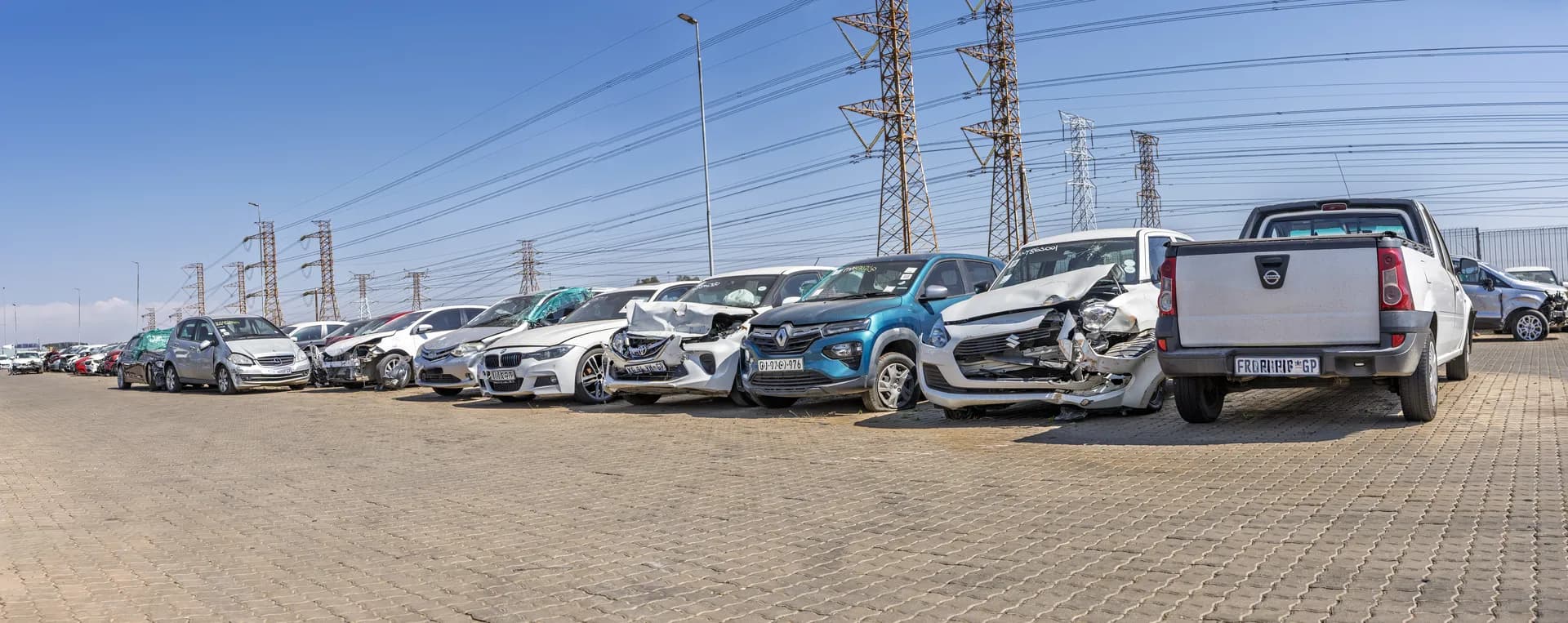
Top Selling Channels
Breakers, specialist dealers, online marketplaces and trade auctions are key options.
Prepare Parts Properly
Clean, photograph and label parts; document VINs and part numbers.
Know the Legal Risks
Check finance and theft status; get buyer paperwork in writing.
Overview: Where to sell salvage parts in South Africa (2025)
If you have salvage parts from an accident, written-off vehicle, flood or mechanical failure, there are several routes to convert those parts into cash. Common channels in South Africa include breakers/wreckers, specialist salvage yards, online marketplaces, trade-only auctions and direct sale to repair shops. Each option has trade-offs in price, speed and effort. This guide explains the main routes, practical steps for sellers in Johannesburg, Cape Town, Durban and surrounds, and how to choose the best approach for your parts.
Key considerations before selling
- Condition and demand: Tyres, engines, ECUs, airbags and body panels fetch different interest and value depending on model and condition.
- Documentation: Proof of ownership, part numbers and clear photos help build buyer trust and can speed up sale.
- Legal: Ensure parts are not linked to unresolved theft or finance cases; vehicles under finance may require lender consent.
Main places to sell salvage parts
- Breakers and auto-wreckers: Local breakers buy whole donor parts or dismantle vehicles. Good for bulk sale and quick removal.
- Specialist salvage parts dealers: Useful for higher-value components (engines, transmissions, airbags, ECUs).
- Online marketplaces: Platforms such as Gumtree, Facebook Marketplace and dedicated auto-parts forums reach DIYers and small workshops.
- Trade auctions: Salvage auctions and trade-only marketplaces are effective for lots or rare parts with competitive bidding.
- Direct to repair shops and fleet maintenance teams: Local panel-beaters and fleet managers often buy reliably if parts are well-documented.
Tip: Photograph parts from multiple angles, show part numbers and capture close-ups of wear or damage. Clear images increase buyer confidence and usually improve sale speed.
Repair cost vs value retained (illustrative, South Africa)
| Repair / Rebuild Task | Typical South Africa cost (R, est.) | Value retained if sold as salvage part |
|---|---|---|
| Engine rebuild | R10,000 - R40,000 | R3,000 - R25,000 depending on condition and model |
| Transmission repair | R8,000 - R50,000 | R2,000 - R30,000 |
| Body panels & cosmetic fixes | R2,000 - R20,000 | R200 - R8,000 per panel |
Numbers above are estimates for the South African market in 2025 and vary by region, vehicle rarity and part condition. When repair costs approach or exceed the typical salvage value range, selling parts separately is usually more economical than repairing the complete vehicle.
For owners who prefer a low-effort option, services that buy whole salvage vehicles - handling collection, deregistration and payment - can be more practical than dismantling and selling parts individually. Learn how Sell Your Damaged Car handles whole-vehicle purchases and paperwork on the About page: About / How it works.
Damage types vs typical offer impact
| Damage type | Parts most in demand | Typical buyer interest / offer impact |
|---|---|---|
| Front-end collision | Engines, radiators, headlights, bumpers | High for intact mechanicals; body panels lower if bent |
| Flood or water damage | Body panels, wheels; electronics less desirable | Lower offers for ECUs and electronic modules; good for stripped metal |
| Fire damage | Metal components, non-melted hardparts | Limited market; specialist dismantlers may buy usable metal parts |
If you’re unsure where to start, compare local breaker quotes and online listing interest. For larger lots of parts or full-vehicle disposal, an option that handles collection and paperwork often reduces time and risk.
For guidance on selling non-running vehicles as an alternative, see the Sell Non-Running Car resource: Sell Non-Running Car.
How to prepare and price salvage parts
Preparation boosts saleability and final price. Clean parts, label them with VIN or part numbers, and record mileage/condition. Price competitively by checking similar listings on local online platforms and asking multiple breakers for offers. When pricing, account for removal labour and any courier or collection costs if you are selling remotely.
Selling routes - pros and cons with South African examples
- Local breakers (Johannesburg, Cape Town, Durban): Fast payment and collection but offers tend to be lower than retail-market listings.
- Online private sale: Platforms reach end-users and small workshops; expect longer time-to-sell but potentially higher prices.
- Trade auctions and salvage brokers: Best for rare parts or lots; fees and wait times vary.
- Selling the whole vehicle to a specialist buyer: Saves dismantling effort; buyer handles towing and paperwork and may give a competitive cash offer for intact salvage value. For an overview of selling damaged cars as whole units, see Sell Damaged Cars: Sell Damaged Cars.
Legal & paperwork notes for South Africa
Before selling parts or a whole salvage vehicle, confirm that the vehicle is not subject to finance or a theft report. Lenders must be notified if the vehicle is financed; selling without consent can create legal issues. For whole-vehicle sales, buyers commonly handle deregistration and transfer paperwork - ask any buyer to confirm their process in writing. For background on our process for whole-vehicle purchases and admin handling, see the company homepage: Sell Your Damaged Car.
Tips to maximise your return when selling salvage parts
- Sell high-demand parts first (engines, alternators, airbags, catalytic converters where legal) and leave corroded or heavily damaged items for scrap buyers.
- Bundle compatible parts (e.g., door + mirror + window) to attract repair shops that prefer complete assemblies.
- Be transparent about faults and history-this reduces disputes and returns, strengthening your reputation as a seller.
What happens after sale - logistics & payment
Agree payment terms up front. For local buyers, cash on collection or electronic transfer on collection is common. For distant buyers, use secure methods and confirm receipt before releasing parts. If a buyer offers to collect, clarify who pays towing or courier costs. If you prefer a low-effort exit (sell the whole salvage vehicle rather than dismantling), many nationwide services will schedule free towing and handle deregistration - useful for private owners and small business fleets.
Practical examples (South Africa scenarios)
Example 1 - Johannesburg private seller: A sedan with a written-off front end; engine intact. The owner called three local breakers and listed the engine on a marketplace. Breaker collection resulted in faster sale for a modest offer; the online private sale took longer but returned a higher net after collection costs.
Example 2 - Cape Town small fleet manager: Multiple identical damaged vehicles. Consolidating parts into a single lot and approaching a salvage broker yielded better overall proceeds than individual online listings and removed logistic overhead.
Sources
- AA South Africa - Guide to buying and selling vehicles
- Road Traffic Management Corporation (RTMC) - South African vehicle and road traffic resources
- South African Government Information - official guidance and services
Note: External links above are included for reference and may provide further details on registration, consumer protection and vehicle handling in South Africa. Figures and price ranges in this article are estimates for the South African market in 2025 and will vary by region and part condition.
Seasoned automotive specialists dedicated to helping you turn your damaged or non-running vehicle into cash fast and hassle-free.
Disclaimer: This content is for educational purposes only. Product availability, pricing, and specifications are subject to change. Always verify current details on the retailer's website before making a purchase. We may earn affiliate commissions from qualifying purchases.
Why sell your damaged car to us?

A Division of Auction Nation, the leading expert in selling damaged cars

Best price for your damaged car

Get a cash offer within 24h

We buy damaged cars in any condition

We buy accident- damaged cars still under finance

Free, no obligation offer on your vehicle
How We Calculate Your Damaged Car’s Value
Wondering how we calculate your car’s value? At Sell Your Damaged Car, we look at: Your car’s real condition, its salvage value, and the current market demand. It’s all about honesty, transparency, and fairness — that’s how we determine your offer.
Frequently Asked Questions
Get answers to common questions about Selling Guides
Why Choose Sell Your Damaged Car?
Free Towing
Need a tow? We got you
Hassle Free
Get a cash offer within 24h!
Nationwide
Somewhere remote? No problem!
