
Where to Sell a Non-Running Hail-Damaged Car in South Africa
Explore your options for selling a non-running, hail-damaged car in South Africa. Learn repair vs sell guidance, how specialist buyers work, paperwork and tips to increase offers.
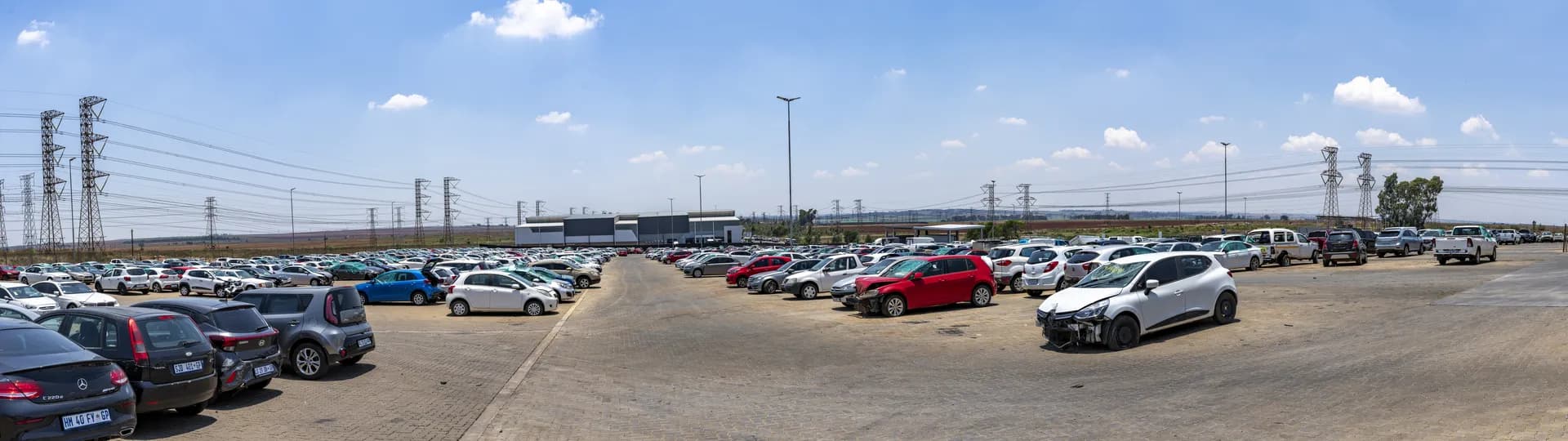
Specialist Buyers Simplify Sales
Online offers, free towing and paperwork handling for non-running hail-damaged cars.
Compare Repair vs Sell
If repair costs approach post-repair value, selling as-is is often better.
SA-Specific Legal Tips
Check finance status and ensure deregistration and transfer are handled correctly.
Overview: Where to sell a non-running hail-damaged car
If your car has been badly hammered by hail and no longer starts, you have several routes: private sale, scrap yards, salvage auctions, dealer trade-in, or specialist buyers who purchase damaged, non-running vehicles for cash. Each option affects time, paperwork and the likely cash offer. This guide explains the practical choices for South African owners and when selling is a better option than repairing.
Specialist buyers focus on cars exactly like this: non-running and hail-damaged. They factor in salvage value, parts demand and transport costs, and often include perks that simplify the sale such as free towing and handling deregistration. For an overview of how a dedicated service operates, see our about page at About / How it works and the non-running car resource at Sell Non-Running Car.
Quick note: market demand for parts (panels, glass, mechanical components) often determines offers for hail-damaged vehicles. Non-running status reduces offers because tow and repair costs factor in.
Common selling options and what to expect
- Private sale: potential for higher price but slower, with the burden of transport and legal transfer.
- Scrap or metal recyclers: fastest disposal for severely damaged cars; offers based on weight and recyclable parts.
- Salvage yards and breakers: buy for usable parts; may pay more than scrap but less than a whole-car buyer.
- Trade-in at a dealer: convenient if buying another vehicle, but dealers price conservatively for non-running hail-damaged cars.
- Specialist car buyers (recommended for convenience): provide online offers, free towing, paperwork handling and quick payment.
When to sell vs repair: a practical comparison
Deciding whether to repair a hail-damaged car that won’t start depends on repair cost, the vehicle’s pre-damage market value, and how long you can wait. Below is a simple comparison showing typical repair cost ranges (estimates) and expected retained value after repairs in a South African context. Figures are illustrative and will vary by model, age and location.
| Scenario | Estimated repair cost (R) | Typical value retained after repair |
|---|---|---|
| Minor hail + non-running (battery/alternator) | R3,000 - R10,000 | 60-85% of pre-damage value |
| Moderate hail + bodywork, repairable | R10,000 - R40,000 | 40-70% of pre-damage value |
| Severe hail + structural/electrical + non-running | R40,000+ | Often below 50% - consider selling |
If repair estimates approach or exceed the expected market value after repair, selling as-is to a specialist or salvage buyer is often the more economical and faster choice.
How the specialist sale process works in South Africa
Specialist buyers streamline selling a non-running hail-damaged car: you submit vehicle details and photos, receive an immediate offer, accept if it’s suitable, and the buyer arranges free towing, completes paperwork (including deregistration where applicable), and pays promptly. This process removes towing logistics and most administrative hurdles - especially useful for owners in Johannesburg, Cape Town, Durban and surrounding areas.
Damage types vs typical offer impact
Below is a practical guide showing how different damage elements normally influence offers. These are qualitative and depend on vehicle age, parts demand and salvage market conditions in South Africa.
| Damage type | Typical effect on offer |
|---|---|
| Exterior hail dents (body panels) | Moderate reduction; panels salvageable but repair cost can be high |
| Glass damage (windscreen/windows) | Lower offers if multiple panes need replacing |
| Non-running (engine/electrical) | Significant reduction; tow and workshop diagnostics add cost |
| Structural or chassis damage | Highest negative impact; may be classed as written-off by insurers |
Legal & paperwork considerations in South Africa
Selling a hail-damaged car involves transfer paperwork and sometimes deregistration. If the vehicle is still under finance, you must settle or obtain lender consent before transfer. Specialist buyers often assist with deregistration and the transfer form (for example, a completed RoD/transfer form at the local licensing department). Always obtain proof of payment and a written receipt on collection.
- If insured: check whether the insurer declared the car a total loss; this affects how you can sell it.
- Vehicles under finance: contact your lender; specialist buyers frequently coordinate lender settlement.
- Deregistration and transfer: confirm who handles NIDS/registration steps - reputable buyers will manage these items.
Tips to maximise your offer for a hail-damaged non-runner
- Be honest and detailed in photos and descriptions - transparent listings get quicker, fairer offers.
- Provide service history and keys where available - complete records can lift an offer.
- Separate and show any usable spare parts (alloys, infotainment unit) - they can increase salvage value.
- Confirm finance status before listing; clearing or supplying lender details shortens the sale process.
- Compare offers from at least two specialist buyers or breakers - transparency helps you choose a competitive cash offer.
What happens after collection?
After collection by the buyer: the vehicle is transported to the buyer’s facility, paperwork is finalised (transfer/deregistration where relevant), and payment is released. For many sellers the biggest benefits are immediate removal of the vehicle, avoidance of towing costs, and having the paperwork handled - especially helpful if you live outside major centres like Cape Town, Johannesburg or Durban.
If you want a straightforward route to sell a non-running, hail-damaged car, check the damaged-car options on the main site at Sell Damaged Cars or start from our homepage to upload details and get an offer at Sell Your Damaged Car.
Sources
Seasoned automotive specialists dedicated to helping you turn your damaged or non-running vehicle into cash fast and hassle-free.
Disclaimer: This content is for educational purposes only. Product availability, pricing, and specifications are subject to change. Always verify current details on the retailer's website before making a purchase. We may earn affiliate commissions from qualifying purchases.
Why sell your damaged car to us?

A Division of Auction Nation, the leading expert in selling damaged cars

Best price for your damaged car

Get a cash offer within 24h

We buy damaged cars in any condition

We buy accident- damaged cars still under finance

Free, no obligation offer on your vehicle
How We Calculate Your Damaged Car’s Value
Wondering how we calculate your car’s value? At Sell Your Damaged Car, we look at: Your car’s real condition, its salvage value, and the current market demand. It’s all about honesty, transparency, and fairness — that’s how we determine your offer.
Frequently Asked Questions
Get answers to common questions about Selling Guides
Why Choose Sell Your Damaged Car?
Free Towing
Need a tow? We got you
Hassle Free
Get a cash offer within 24h!
Nationwide
Somewhere remote? No problem!
