
Where to Sell a Non-Running Car in South Africa - Options, Steps & What to Expect
Discover practical options for selling a non-running car in South Africa: compare private sale, trade-in, salvage buyers and specialist services that arrange towing and paperwork.
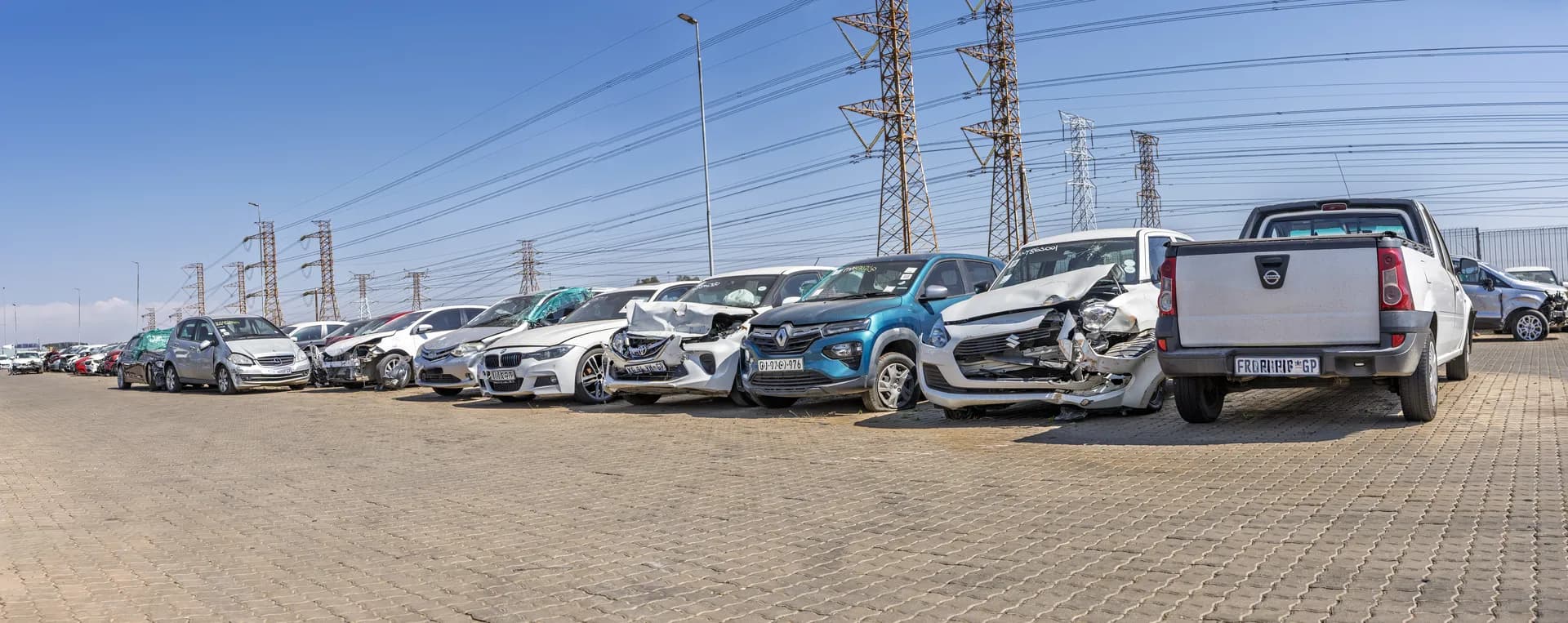
Compare Your Options
Private sale, dealer, insurer or specialist buyers - weigh time, cost and paperwork.
Documentation Matters
Clear ID, registration papers and finance details speed transfer and payment.
Nationwide Support
Specialist services offer free towing and handle deregistration across SA.
Overview: where to sell a non-running car in South Africa
If you’re asking where to sell a non-running car in South Africa, your main choices are private sale, dealer/trade-in, insurer or salvage buyer, and specialist cash-buyers who buy any condition vehicles. Each route has different timelines, costs and paperwork obligations. This guide compares the practical options available in Johannesburg, Cape Town, Durban and smaller centres, and explains how to decide whether to repair or sell.
Why location and buyer type matter
Logistics (towing), local demand for parts, and the size of the salvage market in your region affect offers. Urban areas often have stronger part demand; remote areas may have limited buyer choices but still qualify for free nationwide collection by specialist services.
When to sell vs repair
Deciding whether to repair or sell depends on the estimated repair cost, current market value, and how urgently you need cash or space. If repair estimates exceed a large portion of the vehicle’s market value, selling typically makes more financial sense.
- Consider repair when work restores roadworthy condition for less than ~40-60% of market value (depends on model and age).
- Consider selling when repairs are costly, time-consuming or when the vehicle is written off or non-running.
| Scenario | Repair cost (estimate) | Value retained after repair (estimate) |
|---|---|---|
| Minor repairs (bodywork, lights) | R3,000 - R15,000 | High (70-90%) |
| Moderate repairs (engine/transmission work) | R15,000 - R60,000+ | Medium (40-70%) |
| Severe or structural/flood damage | R50,000 - R200,000+ | Low (0-40%) |
Common selling options
- Private sale: Can get higher offers but requires advertising, meetings, and arranging towing.
- Dealer/trade-in: Simple but dealers may offer less for non-running vehicles.
- Insurance settlement/salvage auction: Often used after claims; timing and access depend on your insurer.
- Specialist buyers: Companies that purchase non-running or written-off cars, often including free towing and paperwork handling - see our Sell Non-Running Car information for how these services typically work: Sell Non-Running Car.
Damage types vs typical offer impact
| Damage type | Typical impact on offer |
|---|---|
| Minor cosmetic damage | Small reduction; marketable to private buyers. |
| Mechanical failure (non-running) | Moderate reduction; salvage/parts demand matters. |
| Flood, fire, structural | Significant reduction; often sold for parts or scrap. |
Quick note: Specialist buyers often include free nationwide towing and paperwork handling. For a concise explanation of how a specialist process works, see our How it works page.
How the process works for selling a non-running car
Specialist buyers and many reputable services follow a consistent workflow: you submit vehicle details and photos online, receive a valuation or offer, accept if it suits you, then the buyer arranges collection and handles paperwork. In South Africa this can include deregistration and settlement with finance houses where applicable.
Step-by-step example (typical)
- Submit make, model, year, mileage, and photos - most forms take under 5 minutes.
- Receive an initial, obligation-free offer based on condition and salvage demand.
- If accepted, arrange a collection time. Many services provide free towing nationwide to collection yards in Cape Town, Johannesburg or Durban.
- Buyer completes paperwork, including handing over receipts and assisting with deregistration; payment is released once collection and identity checks are complete.
Legal & paperwork in South Africa
Selling a vehicle in SA requires correct documentation. Key elements include a signed registration certificate (or application to deregister), a clear proof of identity, and disclosure of any finance. If the vehicle is under finance, the lender must be paid or produce release documentation. Specialist buyers often liaise with finance houses to settle balances or provide clear instructions for transfer.
Tips to maximise your offer
- Provide clear photos from multiple angles, including engine bay and interior - transparency builds trust and can increase offers.
- Supply service history and keys if available; documented maintenance can improve perceived value.
- Be honest about finance. Buyers can often arrange settlements faster if you supply account details or contact info for the creditor.
- Compare several buyers, including private, dealer and specialist offers - avoid accepting the first offer unless it aligns with market expectations.
What happens after collection
After the vehicle is collected, the buyer usually issues written confirmation of receipt and completes transfer or deregistration steps. Payment timing varies by buyer; many specialist services release payment quickly once identity and ownership are verified. Keep all receipts and written confirmations for your records and tax purposes where relevant.
Practical South Africa scenarios
Example: A non-running car in a Johannesburg suburb may attract higher parts demand and therefore stronger offers than the same model in a remote Eastern Cape town. Conversely, free nationwide collection reduces friction and can make specialist buyers competitive across locations. If the car is under finance in Durban, coordinate with your lender early to avoid delays in transfer.
Further reading and related resources
If you want a service designed for non-running vehicles, consider reading our pages on selling non-running vehicles and damaged cars to compare options: Sell Damaged Cars and Sell Your Damaged Car homepage.
Sources
Seasoned automotive specialists dedicated to helping you turn your damaged or non-running vehicle into cash fast and hassle-free.
Disclaimer: This content is for educational purposes only. Product availability, pricing, and specifications are subject to change. Always verify current details on the retailer's website before making a purchase. We may earn affiliate commissions from qualifying purchases.
Why sell your damaged car to us?

A Division of Auction Nation, the leading expert in selling damaged cars

Best price for your damaged car

Get a cash offer within 24h

We buy damaged cars in any condition

We buy accident- damaged cars still under finance

Free, no obligation offer on your vehicle
How We Calculate Your Damaged Car’s Value
Wondering how we calculate your car’s value? At Sell Your Damaged Car, we look at: Your car’s real condition, its salvage value, and the current market demand. It’s all about honesty, transparency, and fairness — that’s how we determine your offer.
Frequently Asked Questions
Get answers to common questions about Selling Guides
Why Choose Sell Your Damaged Car?
Free Towing
Need a tow? We got you
Hassle Free
Get a cash offer within 24h!
Nationwide
Somewhere remote? No problem!
