
When to Scrap a Car vs Sell: A South African Owner's Guide
Learn when it makes sense to scrap your car in South Africa and when to sell for cash. Find damage type impacts, repair value tables, and key legal steps.
Overview: Should You Scrap or Sell Your Car?
If your car has been in an accident, is written-off, or no longer runs, you're probably weighing whether to scrap it for parts or sell it as-is for cash. Many South African owners struggle with this decision, especially when faced with expensive repairs, uncertain paperwork, and questions about vehicle value. This guide explains, with local context, how to choose the right path - and what each option really means in South Africa.
When Selling Makes Sense
Selling is usually preferable if:
- You want cash without costly repairs
- The vehicle holds value for spares, repairs, or resale as salvage
- You want to avoid the paperwork and logistics of end-of-life scrapping
- Free towing and administrative support are available
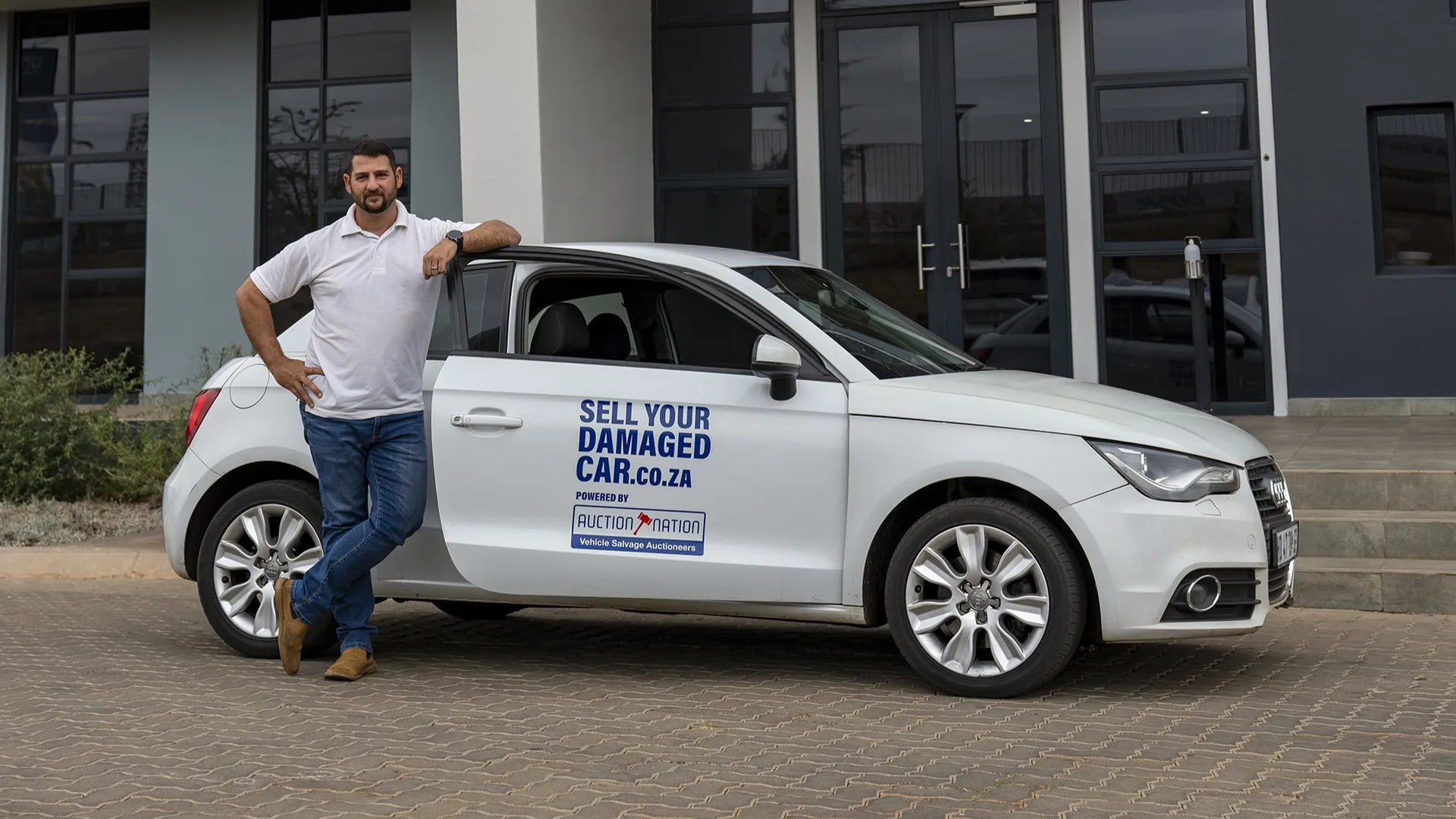
Specialist services like Sell Your Damaged Car purchase accident-damaged, non-running, fire or flood-damaged vehicles and handle collection, deregistration, and payment with minimal hassle nationwide.
When Scrapping May Be Better
Scrapping may be the right choice if:
- The vehicle is old enough that parts are no longer in demand
- Extensive fire, rust, or flood damage renders it beyond practical salvage value
- Major components (engine, gearbox, body) are already missing or beyond repair
- It has no papers or is irreversibly deregistered
In these cases, licensed scrap yards may pay for the residual metal weight only, and you'll still be responsible for deregistering the vehicle with the relevant licensing authority.
Repair vs Value: South African Cost Table
| Damage/Repair Scenario | Avg. Repair Cost (R) | % Value Retained After Repair |
|---|---|---|
| Minor cosmetic (bumper, lights) | R4,000 - R8,000 | 85-90% |
| Moderate body damage | R12,000 - R25,000 | 70-80% |
| Major engine/mechanical | R25,000 - R70,000 | 50-65% |
| Severe accident or fire | R90,000+ | 30-50% |
Note: Figures above are estimates for SA passenger cars; actual cash offers and repair viability depend on make, model, year, and exact damage.
Damage Types vs Offer Impact
| Damage Type | Typical Impact on Offer |
|---|---|
| Mechanical Non-Runner | Moderate |
| Accident/Structural | High |
| Fire/Flood Damage | Very High |
| Stolen & Recovered/No Papers | Extremely High or Not Accepted |
| General Age/Wear Only | Low to Moderate |
How the Sell or Scrap Process Works in SA
Selling Your Damaged Car (to a Specialist Buyer)
- Upload your car details and photos online
- Receive a quick, obligation-free offer based on your car's specific damage profile
- Accept and confirm free collection at your convenience (nationwide)
- The buyer handles legal paperwork, including deregistration if required
- Payment is released after collection and admin completion
Scrapping Your Vehicle (End-of-Life)
- Contact an authorised scrapyard or recycler (ensure NCRS compliance)
- Arrange transport - towing fees may apply unless included
- Remove licence plates and disability tags (if fitted)
- Complete relevant form (usually yellow form, Notification of Change of Ownership/Sale or Deregistration), and submit to your local licensing office
- Receive payment based on scrap metal weight (typically less than if sold as salvage)
Tips to Maximise Your Offer
- Gather paperwork: Proof of ownership, ID, and latest registration papers increase trust and may improve quotes
- Disclose damage honestly: Accurate, detailed descriptions and clear photos help specialists calculate a fair offer the first time
- Remove personal items and any extra non-factory upgrades (e.g., sound systems), unless you want them included in the sale
- Compare options: Check both specialist buyers and local scrapyards if unsure; each may have unique criteria and pricing structures
What Happens After Collection or Scrapping?
- If sold, the vehicle moves to a registered entity for assessment, spares resale, or dismantling for the salvage market
- Your paperwork obligations end once transfer/deregistration is processed - always keep confirmation slips as a record
- If scrapped, the chassis and useable metals are recycled and you'll typically receive a deregistration certificate from the authorities
Both options remove ongoing costs like insurance, penalties for non-renewal, and the storage headaches of a non-running car. For most South African owners, a transparent sale to a trusted buyer is simpler unless the car is totally valueless as a vehicle or for spares.
Sources
Seasoned automotive specialists dedicated to helping you turn your damaged or non-running vehicle into cash fast and hassle-free.
Disclaimer: This content is for educational purposes only. Product availability, pricing, and specifications are subject to change. Always verify current details on the retailer's website before making a purchase. We may earn affiliate commissions from qualifying purchases.
Why sell your damaged car to us?

A Division of Auction Nation, the leading expert in selling damaged cars

Best price for your damaged car

Get a cash offer within 24h

We buy damaged cars in any condition

We buy accident- damaged cars still under finance

Free, no obligation offer on your vehicle
How We Calculate Your Damaged Car’s Value
Wondering how we calculate your car’s value? At Sell Your Damaged Car, we look at: Your car’s real condition, its salvage value, and the current market demand. It’s all about honesty, transparency, and fairness — that’s how we determine your offer.
Frequently Asked Questions
Get answers to common questions about Selling Guides
Why Choose Sell Your Damaged Car?
Free Towing
Need a tow? We got you
Hassle Free
Get a cash offer within 24h!
Nationwide
Somewhere remote? No problem!
