
What to Fix Before Selling an Accident Car in South Africa
Learn which repairs to prioritise before selling an accident-damaged car in South Africa, cost vs value guidance (R estimates), paperwork tips and next steps.
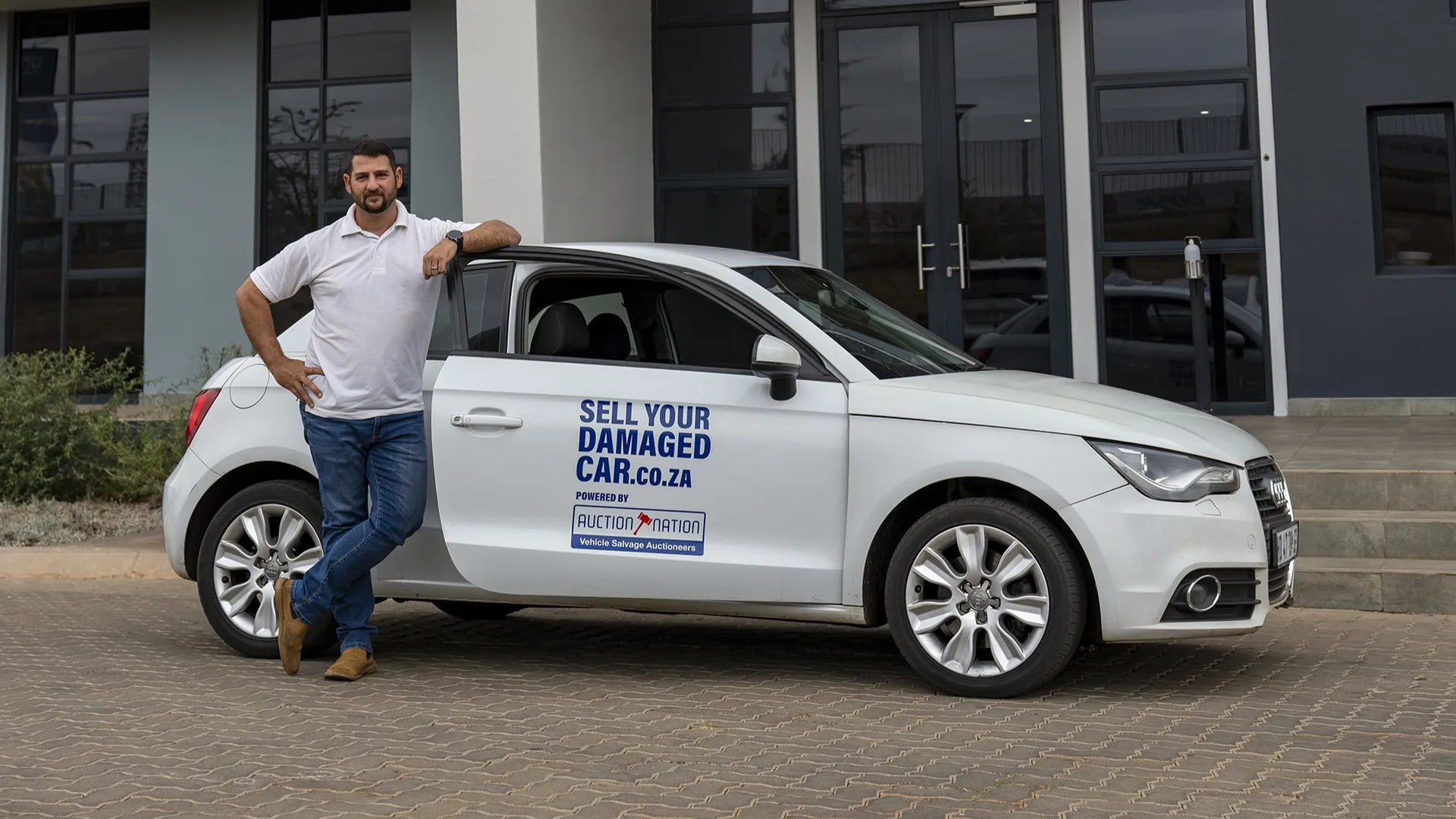
Prioritise Safety Fixes
Repair lights, brakes and fluid leaks first - they often increase buyer confidence.
Compare Repair vs Sell
Use written estimates; avoid expensive structural repairs that exceed vehicle value.
Paperwork & Free Towing
Specialist buyers commonly handle deregistration and collect nationwide at no cost.
Overview: deciding what to fix after an accident
If your car has been in an accident you may be weighing repair bills against the likely resale outcome. The primary questions to answer are: will fixing this issue meaningfully increase the cash offer, how much will repairs cost in South Africa (R), and how quickly do you need to move the vehicle? This guide focuses on practical, experience-based decisions for private owners and small fleets in Johannesburg, Cape Town, Durban and surrounding areas.
Key principles
- Prioritise safety and legal compliance (brakes, lights, fluid leaks, airbags).
- Estimate repair cost vs likely value retained - minor cosmetic work rarely pays for itself.
- Non-running status and major structural (frame) damage often lower market interest more than paint or trim faults.
When to consider selling as-is
Selling as-is is often sensible when repair costs exceed a meaningful portion of the vehicle’s market value, or when the vehicle is written off by an insurer. If the car is non-running, has structural/frame damage, or requires premium parts and labour, a competitive cash offer for the vehicle in its current state can be quicker and lower effort than arranging repairs and resale. For examples of services that buy damaged or non-running cars, review the Sell Damaged Cars and Sell Non-Running Car pages on our site for context: Sell Damaged Cars and Sell Non-Running Car.
Repair cost vs value retained (estimates for SA)
| Repair type | Typical cost range (R) | Likely impact on cash offer |
|---|---|---|
| Minor dents/scratches | R400 - R3,000 | Small uplift; often modest compared to cost |
| Broken lights / indicators | R200 - R1,200 | Good uplift - affects safety & legality |
| Mechanical repairs (engine/transmission) | R5,000 - R40,000+ | High cost; may be better to sell as-is |
| Airbag replacement / structural work | R10,000 - R60,000+ | Often uneconomic; frequently already written off by insurers |
When to repair versus when to sell
Use a simple math check: if estimated repair cost is less than the expected uplift in sale proceeds plus your time/effort, repair. For many South African owners, small safety fixes (lights, functioning brakes, tyre condition) are worth doing because they remove immediate sale barriers. Cosmetic fixes rarely deliver net gains unless low-cost and high-visibility (e.g., replacing a cracked side mirror).
Practical decision checklist
- Get written repair estimates from a reputable local workshop.
- Check whether the car is insured/written off - insurers may already declare a total loss.
- Estimate how long repairs will take and any storage costs in Johannesburg, Cape Town or Durban.
- If you want a fast, low-administration sale, consider a buyer that collects nationwide and handles paperwork, such as services listed on our homepage.
How the selling process usually works for accident cars
If you decide to sell rather than repair, the common steps are: gather photos and documents, get an offer (online or in-person), accept an offer, schedule collection and complete paperwork. Many buyers who specialise in damaged vehicles offer free towing nationwide, handle deregistration and settle payment quickly after collection.
Damage types vs typical offer impact
| Damage type | Typical effect on offers |
|---|---|
| Superficial cosmetic (paint, small dents) | Small negative impact if car runs and has service history |
| Functional issues (engine, gearbox) | Significant negative impact; buyers factor in parts & labour |
| Structural/frame damage | Major reduction; many buyers classify as salvage or written-off |
| Water/flood or fire damage | Large negative impact due to hidden corrosion/electrical faults |
Legal & paperwork considerations in South Africa
Ensure you have proof of ownership (registration document) and any service history. For vehicles under finance, inform the lender - many buyers will only proceed once the outstanding finance has been settled or the lender authorises sale. Buyers who handle paperwork can assist with deregistration and transfer forms; see our About / How it works page for typical admin steps: About / How it works.
Note: Deregistration and transfer rules are administered nationally; check eNaTIS and RTMC guidance if you need to confirm requirements for your province.
Tips to maximise your offer
- Photograph the car clearly from multiple angles, include close-ups of damage and the engine bay.
- Provide accurate service history and receipts where available; even basic maintenance records improve buyer confidence.
- Fix low-cost safety items (lights, tyre pressure, brake lights) - these often remove obstacles to higher offers.
- Be transparent about accident history - buyers reduce risk when they have full information, which can lead to better, faster offers.
- Compare offers from specialist buyers who provide free towing and paperwork help rather than attempting a private sale that can incur towing and admin delays. See our Sell Damaged Cars page for more on how specialist buyers operate: Sell Damaged Cars.
What happens after collection
After you accept an offer and the vehicle is collected, most buyers complete transfer paperwork, handle deregistration if required, and release payment. If the car was under finance, proceeds may first be used to settle the account. If you worked with a buyer that handles paperwork, confirm timing and how payment will be made and verified.
Practical South Africa examples and closing notes
Example: a non-running older sedan with a blown gearbox may require R15,000-R40,000 to repair; selling as-is to a specialist buyer who offers free towing and paperwork handling can save time and administration. By contrast, replacing a cracked headlight (R300-R900) and fixing a faulty indicator are inexpensive and can remove negotiation hurdles.
Further reading and trusted steps
If you want to learn more about selling options for non-running vehicles, our Sell Non-Running Car page explains typical timelines and inclusions offered by specialist buyers: Sell Non-Running Car. For a broader view on our services and how we manage collection and paperwork across South Africa, see the homepage: Sell Your Damaged Car.
Sources
Seasoned automotive specialists dedicated to helping you turn your damaged or non-running vehicle into cash fast and hassle-free.
Disclaimer: This content is for educational purposes only. Product availability, pricing, and specifications are subject to change. Always verify current details on the retailer's website before making a purchase. We may earn affiliate commissions from qualifying purchases.
Why sell your damaged car to us?

A Division of Auction Nation, the leading expert in selling damaged cars

Best price for your damaged car

Get a cash offer within 24h

We buy damaged cars in any condition

We buy accident- damaged cars still under finance

Free, no obligation offer on your vehicle
How We Calculate Your Damaged Car’s Value
Wondering how we calculate your car’s value? At Sell Your Damaged Car, we look at: Your car’s real condition, its salvage value, and the current market demand. It’s all about honesty, transparency, and fairness — that’s how we determine your offer.
Frequently Asked Questions
Get answers to common questions about Tips And Advice
Why Choose Sell Your Damaged Car?
Free Towing
Need a tow? We got you
Hassle Free
Get a cash offer within 24h!
Nationwide
Somewhere remote? No problem!
