
What to Expect When Selling a Salvage Car in South Africa
Learn what to expect when selling a salvage car in South Africa: valuation factors, the sale process, paperwork (including finance and deregistration) and tips to maximise offers.
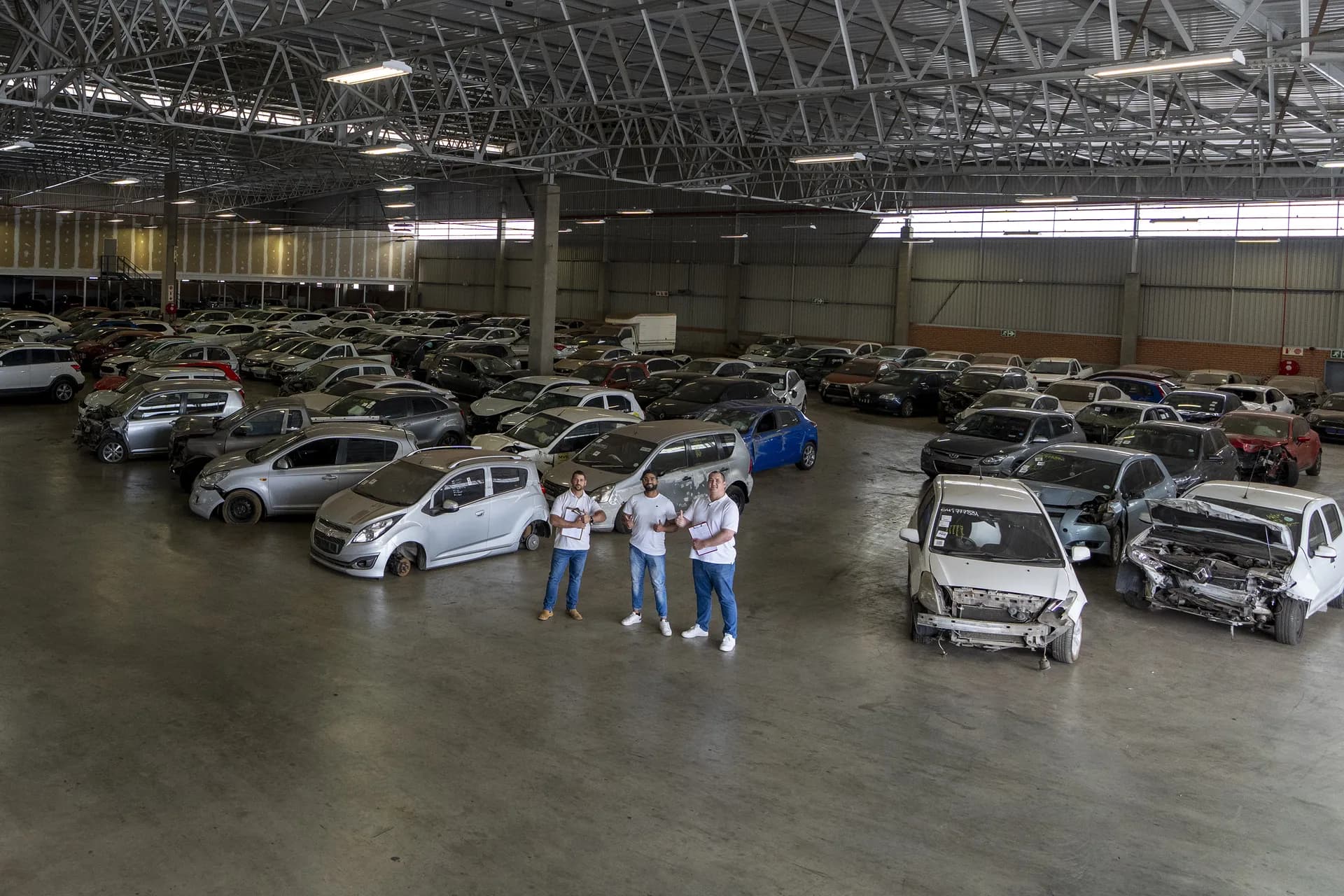
Understand Offer Drivers
Condition, parts demand and location determine a salvage offer.
Expect Clear Steps
Online details, offer, free towing and paperwork handled by buyer.
Know the Paperwork
Deregistration, finance disclosure and transfer receipts are essential.
Overview: selling a salvage car in South Africa
If you own a salvage vehicle - accident-written-off, flood- or fire-damaged, or otherwise declared uneconomical to repair - knowing what to expect when selling a salvage car helps you make quicker, better decisions. Specialist buyers such as Sell Your Damaged Car buy vehicles in any condition, offer free towing and help with paperwork, making the sale straightforward for private owners and small fleets across Johannesburg, Cape Town, Durban and nationwide.
This guide explains typical offer drivers, whether to repair or sell, the step-by-step process with a professional buyer, South Africa-specific legal and deregistration considerations, tips to maximise a competitive cash offer and what happens after collection.
When to sell versus when to repair
Deciding whether to repair a salvage vehicle or sell it depends on repair cost, market value after repair, safety and the time and effort involved. Below is a simple comparison to help you weigh options; figures are illustrative estimates in South African R and will vary by make, model and region.
| Scenario | Typical repair cost (estimate, R) | Value retained after repair |
|---|---|---|
| Minor panel & bumper damage | R5,000 - R20,000 | 70%-90% of repaired market value |
| Structural/frame damage | R20,000 - R80,000+ | 30%-60% of repaired market value |
| Flood or major engine damage | R25,000 - R100,000+ | Often less than 50% of repaired market value |
If repair costs approach or exceed the expected resale value after repairs, selling as salvage often provides a faster and lower-effort route to recover value. Specialist buyers consider salvage demand for parts, scrap metal value and transport costs when making an offer.
Damage types and typical offer impact
| Damage type | Typical effect on offers |
|---|---|
| Superficial panel/paint | Minor reduction; parts resale and repair easier |
| Structural/frame damage | Significant reduction; safety concerns and costly repair |
| Engine/transmission failure | Offers depend on salvageable components; high variability |
| Flood/fire damage | Large reduction; electrical and corrosion risks lower resale value |
Note: specialist buyers evaluate the vehicle holistically - age, model desirability, parts demand and location all affect an offer. For an overview of which vehicles are accepted and why, see the Sell Damaged Cars page on our site: Sell Damaged Cars.
How the sale process typically works with a specialist buyer
When selling a salvage car to a professional buyer you can usually expect a clear online-to-collection workflow. Typical steps include:
- Provide vehicle details and photos through an online form (make, model, year, damage description). Specialist buyers use this info to produce an initial offer.
- Receive an obligation-free, competitive cash offer based on market and salvage demand.
- If you accept, schedule collection. Many services offer free nationwide towing and handle transport logistics.
For a clear explanation of the steps a specialist buyer follows and how Sell Your Damaged Car operates, see our About page: About / How it works, and the Sell Non-Running Car information for cars that cannot be started: Sell Non-Running Car.
Legal & paperwork in South Africa
When selling a salvage car in South Africa, paperwork is a critical part of the process. Expect the buyer to request proof of ownership, a valid ID, the vehicle registration document (green book), and any police or insurance reports if applicable. If your vehicle is under finance, you should disclose this; the buyer will typically coordinate with the finance house to settle any outstanding balance as part of the sale.
A reputable buyer will assist with deregistration and transfer processes or provide the correct transfer documentation so you are not left with ongoing liability. Always confirm which fees (if any) are handled by the buyer and which remain your responsibility before accepting an offer.
Tips to maximise your offer
- Provide clear photos from multiple angles, including under the bonnet and interior - accurate information reduces offer uncertainty.
- List known service history and recent invoices; documented maintenance can improve offers for salvage with usable components.
- Disclose damage honestly. Hiding major faults can delay payment or lead to offer withdrawal after inspection.
- Confirm who pays towing and admin fees. Many specialist buyers offer free towing nationwide, removing cost barriers for sellers.
What happens after collection
After you accept an offer and the vehicle is collected, a reputable buyer will finalise the transfer paperwork and arrange payment. Payment timing varies by buyer but many provide fast payment once collection and paperwork are complete. If you need confirmation of deregistration or a transfer receipt, request these documents before collection so you have written proof the transaction is final.
Example scenario: a private owner in Durban sells a written-off sedan. They provide clear photos and documentation, accept a competitive cash offer, the buyer arranges free towing to a local yard and coordinates settlement of any finance balance. The seller receives near-instant payment once the vehicle is collected and transfer forms are signed.
Common seller questions
- Q: Can I sell a car that's still financed? A: Yes - disclose the finance. Buyers often liaise with the finance house to settle the balance and complete transfer.
- Q: Will towing be charged? A: Many specialist buyers offer free nationwide towing, including collection across Gauteng, Western Cape and KwaZulu-Natal.
- Q: Do I need to repair anything first? A: Repairs are usually unnecessary; buyers price the vehicle as-is, factoring repairability and parts value.
Next steps and trusted resources
Understanding what to expect when selling a salvage car helps you avoid surprises, speed up the sale and secure a competitive cash offer. For practical guidance on selling damaged or non-running vehicles at Sell Your Damaged Car, review the Sell Damaged Cars page and our main site for step-by-step details: Sell Your Damaged Car homepage.
Sources
Seasoned automotive specialists dedicated to helping you turn your damaged or non-running vehicle into cash fast and hassle-free.
Disclaimer: This content is for educational purposes only. Product availability, pricing, and specifications are subject to change. Always verify current details on the retailer's website before making a purchase. We may earn affiliate commissions from qualifying purchases.
Why sell your damaged car to us?

A Division of Auction Nation, the leading expert in selling damaged cars

Best price for your damaged car

Get a cash offer within 24h

We buy damaged cars in any condition

We buy accident- damaged cars still under finance

Free, no obligation offer on your vehicle
How We Calculate Your Damaged Car’s Value
Wondering how we calculate your car’s value? At Sell Your Damaged Car, we look at: Your car’s real condition, its salvage value, and the current market demand. It’s all about honesty, transparency, and fairness — that’s how we determine your offer.
Frequently Asked Questions
Get answers to common questions about Selling Guides
Why Choose Sell Your Damaged Car?
Free Towing
Need a tow? We got you
Hassle Free
Get a cash offer within 24h!
Nationwide
Somewhere remote? No problem!
