
What Parts Are Reused vs Recycled from a Car in South Africa
Learn which car components are commonly reused and which are recycled in South Africa. Get practical tips for selling damaged, non-running or written-off vehicles to maximise value.
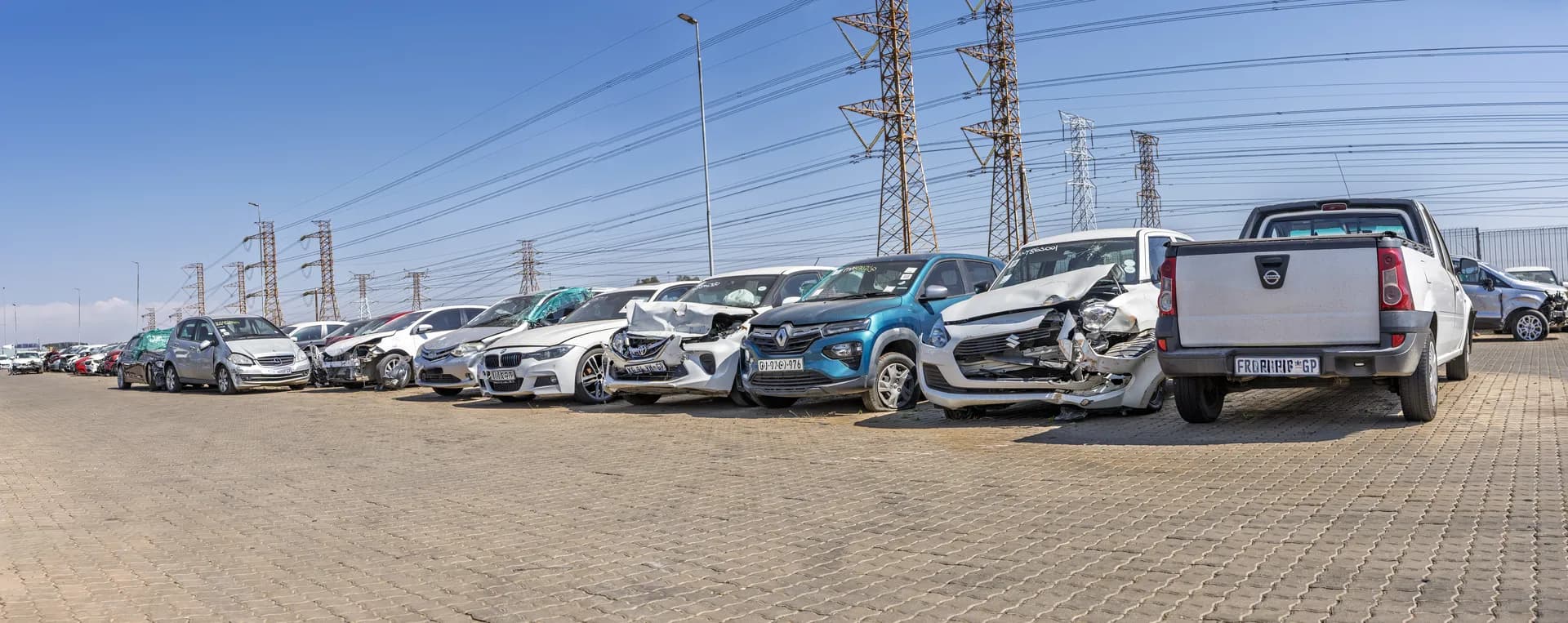
What’s Reused
Engines, transmissions, electrical units and many interior parts are commonly refurbished and reused.
What’s Recycled
Body shells, aluminium, batteries, glass and plastics are typically recycled by weight.
How to Improve Offers
Provide clear photos, service history and full condition details to increase reuse value.
Overview: reuse vs recycling explained
When a car reaches the end of its life after an accident, flood, fire or mechanical failure, the vehicle is typically split into two recovery streams: parts that can be safely refurbished and reused, and materials that are recycled into raw commodities. Understanding what parts are reused vs recycled from a car helps owners, repairers and fleet managers make better decisions about selling, repairing or scrapping a vehicle. This is especially relevant in South Africa where salvage demand, parts availability and recycling infrastructure affect offers and logistics.
What to expect
Reusable parts keep value because they can be inspected, refurbished and fitted into other vehicles; recyclable materials are processed (crushed, shredded, melted) and sold by weight. Whether a part is reused or recycled depends on damage type, age, vehicle rarity and local market demand.
Commonly reused parts
- Engine and transmission (if not severely damaged or contaminated)
- Alternators, starters and turbochargers
- Lighting assemblies, mirrors and body panels in repairable condition
- Suspension components, wheels and tyres with usable tread
- Interior items: seats, airbags (subject to safety rules), infotainment units
- Electronic control units (ECUs) and sensors when tested and reprogrammed
Commonly recycled materials
- Crushed body shell and structural steel (melted and reformed)
- Aluminium components (rims, some engine parts) processed separately
- Battery materials (lead-acid battery recycling or safe disposal)
- Glass and most plastics (sorted and sent to specialised recyclers)
When to sell vs repair
Deciding whether to repair or sell depends on repair cost, future reliability, insurance status and cash flow. If the repair estimate approaches or exceeds a large share of the vehicle’s market value, selling the car for parts or recycling can be the more practical option. For private owners and small fleets in Johannesburg, Cape Town and Durban, consider local labour and parts costs: major repairs in metros can push costs higher than the resale value.
| Repair cost (estimate) | Typical decision | Value retained (approx.) |
|---|---|---|
| R0-R8,000 | Repair locally | High - good resale potential |
| R8,000-R25,000 | Compare offers vs repair | Moderate - depends on parts demand |
| R25,000+ | Often sell as salvage or for parts | Low - recycler weight value |
These figures are illustrative estimates only. Actual repair quotes and retained value vary by make, model, year and local market conditions in South Africa.
How the parts recovery process works
After a damaged car is sold to a specialist buyer or salvage yard, the vehicle is assessed and dismantled. Reusable components are inspected, tested, cleaned and either sold as refurbished parts or stored. Materials unsuitable for reuse are dismantled and sorted into streams (ferrous metal, non-ferrous metal, plastics, glass, batteries) for recycling.
If you want to sell a vehicle for parts rather than scrap, disclosing accurate condition and providing clear photos helps buyers assess which parts are likely to be reused. For a national overview of our service steps see the How it works page.
For non-running vehicles, salvage buyers often make offers based on the value of reusable components plus recycling value of the shell; compare options on our Sell Non-Running Car page to see what that process looks like for South African sellers.
Legal & paperwork in South Africa
When a vehicle changes hands for parts or recycling, correct paperwork is essential. In South Africa, clearing ownership, cancelling or transferring registration and handling any finance encumbrances must be done before payment is finalised. Many buyers (including specialist services) offer to handle deregistration and paperwork on your behalf; confirm whether the buyer will settle outstanding finance directly with the lender or requires you to do so.
Sale with outstanding finance
Vehicles under finance cannot legally be sold free of the lender’s interest until the debt is settled or the lender authorises the sale. If a buyer agrees to purchase a vehicle under finance, ensure the payment process explicitly covers settlement of encumbrances and obtain written confirmation before handing over the car.
Damage types vs typical offer impact
| Damage type | Parts likely reused | Offer impact |
|---|---|---|
| Front-end collision | Engine (if intact), headlights, grille | Moderate to high reduction depending on frame damage |
| Flood damage | Limited - some mechanical parts if dried & tested | Significant reduction due to electrical contamination |
| Fire damage | Few reusable parts; metal salvage | High reduction; often recycled for metal value |
| Non-running (mechanical) | Transmission, alternator, wheels if intact | Varies - mechanical condition critical |
Offers reflect the expected resale price of reusable parts, the weight value of recyclable materials and the buyer’s dismantling costs. In metros like Cape Town or Johannesburg, higher demand for specific used parts can improve offers for certain models.
Tips to maximise your offer
- Provide clear, well-lit photos of the entire car and close-ups of damage.
- List the vehicle’s service history, known faults and recent repairs-buyers value transparency.
- Remove valuable personal items and any easily detachable aftermarket parts you want to keep.
- Be honest about flood or fire history-undisclosed issues reduce trust and final offers.
- Compare offers from multiple buyers; ask how they value reusable parts vs scrap weight.
For a quick way to see how a specialist buyer handles non-running or heavily damaged vehicles, review our practical sale pages: Sell Damaged Cars and our homepage for service scope and coverage.
What happens after collection
Once a damaged car is collected, reputable buyers inventory reusable parts, supply certificates for deregistration where relevant and process payment per agreement. Reused components typically undergo inspection and any required certification before resale. Recycled materials are sold to foundries and recyclers; proceeds contribute to the final valuation but are usually lower than the market price of tested, reusable parts.
If you prefer to prioritise reuse over recycling, state this to buyers-some will seek to sell whole usable components rather than immediately scrapping the shell. For more on choosing between selling whole or selling specifically for parts, see our explanation of typical workflows on the About / How it works page.
Sources
- NAAMSA - National Association of Automobile Manufacturers of South Africa
- South African Department of Transport
- Department of Forestry, Fisheries and the Environment - Waste and recycling guidance
Notes: When describing values, R indicates South African rand and cost ranges are estimates for typical scenarios in South Africa. Market prices for parts and scrap fluctuate; always request an up-to-date, written offer from buyers before agreeing to a sale.
Seasoned automotive specialists dedicated to helping you turn your damaged or non-running vehicle into cash fast and hassle-free.
Disclaimer: This content is for educational purposes only. Product availability, pricing, and specifications are subject to change. Always verify current details on the retailer's website before making a purchase. We may earn affiliate commissions from qualifying purchases.
Why sell your damaged car to us?

A Division of Auction Nation, the leading expert in selling damaged cars

Best price for your damaged car

Get a cash offer within 24h

We buy damaged cars in any condition

We buy accident- damaged cars still under finance

Free, no obligation offer on your vehicle
How We Calculate Your Damaged Car’s Value
Wondering how we calculate your car’s value? At Sell Your Damaged Car, we look at: Your car’s real condition, its salvage value, and the current market demand. It’s all about honesty, transparency, and fairness — that’s how we determine your offer.
Frequently Asked Questions
Get answers to common questions about Comparison And Alternatives
Why Choose Sell Your Damaged Car?
Free Towing
Need a tow? We got you
Hassle Free
Get a cash offer within 24h!
Nationwide
Somewhere remote? No problem!
