
What Documents Are Needed to Sell an Accident Car in South Africa - Complete Checklist
Learn which documents you need to sell an accident-damaged car in South Africa: registration papers, ID, police reports, finance settlement, and practical tips for a smooth transfer.
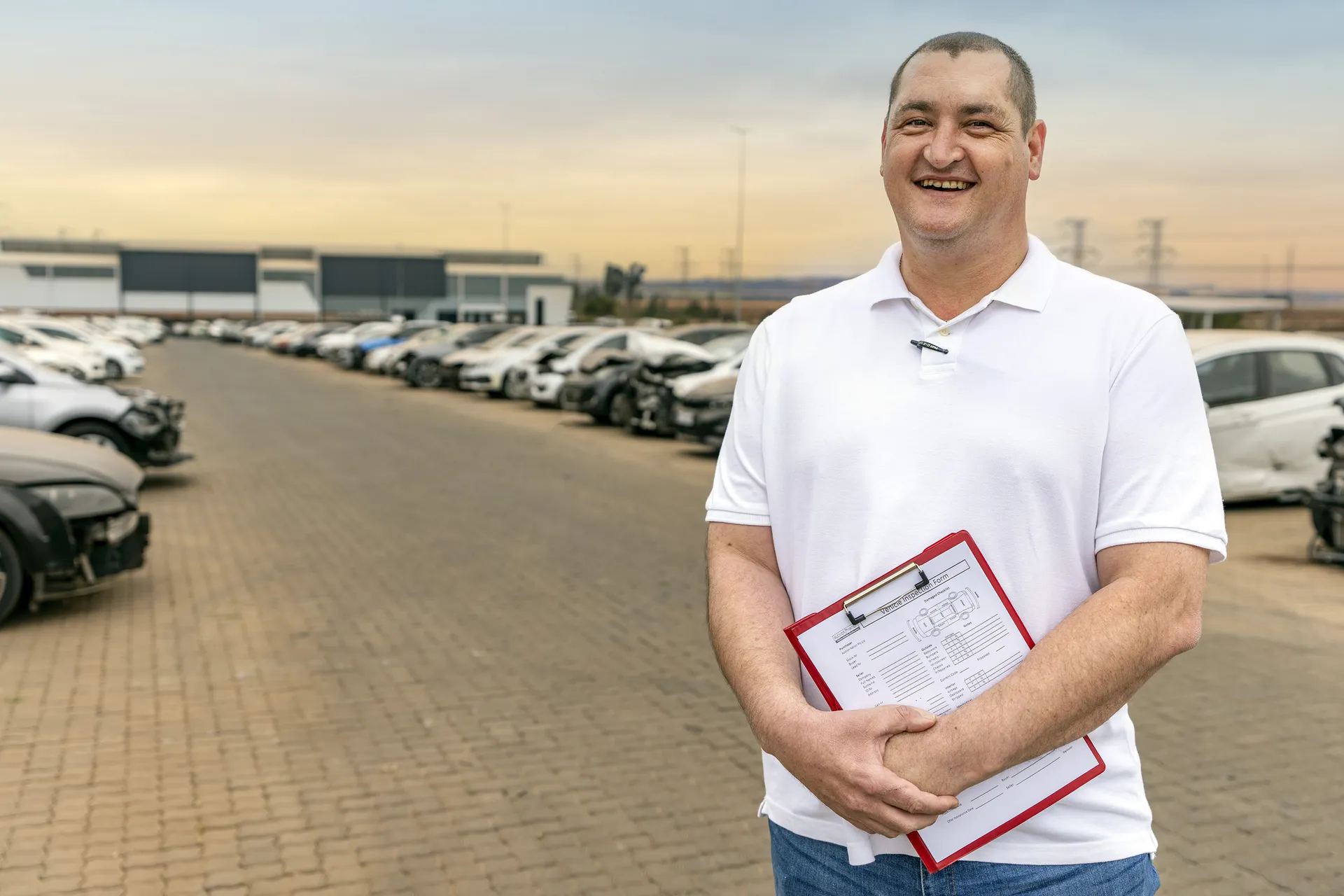
Essential Paperwork
Registration papers, ID, police report and proof of bank details speed up transfer.
Finance & Clearances
Disclose outstanding finance early; obtain settlement figures or lender consent.
Prepare for Collection
Certified copies, keys, photos and service history reduce delays at handover.
Overview: Why the right documents matter
Selling an accident vehicle in South Africa requires clear proof of ownership, identity and the vehicle’s condition. Proper documentation speeds up transfer, protects you from future liabilities and can increase buyer confidence - whether you sell privately, to a trade buyer or to a service that purchases damaged cars nationwide.
Essential documents every seller should have
Below are the core documents typically requested by buyers and registering authorities in South Africa. If any item is missing, note this clearly when getting offers - missing documents can delay transfer or reduce offers.
- Vehicle registration certificate / logbook: Official proof that shows the registered owner and vehicle details (VIN/chassis number, engine number, make and model).
- Seller’s ID: Certified copy of your South African ID or valid passport to prove identity for the transfer process.
- Proof of address: Recent utility bill or bank statement (usually within 3 months) if required by the buyer or the local registering office.
- Written accident report / police case number: If the accident was reported, an incident or police case number and any official reports help clarify the vehicle’s history.
- Service history and receipts (if available): Maintenance and repair invoices support condition statements and can influence valuation.
- Vehicle keys and remote controls: All sets of keys, immobiliser remotes and service books where applicable.
- Bank details: Recent bank account information for receiving payment; confirm account name matches seller’s ID.
How missing documents affect sales
Buyers pay closer attention when registration papers are missing, the vehicle is still under finance, or identity documents are inconsistent. Replacements or certified copies add time and occasionally fees - plan ahead to avoid delays.
Quick reference table: Repair cost vs value retained (illustrative)
| Estimated repair cost (R) | Typical value retained post-repair (estimate) | Implication for selling |
|---|---|---|
| R5,000 - R15,000 | 50%-90% of pre-accident market value | Minor repairs may be worth doing if you want a private sale; otherwise selling as-is is faster. |
| R15,000 - R45,000 | 20%-70% of pre-accident market value | Repair often yields diminishing returns; consider selling to a specialist buyer. |
| R45,000+ | Varies widely - often below 50% of market value | High-cost repairs rarely recover costs; selling as salvage or to a trade buyer is common. |
Notes: Figures are illustrative estimates for South Africa and will vary by make, model, age and local labour/parts costs. Use these to decide whether documentation and repairs are worth pursuing before sale.
Where to get replacements or certified copies
- If registration papers are lost, request a replacement from your local registering authority (eNaTIS-managed offices) - processing times vary by province.
- ID copies should be certified by a commissioner of oaths or a bank official; many buyers request certified copies for verification.
- If the accident was reported to police, obtain an official case number or a copy of the accident report for transparency.
For more on how we collect vehicles and handle transfers, see our About / How it works page which explains paperwork support and nationwide collection.
Practical example (South Africa)
Example: A Johannesburg owner with a 2012 hatchback involved in a moderate front-end accident should gather the registration certificate, ID copy, police case number, and any recent service invoices. If the vehicle is under finance, a settlement figure from the financer may be required (see next section).
If you are preparing a vehicle to sell quickly, organise clear photos and a concise damage description to accompany documentation - this helps buyers make faster offers.
You can also review our homepage for an overview of the services that assist with paperwork and collection across Cape Town, Durban, Johannesburg and other regions.
When the vehicle is under finance or has third-party interests
If there is a finance agreement or an outstanding loan, you must disclose this to buyers. Lenders typically require a settlement statement and will need to be paid out during the transfer. Buyers may request written lender consent or a clearance letter before completing payment and transfer.
Seller tip: vehicles under finance
Contact your financer early to obtain the exact settlement figure and instructions for release of the registration. This avoids surprises on collection day and prevents transfer delays.
Damage types vs typical offer impact
| Damage type | Typical impact on offers | Documents helpful to include |
|---|---|---|
| Cosmetic damage (bumper, panels) | Small reduction; often repairable | Photos, repair quotes, service history |
| Structural / frame damage | Significant reduction; may be classed as written-off | Accident report, engineering or insurer notes if available |
| Mechanical failure / non-running | Varies by fault; non-runners reduce offers due to towing/repair costs | Diagnostic reports, recent invoices, photos of condition |
| Flood or fire damage | Major reduction; buyers treat as salvage | Photos, insurer reports, police case details |
How the transfer and deregistration process usually works
- Agree the sale and ensure identity and ownership documents are correct.
- Complete ownership transfer forms (the buyer or purchaser often prepares these).
- If required, settle any finance or obtain the lender’s consent/documentation.
- Hand over vehicle, keys and certified documents at collection; the new owner or purchaser lodges transfer with the registering authority.
Services that buy accident cars often handle these administrative steps on your behalf, including deregistration, collection and immediate payment verification. For details on how a specialist buyer streamlines these stages see our Sell Non-Running Car and Sell Damaged Cars pages for process details and paperwork support.
Practical checklist before collection
- Original registration papers or certified replacement.
- Certified ID copy and proof of banking details.
- Police case number or accident report, if available.
- Clear photos of damage and vehicle condition for records.
- Set aside any spare keys, service books and relevant receipts.
Final note: rules and document names may vary slightly by province and registering office. When in doubt, request a checklist from the buyer or your local registering authority. Using a buyer that offers nationwide support can reduce uncertainty because they typically assist with eNaTIS-related forms, collection and settlement logistics.
Sources
- South African Government - Registering a vehicle
- RTMC (Road Traffic Management Corporation) - Road and vehicle regulations
- AA South Africa - Advice on selling a car
Data note: any monetary figures in this article are illustrative estimates for South Africa (currency shown as R). Always request exact settlement figures from financiers and check local registering office requirements for up-to-date forms and fees.
Seasoned automotive specialists dedicated to helping you turn your damaged or non-running vehicle into cash fast and hassle-free.
Disclaimer: This content is for educational purposes only. Product availability, pricing, and specifications are subject to change. Always verify current details on the retailer's website before making a purchase. We may earn affiliate commissions from qualifying purchases.
Why sell your damaged car to us?

A Division of Auction Nation, the leading expert in selling damaged cars

Best price for your damaged car

Get a cash offer within 24h

We buy damaged cars in any condition

We buy accident- damaged cars still under finance

Free, no obligation offer on your vehicle
How We Calculate Your Damaged Car’s Value
Wondering how we calculate your car’s value? At Sell Your Damaged Car, we look at: Your car’s real condition, its salvage value, and the current market demand. It’s all about honesty, transparency, and fairness — that’s how we determine your offer.
Frequently Asked Questions
Get answers to common questions about Legal And Paperwork
Why Choose Sell Your Damaged Car?
Free Towing
Need a tow? We got you
Hassle Free
Get a cash offer within 24h!
Nationwide
Somewhere remote? No problem!
