
What Do I Get for Scrapping a Car in SA? Practical Guide for Owners
Understand what scrapping a car in South Africa involves, how valuations are set, legal steps, and ways to maximise what you receive.
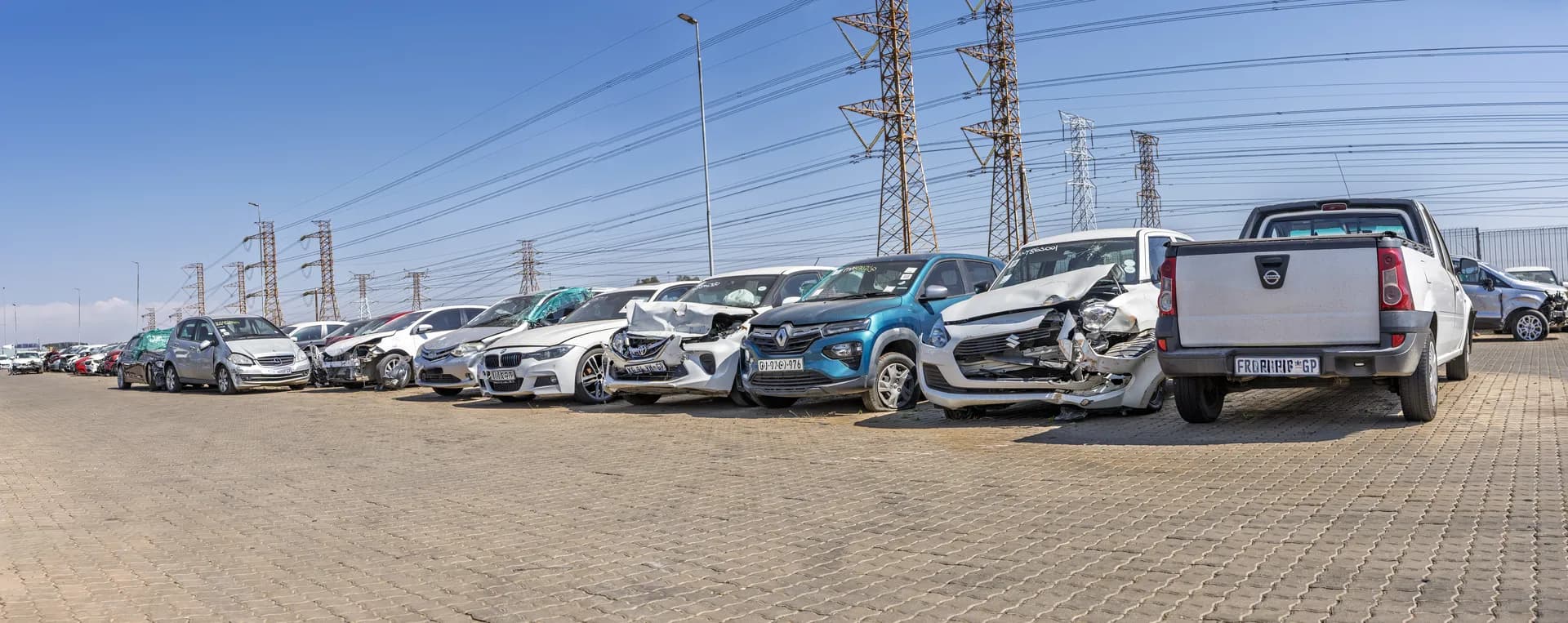
Scrap vs Repair
Choose scrapping when repair costs near or exceed vehicle value.
Key Value Drivers
Engine condition, structural damage and missing parts strongly affect offers.
Legal & Practical Steps
Verify title, check for finance, and insist on paperwork and receipts.
Overview: scrapping vs selling for parts or salvage
When you ask "what do I get for scrapping a car SA", you’re often weighing options: sell whole to a dealer, part it out, hand it to a scrap yard, or use a specialist buyer. Scrapping usually means the vehicle is recycled for metal and components; offers depend on condition, age, market demand and whether the car is complete. This guide explains the differences and the practical steps to make an informed choice in South Africa.
Key factors that determine scrap value
- Completeness of the car (engine, gearbox, catalytic converter presence).
- Extent and type of damage (structural, flood, fire, mechanical).
- Legal status (ownership, outstanding finance, licence discs).
- Local salvage demand - some spare parts are more valuable in metros like Johannesburg, Cape Town and Durban.
Note: scrapping is different from selling a written-off vehicle to a buyer who intends to repair or export it. If you want a simpler route that handles paperwork and collection nationwide, compare specialist options on the site homepage: Sell Your Damaged Car.
When to scrap a car vs repair or sell
Deciding whether to scrap a vehicle comes down to economics, safety and convenience. Scrapping is often the correct choice when repair costs approach or exceed the vehicle’s market value, when the car is non-running with extensive structural damage, or when the vehicle has been written off by insurers.
Repair cost vs retained value (illustrative percentages)
| Estimated Repair Cost (as % of market value) | Typical Value Retained After Repair (as % of market value) |
|---|---|
| Under 20% | 70%-90% (repair often makes sense) |
| 20%-50% | 40%-70% (evaluate resale prospects carefully) |
| Over 50% | Typically under 50% (scrapping or parting out often preferred) |
These figures are illustrative percentages to help decision-making rather than guaranteed outcomes. Local labour and parts costs in South Africa can shift the balance - repairs in smaller towns may be cheaper but resale demand may also be lower.
Common outcomes when scrapping
- Recycling of metal and sale of usable components to breakers.
- Deregistration or transfer paperwork (required for legitimate scrapping).
- Possibility of receiving a competitive cash offer from buyers who handle collection and admin.
If you prefer a route that accepts cars in any condition and arranges towing and paperwork nationwide, detailed service descriptions are available on the Sell Damaged Cars page: Sell Damaged Cars.
How the scrapping process typically works in South Africa
A standard scrapping or salvage sale generally follows these steps: provide vehicle details and proof of ownership, receive a valuation, arrange collection or deliver to a yard, complete transfer/deregistration paperwork and receive payment. Specialist buyers or reputable scrap yards may offer free collection across metros and surrounding areas.
Damage types vs typical offer impact
| Damage Type | Typical Offer Impact |
|---|---|
| Complete, non-running (mechanical) | Moderate impact - engine/gearbox condition matters |
| Structural/frame damage | High impact - lowers resale potential, favours scrapping |
| Flood or fire damage | High impact - many parts unsellable, affects safety compliance |
| Missing key components (catalytic converter, ECU) | Variable impact - valuable parts increase offers if present |
Legal and paperwork considerations in SA
Before scrapping, confirm you hold the vehicle's clear title. Vehicles under finance must have the lender's consent; outstanding finance can complicate or prevent a clean transfer. Legitimate buyers should provide written receipts and help with deregistration or transfer documents to avoid future liability.
For guidance on how specialist buyers manage collections and paperwork, including deregistration, see the service overview at About / How it works. If your car does not run, the Sell Non-Running Car page outlines options for removal and admin: Sell Non-Running Car.
Tips to maximise what you receive for a scrapped car
- Provide clear photos and an honest description - transparency builds trust and can improve valuations.
- Remove personal items and gather paperwork (service history, licence discs, ID and title).
- Ask buyers to confirm whether towing is included and whether they handle deregistration.
- Compare multiple offers, including parting out vs selling whole - sometimes selling usable parts privately gets better returns but needs time and logistics.
What happens after collection
After a reputable buyer collects the vehicle, expect a written receipt, completion of transfer or deregistration documents and payment as agreed. Keep copies of all paperwork; if the vehicle was under finance, ensure the settlement with the lender is confirmed in writing.
Practical experience-based notes for South African sellers
- Metropolitan areas (Johannesburg, Cape Town, Durban) often have higher demand for specific parts; mention location when requesting quotes.
- Some buyers handle export or rebuild markets - clarify the intended end-use if this matters to you.
- Insist on clear receipts and avoid cash-only transactions without documentation.
Sources
- Road Traffic Management Corporation (RTMC) - vehicle registration and transfer guidance
- National Credit Regulator - information on obligations when a vehicle is under finance
- NAAMSA (National Association of Automobile Manufacturers of South Africa) - industry context and market trends
Deciding "what do I get for scrapping a car SA" requires weighing cost, paperwork and timing. Use multiple valuations, confirm legal status and choose a buyer who handles logistics and documentation to reduce hassle and risk.
Seasoned automotive specialists dedicated to helping you turn your damaged or non-running vehicle into cash fast and hassle-free.
Disclaimer: This content is for educational purposes only. Product availability, pricing, and specifications are subject to change. Always verify current details on the retailer's website before making a purchase. We may earn affiliate commissions from qualifying purchases.
Why sell your damaged car to us?

A Division of Auction Nation, the leading expert in selling damaged cars

Best price for your damaged car

Get a cash offer within 24h

We buy damaged cars in any condition

We buy accident- damaged cars still under finance

Free, no obligation offer on your vehicle
How We Calculate Your Damaged Car’s Value
Wondering how we calculate your car’s value? At Sell Your Damaged Car, we look at: Your car’s real condition, its salvage value, and the current market demand. It’s all about honesty, transparency, and fairness — that’s how we determine your offer.
Frequently Asked Questions
Get answers to common questions about Comparison And Alternatives
Why Choose Sell Your Damaged Car?
Free Towing
Need a tow? We got you
Hassle Free
Get a cash offer within 24h!
Nationwide
Somewhere remote? No problem!
