
What Affects the Value of a Salvage Vehicle in South Africa
Discover the key factors that affect a salvage vehicle's value in South Africa, how repair costs compare to retained value, and practical tips to maximise offers.
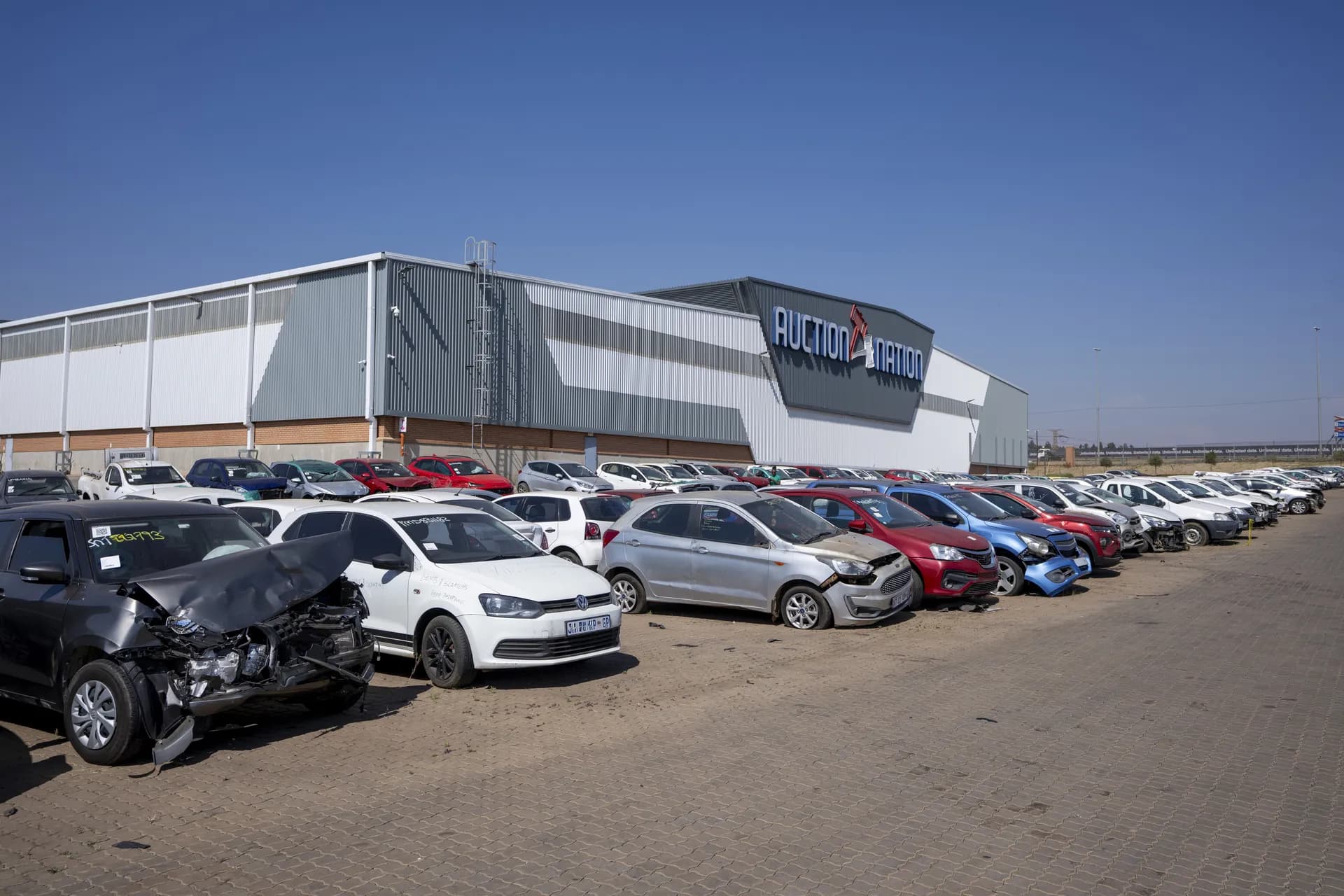
Main Value Drivers
Damage type, mechanical condition, market demand and documentation determine value.
Paperwork Matters
Clear titles, finance settlements and accurate records improve offers.
Location & Logistics
Local parts availability and towing logistics affect buyer pricing.
Overview: what affects the value of a salvage vehicle
Salvage vehicles are cars that have been damaged by collision, flood, fire or mechanical failure and are typically classified by insurers or repairers as uneconomical to repair. The value a buyer or salvage market places on such a vehicle depends on multiple, interacting factors. Knowing these helps South African owners of accident-damaged or non-running cars decide whether to repair, keep or sell. This guide explains the main value drivers in plain language and gives practical examples relevant to Johannesburg, Cape Town, Durban and surrounding areas.
Primary value drivers
- Extent and type of damage (structural vs cosmetic)
- Mechanical condition and whether the engine or gearbox are salvageable
- Vehicle age, make, model and market demand in South Africa
- Availability and cost of replacement parts locally
- Title status (written-off, salvage, or deregistered) and documentation
- Location and logistics for collection or repair (impact on towing and transport costs)
Note: When evaluating what affects the value of a salvage vehicle, buyers factor in immediate repair costs, resale potential of components and the legal steps needed to re-register or deregister the vehicle in South Africa.
When to sell vs repair
A practical test is to compare estimated repair costs to the expected market value after repair. If repair costs approach or exceed the post-repair market value, selling is often more advantageous. For many owners the calculation also includes time, hassle and risk - especially for vehicles under finance or with uncertain certification.
| Scenario | Repair cost (R estimate) | Value retained after repair |
|---|---|---|
| Minor cosmetic damage (panels, lights) | R5,000-R25,000 | High (70-90% of pre-accident value) |
| Moderate structural damage (suspension, moderate frame repair) | R25,000-R70,000 | Medium (40-70% of pre-accident value) |
| Severe structural or fire/flood damage | R70,000+ | Low (often below 40% - sometimes only parts value) |
How the sale process impacts value
Where and how you sell affects offers. Trade buyers, dismantlers and salvage yards all use different pricing models: dismantlers value usable parts, trade buyers consider rebuild costs and resale margin, while insurers/auction houses may price for quick turnover. Offering clear photos, service history and correct documentation typically increases interest and can lead to a more competitive cash offer.
If you want to see how Sell Your Damaged Car works and what documentation is useful, read our About / How it works page for a practical overview.
For a quick valuation or to compare offers for different conditions, start with the homepage form to upload photos and details: Sell Your Damaged Car home.
Legal & paperwork in South Africa
Legal status and paperwork play a big role in valuation. A written-off or salvage title reduces marketability. Buyers will check whether the vehicle can be re-registered, whether there are outstanding finance liens, and whether a police case or insurance claim is still open. In South Africa, deregistration and transfer processes can differ by province, and many buyers discount for the time and admin required.
Key documents and checks
- Vehicle registration documents (logbook / registration certificate)
- Proof of identity and bank details for payment
- Evidence of ownership and settlement if the vehicle is under finance
- Accident or insurance claim documentation where available
If your vehicle is non-running, see the guidance specific to those cases to understand additional paperwork and options: Sell Non-Running Car.
Tips to maximise your offer
- Provide clear, well-lit photos from multiple angles including engine bay and VIN plate
- Be honest and specific about damage - accurate descriptions build trust and reduce downgrades after inspection
- Gather service history, receipts for recent parts and MOT-type inspections if available
- Confirm whether the vehicle is still under finance and include settlement details to avoid delays
- Offer a convenient pickup location - free nationwide towing can be a strong selling point for buyers factoring logistics
Damage types vs typical offer impact
| Damage type | Typical impact on offers |
|---|---|
| Cosmetic (panels, bumper, lights) | Low impact if no structural or mechanical damage |
| Front/rear structural damage (crumple zones) | Moderate to high negative impact; buyers check chassis alignment and repair history |
| Engine or transmission failure | High negative impact unless core units are rebuildable or replaceable at low cost |
| Flood or fire damage | Severe impact; electrical and corrosion concerns make valuation conservative |
What happens after collection
After you accept an offer and the vehicle is collected, buyers typically complete a short inspection on arrival. Payment terms vary but reputable operators arrange verified payment and handle required paperwork such as transfer of ownership or deregistration assistance. If the vehicle was under finance, settlement must be confirmed before full transfer of ownership.
If you are weighing options between a private sale, repair or a specialist buyer, review our Sell Damaged Cars guidance for details on inclusions such as free towing and paperwork handling.
Practical South Africa examples
Example 1: A 2012 mid-range hatch with cosmetic rear damage and sound engine will usually retain value because parts are available and repair costs are modest. Example 2: A luxury 2010 sedan with severe front structural damage may lose most resale value because chassis repair and certification add significant cost and risk. All figures below are estimates; actual offers depend on inspection and market demand in regions such as Gauteng, Western Cape or KwaZulu-Natal.
Sources
- Road Traffic Management Corporation (RTMC) - Vehicle registration and road safety information
- South African Insurance Association (SAIA) - Industry guidance on written-off vehicles
- Automobile Association of South Africa (AA) - Advice on buying and selling damaged vehicles
- Sell Your Damaged Car - About / How the process works
Seasoned automotive specialists dedicated to helping you turn your damaged or non-running vehicle into cash fast and hassle-free.
Disclaimer: This content is for educational purposes only. Product availability, pricing, and specifications are subject to change. Always verify current details on the retailer's website before making a purchase. We may earn affiliate commissions from qualifying purchases.
Why sell your damaged car to us?

A Division of Auction Nation, the leading expert in selling damaged cars

Best price for your damaged car

Get a cash offer within 24h

We buy damaged cars in any condition

We buy accident- damaged cars still under finance

Free, no obligation offer on your vehicle
How We Calculate Your Damaged Car’s Value
Wondering how we calculate your car’s value? At Sell Your Damaged Car, we look at: Your car’s real condition, its salvage value, and the current market demand. It’s all about honesty, transparency, and fairness — that’s how we determine your offer.
Frequently Asked Questions
Get answers to common questions about Damage Types
Why Choose Sell Your Damaged Car?
Free Towing
Need a tow? We got you
Hassle Free
Get a cash offer within 24h!
Nationwide
Somewhere remote? No problem!
