
Western Cape Salvage Car Market: What Sellers Should Know in 2026
Understand supply, demand and paperwork for the Western Cape salvage car market. Practical tips, repair vs sell guidance and steps to get a competitive cash offer.
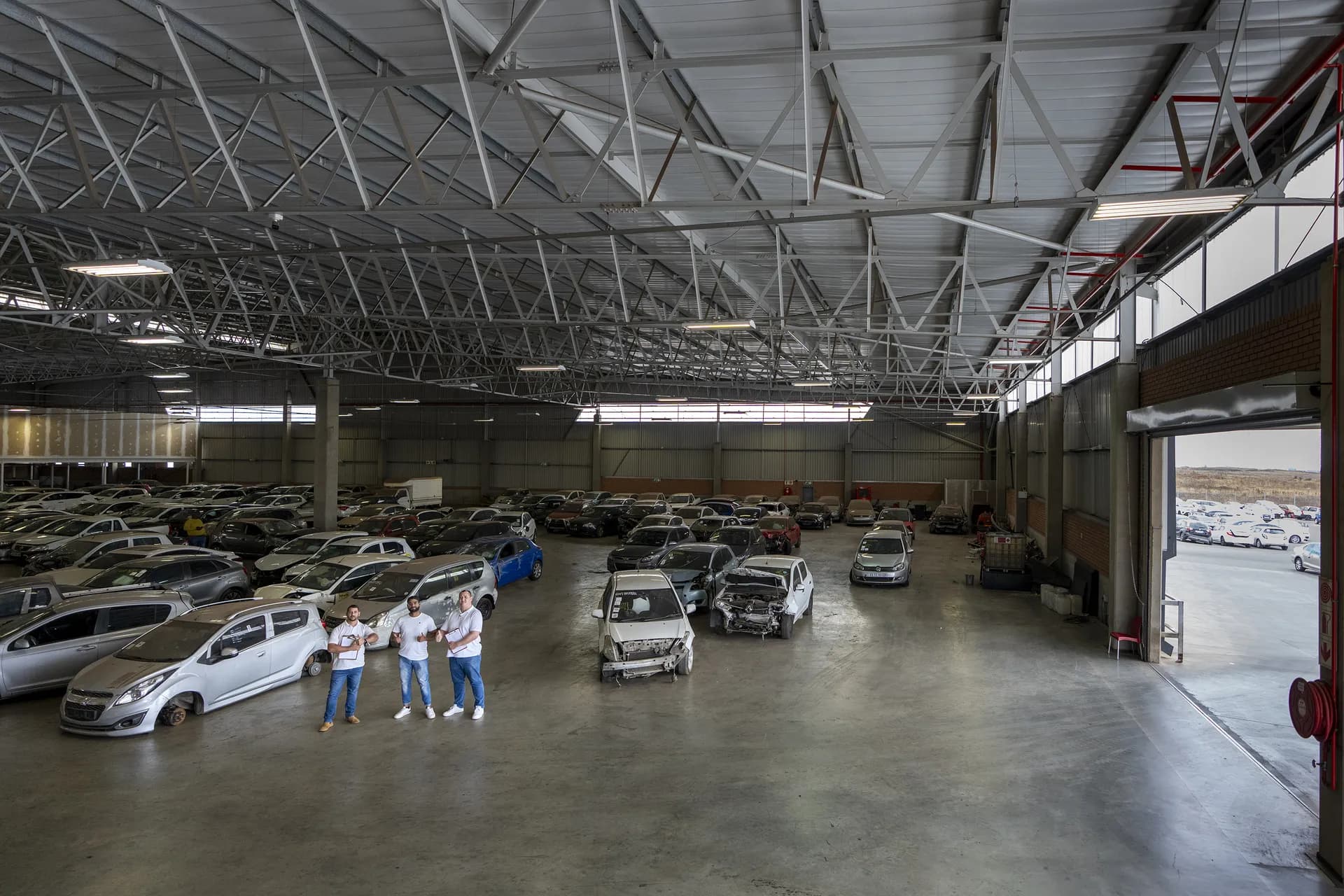
Western Cape Market Snapshot
Demand varies by model, locality and damage type across Cape Town and surrounds.
Repair vs Sell Guidance
If repairs exceed ~50% of value, selling or parting out is often more practical.
Practical Selling Steps
Get online quotes, compare offers, accept, and arrange free towing and paperwork.
Overview: Western Cape salvage car market today
The Western Cape salvage car market covers a broad range of vehicles: accident-written-off, flood-affected, fire-damaged, mechanically-failed and non-running cars. Demand is driven by local repairers, export salvage buyers and parts recyclers in Cape Town, Stellenbosch, Paarl and surrounding areas. If you own a damaged vehicle in the Western Cape, understanding local market dynamics helps you decide whether to repair, part out or sell for cash.
Why regional detail matters
Transport logistics, scrap and parts prices, and buyer concentration differ between the Western Cape and other provinces. Cape Town has a denser buyer base, which can improve offers for popular models; more remote towns may see lower demand and higher towing costs if free collection isn’t arranged. Sell Your Damaged Car offers free towing and nationwide collection, which can remove that regional disadvantage - see our process at the About / How it works page.
Key market drivers in the Western Cape
- Model popularity: Toyotas, Volkswagens and locally common bakkies often attract stronger salvage demand.
- Seasonal factors: Rainy seasons increase flood-related salvage; tourist seasons can affect spare-parts demand.
- Export routes: Cape Town’s port access makes some salvage units more valuable to export buyers.
When to sell versus repair
Deciding to sell or repair depends on the repair cost relative to the car’s post-repair market value, the time you can wait, and regulatory considerations if the car is written off by an insurer. Use realistic repair estimates from local workshops; in many Western Cape cases, repairs above ~50% of the vehicle’s market value tend to favour selling or parting out rather than investing in full repairs.
Repair cost vs value retained
| Scenario (estimate) | Typical repair cost (R) | Value retained after repair (%) |
|---|---|---|
| Minor cosmetic/bumper damage | R3,000 - R12,000 | 90-95% |
| Moderate structural/engine repairs | R20,000 - R60,000 | 50-75% |
| Severe flood or total-loss repairs | R50,000+ | 20-50% |
Figures above are illustrative estimates in R and will vary by make, model year and parts availability in the Western Cape. Where repair costs are high relative to retained value, selling to a salvage buyer or parts recycler is often the pragmatic option. If your car does not run, see our dedicated guidance on selling non-running vehicles at Sell Non-Running Car.
Damage types vs typical offer impact
| Damage type | Offer impact (typical) |
|---|---|
| Front-end cosmetic damage | Moderate impact - higher offers if mechanicals intact |
| Structural/chassis damage | Significant impact - buyers factor in repair complexity |
| Flood or electrical damage | High impact - often sold for parts or scrap |
| Mechanical failure (non-running) | Variable - value improves if core parts are salvageable |
Local selling channels to consider
- Direct salvage buyers and breakers in the Cape Town metro.
- Online specialist buyers who provide free towing and handle paperwork; this reduces logistic friction across the Western Cape.
- Private sale of parts if you can dismantle or have a buyer for specific components.
If you prefer a streamlined sale that removes towing and admin headaches, check our explanation of how the online valuation and collection process works at the Sell Damaged Cars page.
How the process works (practical steps)
A common and efficient route for Western Cape sellers is an online valuation + direct collection model. Typical steps are: submit vehicle details and photos, receive a transparent cash offer, accept if suitable, and schedule free towing. The buyer handles paperwork, collection and payment. This removes the need to travel to a buyer or arrange costly transport.
Legal & paperwork in South Africa (Western Cape context)
Selling a salvage vehicle in the Western Cape requires correct documentation to transfer ownership and, where relevant, deregister the vehicle. If the car is financed, sellers must inform the financier - many salvage transactions need settlement of the outstanding balance before transfer. Reputable buyers handle deregistration paperwork and provide a written receipt and proof of payment. Keep copies of ID, the vehicle registration document, and any insurance or finance settlement records.
Tips to maximise your offer
- Take clear photos: multiple angles, engine bay, interior and close-ups of damage.
- Provide accurate mileage and service history where available - buyers value verifiable records.
- Be transparent about finance or outstanding liabilities to avoid delays at transfer.
- Get multiple quotes if unsure, but factor in collection and admin speed when comparing offers.
Practical example: a 2012 mid-range hatch with moderate front damage and intact drivetrain may attract more interest in Cape Town than the same car in a small town, due to higher local demand and parts buyers nearby. Offers and repair estimates should be treated as ranges; ask for a written breakdown when comparing bidders.
What happens after collection
After the vehicle is collected, a trustworthy buyer will complete transfer documents, settle finance if required, and process deregistration where applicable. Payment is released per the agreed terms - many specialist buyers provide near-instant payment verification once the vehicle is in their custody. Keep your sale receipt and any transfer references for your records and for tax or insurance closure.
Next steps for Western Cape sellers
- Prepare photos and documentation (ID, registration, service records).
- Use an online valuation form to get a baseline offer quickly.
- Compare offers, considering collection, paperwork handling and payment speed.
- Accept the offer and arrange a convenient collection time.
Sources
Seasoned automotive specialists dedicated to helping you turn your damaged or non-running vehicle into cash fast and hassle-free.
Disclaimer: This content is for educational purposes only. Product availability, pricing, and specifications are subject to change. Always verify current details on the retailer's website before making a purchase. We may earn affiliate commissions from qualifying purchases.
Why sell your damaged car to us?

A Division of Auction Nation, the leading expert in selling damaged cars

Best price for your damaged car

Get a cash offer within 24h

We buy damaged cars in any condition

We buy accident- damaged cars still under finance

Free, no obligation offer on your vehicle
How We Calculate Your Damaged Car’s Value
Wondering how we calculate your car’s value? At Sell Your Damaged Car, we look at: Your car’s real condition, its salvage value, and the current market demand. It’s all about honesty, transparency, and fairness — that’s how we determine your offer.
Frequently Asked Questions
Get answers to common questions about LOCATIONS
Why Choose Sell Your Damaged Car?
Free Towing
Need a tow? We got you
Hassle Free
Get a cash offer within 24h!
Nationwide
Somewhere remote? No problem!
