
Ways to Enhance Value of Engine Failure Cars in South Africa
Learn practical, South Africa-specific ways to increase offers for engine-failure cars: documentation, low-cost fixes, buyer types, and legal steps.
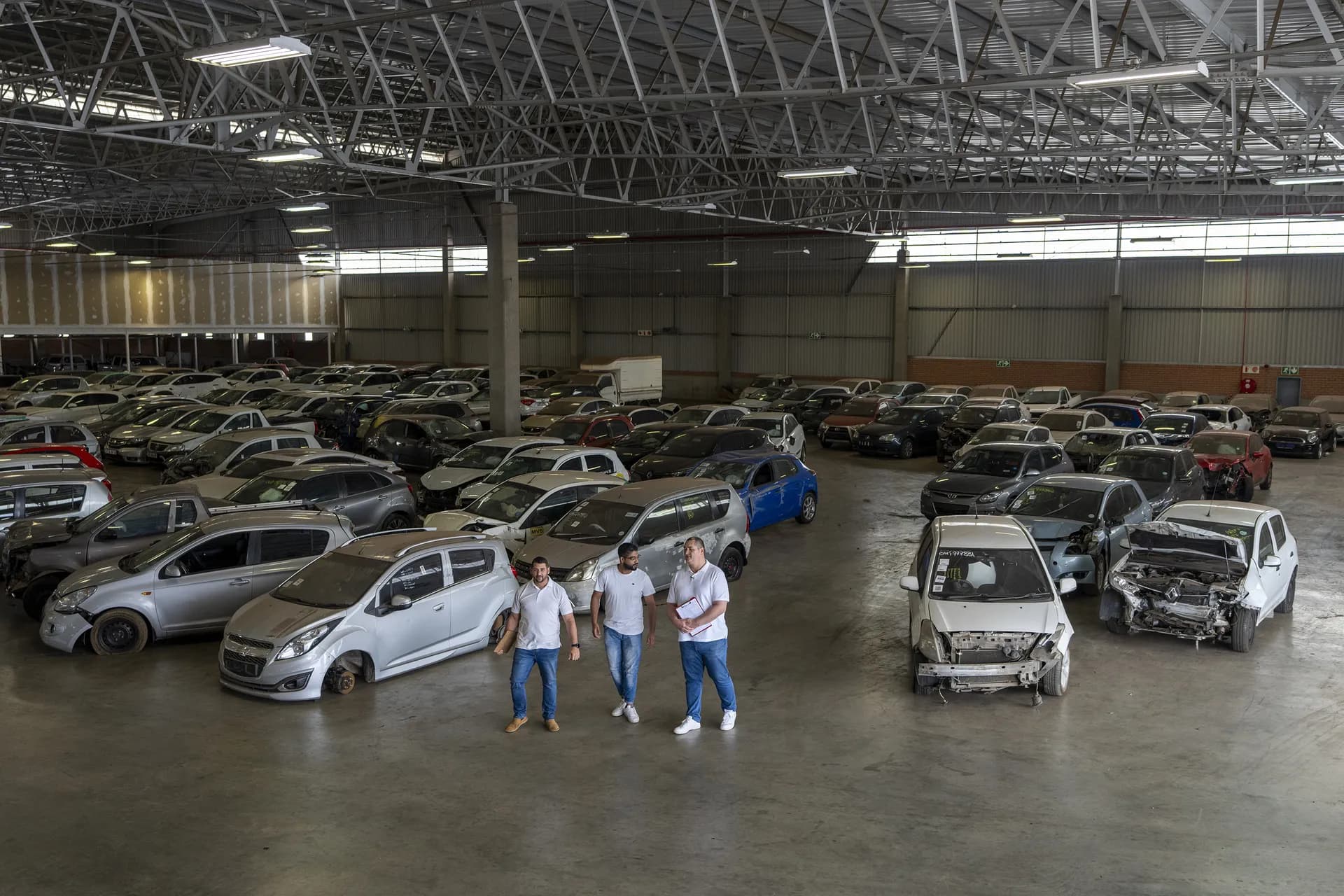
Assess Repair vs Sell
Compare repair estimates to likely resale value before deciding.
Low-Cost Value Boosts
Clear photos, service records and small fixes often increase offers.
Paperwork Matters
Correct documents, finance settlement and deregistration improve buyer confidence.
Overview
If your car has engine failure, you can still take practical steps to enhance its value before selling or parting with it. This guide covers realistic, legal and market-aware strategies tailored to South African vehicle owners - whether you’re in Johannesburg, Cape Town, Durban or a smaller town. We explain how small investments, clear documentation and smart presentation influence offers from private buyers, breakers and professional buyers of salvage vehicles.
When to Sell vs Repair
Deciding between repairing an engine and selling the car as-is depends on repair cost versus retained market value after repair, vehicle age, mileage and demand for parts or salvage. Engine repairs can be costly; for many older cars or high-mileage vehicles, sale as a non-running vehicle or sale for parts is often more economical.
Quick decision checklist
- Estimate repair cost from a reputable local workshop (get two quotes).
- Compare quotes against likely resale value after repair (market asking prices in SA).
- Factor in downtime, tow and storage costs if non-running.
- Consider selling to a specialist buyer if the engine is uneconomical to repair.
Repair cost vs value retained
| Scenario | Typical repair estimate (R) | Approx. value retained after repair |
|---|---|---|
| Minor engine rebuild (popular models) | R8,000 - R18,000 (estimate) | 50-75% of pre-failure market price |
| Full engine replacement (used crate engine) | R20,000 - R45,000 (estimate) | 60-85% of pre-failure market price |
| Older/high-mileage cars (repair uneconomic) | Variable, often >50% of vehicle value | Lower; selling as non-running or for parts is common |
Figures above are illustrative South African estimates and will vary by region and workshop. If estimates consistently exceed likely value gains, selling as-is or to a specialist buyer is often the better option.
How the market treats engine-failure cars
Buyers fall into three broad groups: private buyers prepared to repair, dismantlers/breakers (who value usable parts), and professional salvage buyers who evaluate vehicles for export, parts resale or scrap. Knowing which buyer fits your car helps you target actions that enhance value - for example, proving service history is more valuable to private buyers, while clean removal of high-demand components increases offers from breakers.
Practical note: If you want a clear overview of how specialist buyers operate and what documentation they require, see our How it works page for process details and examples.
Internal links for more info
If your car won’t start, our Sell Non-Running Car guide explains the typical valuation steps buyers use in SA, helping you prioritise which improvements matter most.
Legal & paperwork in South Africa
Proper documentation directly affects perceived risk for buyers and can increase offers. Key items to organise before selling an engine-failure car:
- Valid proof of ownership (registered owner details and vehicle registration documents).
- Service history and receipts where available - show regular maintenance prior to failure.
- Clear records of any parts removed or replaced.
- If the car is under finance, obtain the settlement figure from the financier - many buyers will not complete a purchase until the finance is settled or transferred correctly.
Tips to maximise your offer for engine-failure cars
Small, low-cost actions can increase offers more than you might expect. Focus on low-effort, high-visibility items first.
High-impact actions
- Photograph clearly: include engine bay, dash cluster, service stickers and areas of visible damage. Buyers pay more for transparent listings.
- Remove valuables and loose items; present the car clean. A tidy vehicle signals care and reduces perceived risk.
- Document faults accurately: list symptoms (no-start, knocking, overheating) rather than guessing root cause.
- If possible, make non-engine repairs (lights, tyres, battery) that improve roadworthiness for towing and collection.
Damage types vs typical offer impact
| Issue | Typical impact on offer | What improves the offer |
|---|---|---|
| Seized engine (hydrolock or catastrophic failure) | Significantly lower; often sold for parts or scrap | Provide photos, service history and proof of mileage |
| Intermittent starting / electrical fault | Moderate reduction; repairable issues attract higher offers | Battery, starter and alternator checks; note recent replacements |
| Overheating or head gasket failure | Varies; head gaskets can be repaired but costly | Obtain a mechanic’s estimate to show prospective buyers |
How the process works for selling an engine-failure car
If you choose to sell rather than repair, professional buyers in South Africa typically follow a simple flow: submit vehicle details and photos, receive an indicative offer, accept or negotiate, then arrange free collection and complete paperwork. For an introduction to selling non-running vehicles and the steps buyers expect, see our Sell Damaged Cars information page.
What happens after collection
After collection, buyers will usually:
- Inspect the vehicle at their facility and verify condition against the listing.
- Handle deregistration or transfer paperwork; professional buyers often offer assistance with deregistration in South Africa to reduce seller burden.
- Process payment as agreed - ensure you have bank confirmation and a signed transfer receipt.
If you want to understand the full company process for payments and collection logistics, our homepage describes typical timings and what documents to have ready.
Final practical examples (South Africa scenarios)
Example A: A 2010 hatch with seized engine but full service book in Johannesburg may fetch a better offer from a private buyer or breaker because running gear, interior and body are sound. Example B: A 2004 bakkie with catastrophic failure and missing parts is more likely to be sold to a professional salvage buyer - here, clear ownership and proof of finance settlement (if applicable) speeds the sale and can slightly improve the offer.
Sources
Seasoned automotive specialists dedicated to helping you turn your damaged or non-running vehicle into cash fast and hassle-free.
Disclaimer: This content is for educational purposes only. Product availability, pricing, and specifications are subject to change. Always verify current details on the retailer's website before making a purchase. We may earn affiliate commissions from qualifying purchases.
Why sell your damaged car to us?

A Division of Auction Nation, the leading expert in selling damaged cars

Best price for your damaged car

Get a cash offer within 24h

We buy damaged cars in any condition

We buy accident- damaged cars still under finance

Free, no obligation offer on your vehicle
How We Calculate Your Damaged Car’s Value
Wondering how we calculate your car’s value? At Sell Your Damaged Car, we look at: Your car’s real condition, its salvage value, and the current market demand. It’s all about honesty, transparency, and fairness — that’s how we determine your offer.
Frequently Asked Questions
Get answers to common questions about Tips And Advice
Why Choose Sell Your Damaged Car?
Free Towing
Need a tow? We got you
Hassle Free
Get a cash offer within 24h!
Nationwide
Somewhere remote? No problem!
