
Ways to Document a Post-Accident Vehicle in South Africa
Learn practical ways to document a post-accident vehicle in South Africa: photos, police reports, estimates and organisation tips to support insurance, repair or sale decisions.
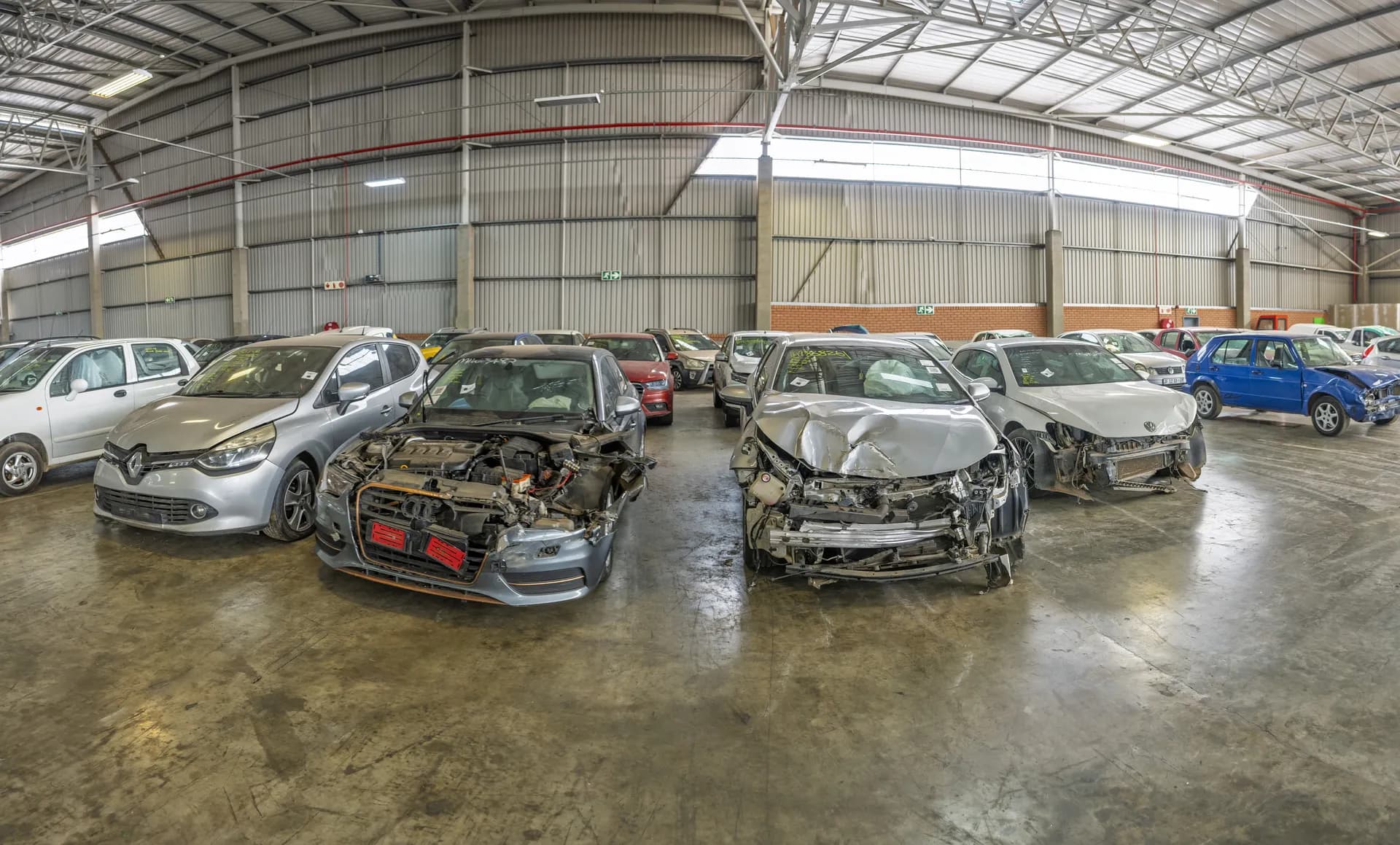
Photograph Everything
Wide and close-up images plus video show the full extent of damage.
Collect Official Documents
Police, assessor and insurance records support claims or sale.
Organise Files & Backups
A clear digital folder speeds quotes, offers and paperwork.
Overview: Why documenting matters after an accident
After an accident, thorough documentation is one of the most practical steps you can take. Good records protect you when dealing with insurers, the police, mechanics, buyers or finance houses. Whether you plan to repair the vehicle, claim from insurance, or consider selling it as-is, documenting condition and events gives you evidence-based options and helps secure a fair outcome.
Immediate actions at the scene
- Check for injuries and call emergency services if needed. Safety first.
- Report to the police if required (serious injury, theft, major damage) and request an official case or accident number.
- Take clear photos and short video clips of the vehicle from multiple angles, the scene, road markings, signage, and other vehicles involved.
- Exchange contact, vehicle and insurance details with other parties and obtain witness names if possible.
What to capture photographically
- Wide shots of the whole vehicle from front, rear and both sides to show overall damage.
- Close-ups of specific damage (broken lights, crumpled panels, glass, fluid leaks) with a ruler or object for scale if possible.
- Odometer reading, VIN/engine number plate, keys and any dashboard warnings or lights.
- Photos of documents left in the vehicle (service stickers, receipts) and obvious pre-existing damage if present.
Written records and timelines
Record date, time, GPS location or street names, weather and light conditions, and a brief timeline of events in your phone notes or paper. If you speak to witnesses, note their statements and contact details. Keep copies of tow receipts and any interim repairs or assessments.
Official documents to secure
- Police accident report or case number (if one is issued) - important for insurance and legal records.
- Insurance claim reference and assessor reports.
- Tow paperwork, repair estimates, invoices and receipts for any parts or labour.
Digital organisation and backups
Create a dedicated folder on your phone or cloud storage for all photos, videos and scanned documents. Use timestamps and descriptive filenames (for example: 2026-01-15_front_damage.jpg). That folder becomes essential if you later decide to sell the car; potential buyers or car buyers will ask for photos and written evidence of condition.
How documentation affects repair vs sell choices
Detailed records make it easier to get multiple repair estimates and compare repair cost against the vehicle’s market value. If repair estimates approach or exceed a significant portion of the vehicle’s pre-accident value, selling may be a practical option. For guidance on selling non-running vehicles, see the Sell Non-Running Car page for what buyers typically need to see.
| Repair cost range (estimate) | Typical impact on retained value | When to consider selling |
|---|---|---|
| R5,000 - R20,000 | Minor impact; retains most market value | Repair often viable if no structural damage |
| R20,000 - R60,000 | Moderate impact; value reduced depending on model/age | Compare quotes; document everything to support decisions |
| R60,000+ | Significant impact; may be written off by insurers | Selling as-damaged can be more practical; documentation speeds offers |
Notes: figures are illustrative estimates in South African Rand (R) and will vary by vehicle age, make/model and market demand. If you are uncertain whether to repair, documented photos and quotes will improve any buyer or insurer assessment.
For more detail on what we buy and how condition affects offers, visit our Sell Damaged Cars page.
When to sell vs repair: practical decision points
Deciding whether to repair or sell depends on repair cost, vehicle value before the accident, safety and time. If repair costs are a high percentage of the pre-accident market value, or the vehicle has structural/frame damage, many owners choose to sell. Documented evidence (photos, assessor notes, invoices) helps you get transparent quotes and strengthens negotiations with buyers or insurers.
Damage types and how they typically affect offers
| Damage type | Typical offer impact | Documentation that helps |
|---|---|---|
| Cosmetic (panels, paint) | Lower impact if purely cosmetic | High-quality photos; estimates |
| Structural/frame | Significant impact; may be written off | Assessor report; photos from multiple angles |
| Mechanical (engine, transmission) | High impact; non-running status reduces market options | Diagnostic reports; start/attempt-to-start video |
| Flood or fire | Severe impact; often sold to salvage market | Detailed photos; assessor/insurance notes |
How the selling process benefits from good documentation
If you decide to sell, a complete folder of photos, assessments and paperwork accelerates valuation and increases transparency. Buyers-whether private, trade or specialist services-rely on documentation to produce competitive cash offers quickly. If you want to learn how a buyer handles collection, paperwork and payment, see our explanation on the How it works page.
Legal and paperwork considerations in South Africa
- Police report: Obtain a case/accident number when applicable; insurers and buyers often request it.
- Insurance correspondence: Keep claim numbers, assessor reports and settlement letters.
- Vehicle registration and deregistration: If you sell the vehicle, ensure the transfer or deregistration is completed; buyers that handle paperwork can speed this process and reduce your administrative load.
- Vehicles under finance: Notify your finance provider. Selling a vehicle with outstanding finance requires settling or arranging consent from the creditor; full documentation protects both parties.
Practical tip: If you plan to get offers from professional buyers, include unedited photos, the police case number (if issued), and recent repair/inspection estimates. That transparency speeds valuation and reduces the chance of later disputes.
What happens after collection (if you sell)
Once a buyer collects the vehicle, typical steps include finalising necessary transfer or deregistration paperwork, confirming settlement of any finance or lien, and releasing payment. Sellers should keep copies of signed transfer documents and proof of payment. If the buyer arranges towing and admin, documentation you prepared before sale helps them complete these tasks quickly.
Checklist to maximise offers (practical items)
- High-resolution photos (multiple angles) and video showing starting attempts or dashboard lights.
- Police and insurance references, assessor and repair estimates, receipts for recent maintenance.
- Clear records of vehicle history, service book stamps and MOT-like certificates where available.
- Notes on known faults and a transparent description - honesty reduces risk and speeds offers.
If you need a practical route to convert well-documented vehicles into competitive cash offers with nationwide collection, learn more via our Sell Your Damaged Car homepage. Proper documentation makes that process faster and more transparent for everyone involved.
Sources
Seasoned automotive specialists dedicated to helping you turn your damaged or non-running vehicle into cash fast and hassle-free.
Disclaimer: This content is for educational purposes only. Product availability, pricing, and specifications are subject to change. Always verify current details on the retailer's website before making a purchase. We may earn affiliate commissions from qualifying purchases.
Why sell your damaged car to us?

A Division of Auction Nation, the leading expert in selling damaged cars

Best price for your damaged car

Get a cash offer within 24h

We buy damaged cars in any condition

We buy accident- damaged cars still under finance

Free, no obligation offer on your vehicle
How We Calculate Your Damaged Car’s Value
Wondering how we calculate your car’s value? At Sell Your Damaged Car, we look at: Your car’s real condition, its salvage value, and the current market demand. It’s all about honesty, transparency, and fairness — that’s how we determine your offer.
Frequently Asked Questions
Get answers to common questions about Tips And Advice
Why Choose Sell Your Damaged Car?
Free Towing
Need a tow? We got you
Hassle Free
Get a cash offer within 24h!
Nationwide
Somewhere remote? No problem!
