
Valuation Trends for Accident Cars in South Africa - What Owners Should Know
Understand valuation trends for accident cars in South Africa. Learn what affects offers, when to sell vs repair, paperwork steps and tips to improve valuations.
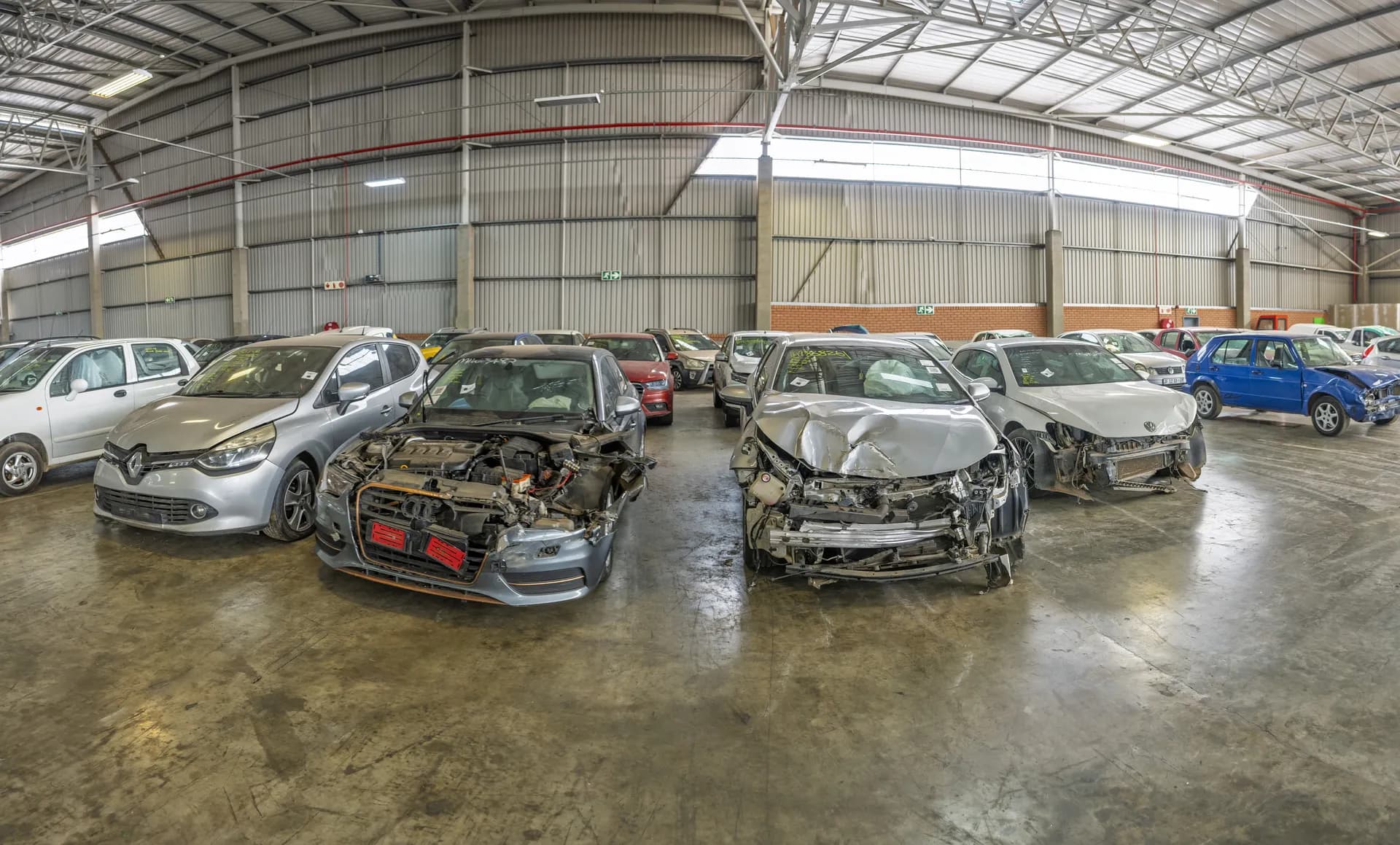
Why Valuations Vary
Offers depend on damage type, demand for parts and regional salvage markets.
Repair vs Sell Guidance
Compare likely repair cost to retained value to decide the best route.
Prepare to Improve Offers
Clear photos, service history and honest descriptions help secure better valuations.
Overview: valuation trends for accident cars
Valuation trends for accident cars in South Africa reflect a mix of market supply, insurance write-offs, parts demand and seasonal shifts. Owners of damaged, non-running or written-off vehicles need to understand how these factors influence cash offers, salvage values and the time it takes to sell. This guide explains recent patterns, what typically affects valuations and practical examples using South African currency (R) where helpful. Figures shown are illustrative estimates based on common market behaviour, not firm offers.
Key drivers of accident-car values
- Severity and location of damage (structure, engine, cosmetic).
- Vehicle age, make and model - high-demand parts retain value better.
- Mileage and service history.
- Regional salvage demand - parts are often worth more in major metros.
- Regulatory and insurance classification (written-off vs repairable).
South Africa context: Salvage markets are concentrated in Johannesburg, Cape Town and Durban. This can mean faster sales and slightly higher offers in metros due to parts demand and logistics. We explain how this affects valuations below.
Repair cost vs value retained (typical ranges)
| Estimated repair cost (R) | Typical value retained after repair (%) | Notes (SA market) |
|---|---|---|
| R5,000 - R15,000 | 70% - 90% | Minor cosmetic & bracket repairs; resale impact minimal in many models. |
| R15,000 - R50,000 | 40% - 75% | Moderate panel/assembly work; trade buyers factor in repair quality. |
| R50,000+ | 0% - 50% | Major structural or engine work often classed as write-off by insurers; salvage channels preferred. |
Use these ranges to compare estimated repair costs against likely retained market value. For many older cars, repairs above R50,000 often result in poor net value retention - owners may prefer salvage sale routes instead of paying for repairs.
Damage types vs typical offer impact
| Damage type | Typical effect on offer | Why (South African market) |
|---|---|---|
| Minor panel & bumper | Small reduction | Parts readily available; repairs straightforward in metros. |
| Structural/frame damage | Large reduction / write-off | Safety concerns and high repair costs reduce marketability. |
| Engine/transmission failure | Moderate to large reduction | High-cost repairs; parts demand exists but labour is costly. |
| Flood or fire damage | Significant reduction / salvage | Electronics and interiors often irreparably affected; classified differently by insurers. |
For owners considering options, learn how the practical sale process works and what documentation is needed in the next section. For a clear view of our buying process and nationwide coverage, see the About & How It Works page on our site: About / How it works and the overview of which vehicles we buy: Sell Damaged Cars.
When to sell versus repair
Deciding whether to repair or sell an accident car depends on repair estimates, remaining vehicle value and your personal needs. Consider selling when repair costs approach or exceed the estimated retained value after repair, or if the vehicle is under finance and the lender valuation is unfavourable. For non-running cars, the specialised route of selling as-is often saves time and lowers risk compared with arranging expensive repairs.
Practical South African scenarios
- Older bakkies with frame damage: salvage parts demand may exist in Gauteng and KwaZulu-Natal; selling to salvage buyers can be quicker than sourcing costly structural repairs.
- Newer city cars with cosmetic damage: minor repairs may be cost-effective if resale for private sale is intended.
- Flood-damaged vehicles after heavy rains: often classified as total loss by insurers and carry high electrical repair risk.
How the process works for selling accident cars
Most contemporary online buyers follow a predictable process: submit vehicle details and photos, receive an indicative valuation, accept an offer, then arrange collection and final paperwork. This approach reduces logistical hassle and gives owners a transparent snapshot of market valuation trends for accident cars before committing to repair or sale.
Step-by-step example (typical)
- Upload vehicle details and photos (make, model, year, odometer, damage description).
- Receive an indicative offer based on condition and salvage demand.
- Accept offer; buyer confirms free collection and handles paperwork such as transfer or deregistration where applicable.
- Vehicle is collected and payment processed.
If you want to compare selling an immobile vehicle directly, see the Sell Non-Running Car information for specifics on how non-starters are handled: Sell Non-Running Car.
Legal & paperwork considerations in South Africa
In SA, sellers must ensure correct ownership documentation and follow prescribed transfer or deregistration steps. If the vehicle is financed, inform the finance provider - settlement or transfer instructions will affect the net cash position. Many professional buyers help with deregistration and transfer paperwork to reduce admin burden, and some operate nation-wide collection to streamline the handover.
What to prepare
- Vehicle registration document (green book) or proof of ownership.
- Clear photos of damage, VIN/chassis number and odometer.
- Loan/finance details if applicable, and ID/bank details for payment.
Tips to maximise your offer
Small actions can improve offers without major expense. Clean interior/exterior where possible, supply a concise damage summary, and include multiple clear photos from different angles. Highlight service history and recent parts replacements - even accident cars with good service records often attract stronger offers.
Practical checklist
- Photograph damage areas plus full-vehicle shots in daylight.
- Provide accurate build details and list any recent maintenance receipts.
- Be transparent about accident history - accurate info supports faster, fairer valuations.
What happens after collection
After collection, buyers typically inspect the vehicle for consistency with the description, complete transfer or deregistration steps, and process payment. In regional contexts like Johannesburg or Cape Town, resale or dismantling hubs can quickly turn salvage into parts sales, which is a key reason offers vary by location.
For an overview of services and nationwide coverage that reflect these valuation realities, review our homepage and company process: Sell Your Damaged Car home and the Sell Damaged Cars information for examples of conditions we commonly buy: Sell Damaged Cars.
Final notes on reading valuation trends
Valuation trends for accident cars shift with parts supply, seasonality and regional demand. Use local market data and multiple indicative offers to make informed choices. If you rely on estimates, present clear photos and accurate details to get the most realistic valuations.
Sources
Seasoned automotive specialists dedicated to helping you turn your damaged or non-running vehicle into cash fast and hassle-free.
Disclaimer: This content is for educational purposes only. Product availability, pricing, and specifications are subject to change. Always verify current details on the retailer's website before making a purchase. We may earn affiliate commissions from qualifying purchases.
Why sell your damaged car to us?

A Division of Auction Nation, the leading expert in selling damaged cars

Best price for your damaged car

Get a cash offer within 24h

We buy damaged cars in any condition

We buy accident- damaged cars still under finance

Free, no obligation offer on your vehicle
How We Calculate Your Damaged Car’s Value
Wondering how we calculate your car’s value? At Sell Your Damaged Car, we look at: Your car’s real condition, its salvage value, and the current market demand. It’s all about honesty, transparency, and fairness — that’s how we determine your offer.
Frequently Asked Questions
Get answers to common questions about News Updates
Why Choose Sell Your Damaged Car?
Free Towing
Need a tow? We got you
Hassle Free
Get a cash offer within 24h!
Nationwide
Somewhere remote? No problem!
