
How Used Parts Demand Is Driving Damaged Car Sales in South Africa
Discover how demand for used parts affects offers for damaged cars in South Africa, when to sell versus repair, and practical tips to maximise your cash offer.
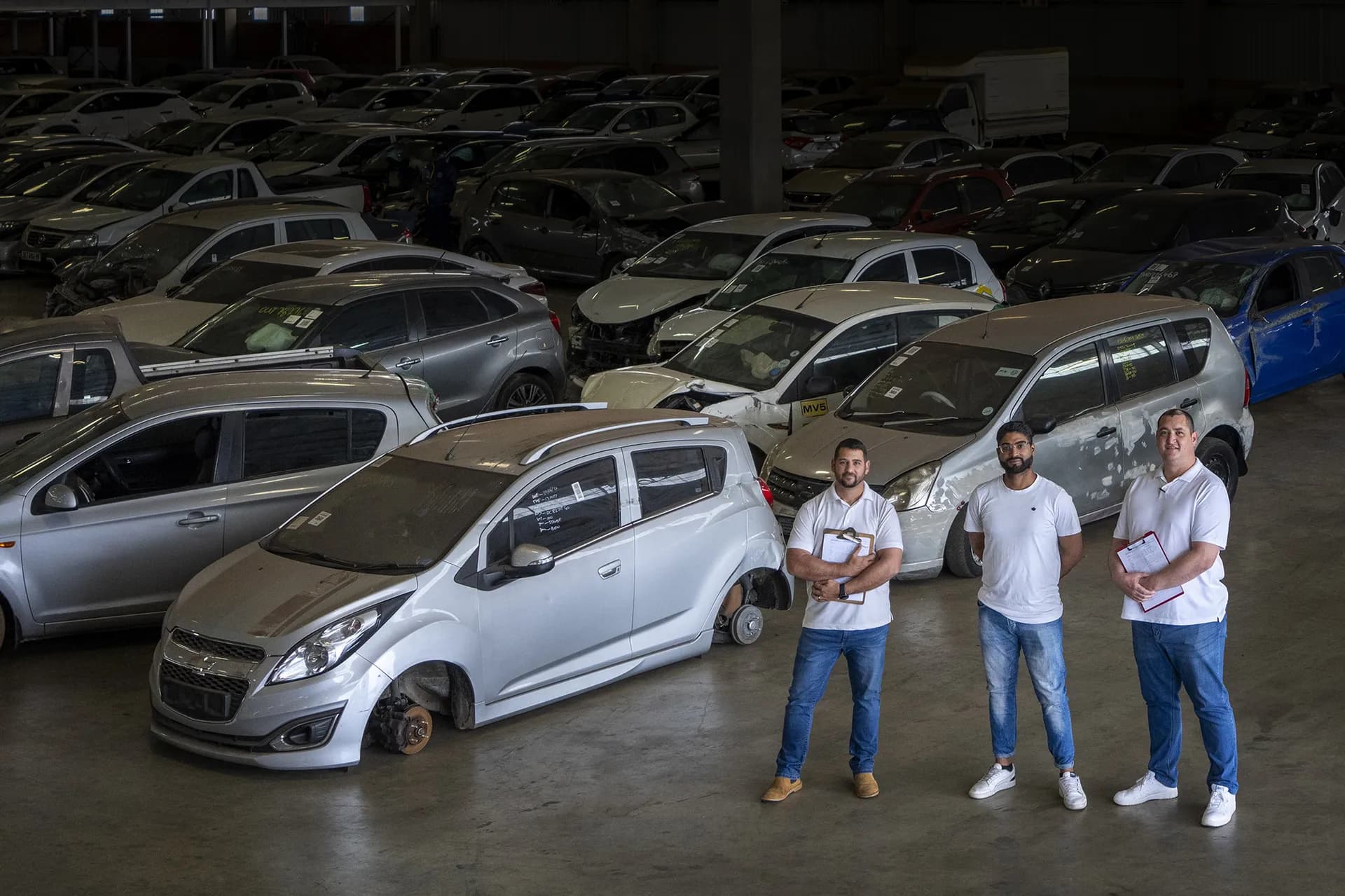
Parts demand raises offers
High-value components like engines and gearboxes can boost salvage offers.
Sell vs repair checklist
Compare repair cost, parts value and time to decide the best route.
Nationwide, paperwork handled
Specialist buyers arrange free towing, deregistration and fast payment.
Overview: used parts demand driving damaged car sales
Across South Africa the demand for quality used parts - driven by cost-conscious motorists, age of the vehicle fleet and repair-shop needs - has a direct effect on how damaged and non-running cars are valued and sold. When parts are in demand, a vehicle that might otherwise be costly to repair can still attract a competitive cash offer because buyers factor parts resale into their valuation.
This guide explains the dynamics of the used-parts market, how that demand affects your options when your car is accident-damaged, and practical steps South African owners can take to get the most from a sale. We reference real SA considerations such as free nationwide towing offers, deregistration, and the salvage market context.
Why used parts matter for damaged car sales
Used parts reduce repair costs for third parties and provide a predictable resale value for buyers. For example, a low-mileage engine or an intact gearbox from a written-off vehicle can be worth a significant portion of the overall car’s market value, which raises buyer interest in salvage purchases. This is why vehicles with salvageable major components often receive stronger offers than those with purely cosmetic damage.
Market factors shaping demand in South Africa
- Age of the vehicle park: Older vehicles increase demand for spare parts that are no longer produced new.
- Service costs: High labour or OEM-part costs make used parts an economical alternative.
- Regional demand: Parts sought in metros such as Johannesburg, Cape Town and Durban often command higher margins.
- Condition of specific components: Intact powertrains, ECUs, catalytic converters and trim pieces usually drive interest.
Note: demand varies by make, model and part condition. Offers reflect current salvage pricing and local demand rather than a fixed rule.
Repair cost vs retained value - quick reference
| Scenario | Estimated repair cost (R) | Value retained after repair (%) |
|---|---|---|
| Minor cosmetic damage | R3,000-R10,000 | 80-95% |
| Front-end structural & airbag repair | R20,000-R60,000 | 40-70% |
| Engine or transmission failure | R15,000-R80,000 | 20-70% (depends on replacement cost) |
Estimates above are illustrative for South Africa and will vary by make, model year and parts availability; amounts are shown in R and are ranges, not guarantees.
When to sell vs repair: practical SA scenarios
Deciding whether to repair or sell depends on repair costs, the value of usable parts, and your personal circumstances (time, risk tolerance, and whether the car is under finance). If repair estimates approach or exceed a large portion of the vehicle’s pre-accident market value, selling for parts or salvage is often the better financial choice.
Damage types vs typical offer impact
| Damage type | Typical impact on offers |
|---|---|
| Cosmetic (doors/bumper) | Low impact if mechanicals intact; moderate offers. |
| Structural/frame | High impact; parts buyers may salvage engines/transmissions only. |
| Powertrain intact, body damaged | Stronger offers due to engine/gearbox resale value. |
If you’re unsure, a quick online valuation or expert inspection can clarify whether usable parts will lift the offer. For a clear picture of how we buy non-running vehicles, see our Sell Non-Running Car page.
Understanding how a service handles logistics is also important; learn about our process on the About / How it works page.
How the process works when used parts influence valuation
A typical buyer assessing a damaged car will separate the vehicle into salvageable categories: reusable major components, reusable trim and electricals, and scrap metal. Where high-demand parts exist, buyers may offer more because they can recover those parts and resell them. Sell Your Damaged Car evaluates these factors and provides transparent offers based on component condition and market demand.
Step-by-step selling workflow
- Upload vehicle details and photos via the homepage form.
- Receive an immediate indicative offer based on condition and parts demand.
- Accept the offer; paperwork and deregistration handled for you.
- Free towing arranged nationwide; payment released after collection and verification.
Start by using the quick upload on our homepage to see how parts demand affects your offer.
Legal & paperwork considerations in South Africa
Selling a damaged car involves transfer of ownership, settlement of any outstanding finance and often deregistration with the relevant authorities. If the vehicle is under finance, you must inform the finance provider; many buyers will coordinate settlement so the sale can proceed. Services that handle paperwork reduce administrative risk and speed up payment.
Tips to maximise your offer
- Provide clear photos of salvageable components (engine bay, odometer, interior, ECU labels).
- List OEM part numbers if available; this helps buyers identify high-value parts quickly.
- Be honest about repair history and water or fire exposure; transparency builds trust and avoids delays.
- Compare offers from reputable buyers who include towing and paperwork handling to see net proceeds.
What happens after collection
After the vehicle is collected, the buyer inspects the parts and completes paperwork such as the transfer of ownership. Payment is then verified and released. If parts demand was a key factor in the offer, the buyer will prioritise dismantling, testing and listing high-value components for resale to recoup costs.
Practical examples from South Africa
Example: a 2010 compact hatch with a written-off front end but an intact engine and gearbox can attract higher interest in Johannesburg and Durban, where local repair shops seek second-hand powertrains. Conversely, a vehicle heavily damaged by flood may lose value for many parts, reducing offer levels despite being otherwise recent.
Final considerations
Used-parts demand is an important driver of damaged car sales in South Africa. If you prioritise speed, minimal paperwork and fair, transparent offers that reflect parts value, selling to a specialist can be the practical option. For more detail on selling accident-damaged vehicles, see our Sell Damaged Cars page.
Sources
Seasoned automotive specialists dedicated to helping you turn your damaged or non-running vehicle into cash fast and hassle-free.
Disclaimer: This content is for educational purposes only. Product availability, pricing, and specifications are subject to change. Always verify current details on the retailer's website before making a purchase. We may earn affiliate commissions from qualifying purchases.
Why sell your damaged car to us?

A Division of Auction Nation, the leading expert in selling damaged cars

Best price for your damaged car

Get a cash offer within 24h

We buy damaged cars in any condition

We buy accident- damaged cars still under finance

Free, no obligation offer on your vehicle
How We Calculate Your Damaged Car’s Value
Wondering how we calculate your car’s value? At Sell Your Damaged Car, we look at: Your car’s real condition, its salvage value, and the current market demand. It’s all about honesty, transparency, and fairness — that’s how we determine your offer.
Frequently Asked Questions
Get answers to common questions about Selling Guides
Why Choose Sell Your Damaged Car?
Free Towing
Need a tow? We got you
Hassle Free
Get a cash offer within 24h!
Nationwide
Somewhere remote? No problem!
