
Used Car Parts Value 2025 - South Africa Market Outlook
Understand used car parts values in South Africa for 2025: market drivers, repair vs parting decisions, estimated value ranges (R), and SA paperwork considerations.
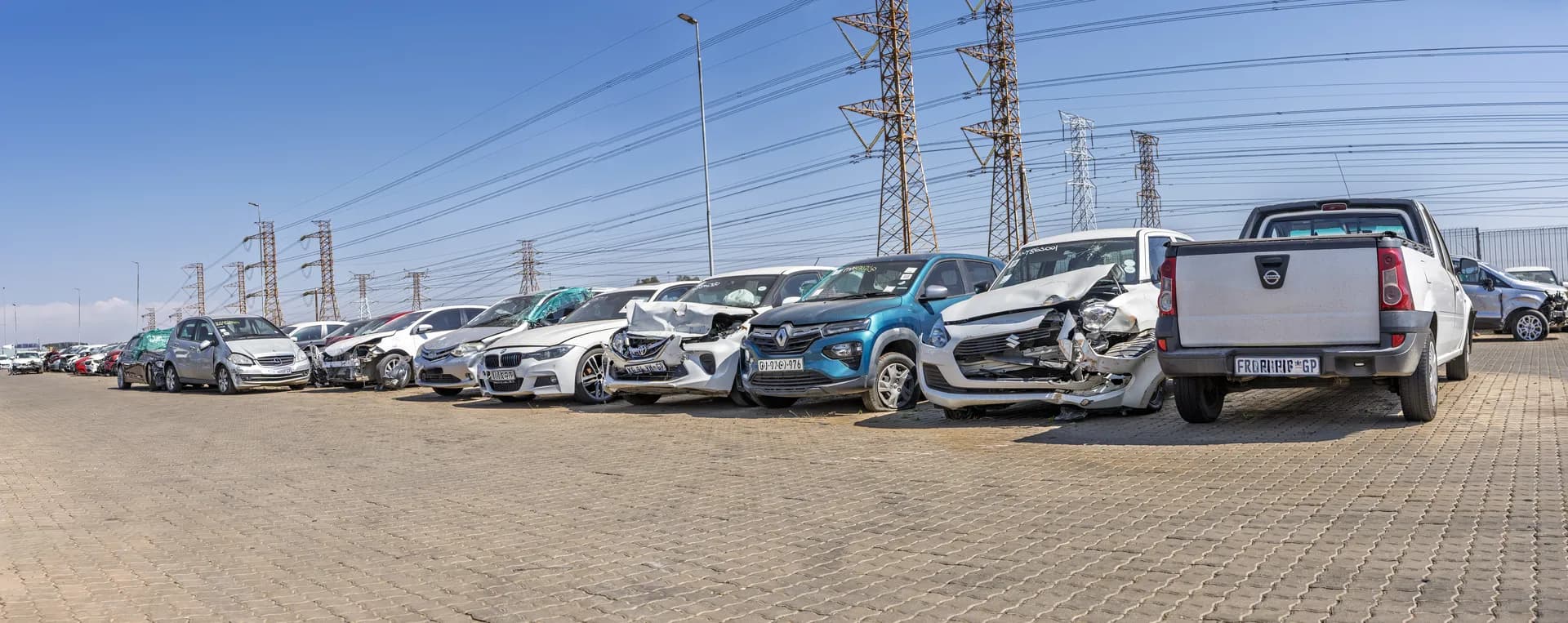
2025 Parts Market Drivers
Supply constraints, demand for late-model components and regional demand shape values.
Repair vs Parting Decisions
Compare repair cost with retained value to decide if selling parts is better.
SA Paperwork Matters
Deregistration, finance settlements and honest descriptions affect proceeds.
Overview: What shapes used car parts value in 2025 (SA)
Used car parts value in 2025 in South Africa depends on supply, demand, vehicle parc composition and regulatory factors. Continued pressure on new-vehicle supply chains since recent global disruptions, combined with rising costs for new parts, has supported demand for good-condition secondhand components. However, parts value is highly variable by part type, vehicle make/model, age, mileage and regional demand in metros such as Johannesburg, Cape Town and Durban.
This guide covers typical value drivers for 2025, gives practical examples in R (estimates), compares repair cost vs retained value, and explains salvage-market context and paperwork considerations in South Africa. Figures are illustrative ranges based on market observation and industry reports; actual valuations vary by condition and model.
Key 2025 value drivers
- Demand for late-model components (2015+) - high for engines, transmissions and electronic modules.
- Scrap metal and catalytic converter prices influence core part values.
- Local availability of compatible donor vehicles - stronger in major metros.
- Regulatory and insurance trends affecting written-off vehicles and salvage processing.
Note: The ranges below are indicative. Values depend on model, condition, and demand. Use them as planning figures, not definitive offers.
Repair cost vs retained value (typical examples, R, 2025 estimates)
| Repair Type | Typical Repair Cost (R) | Value Retained After Repair (%) |
|---|---|---|
| Minor panel repair & paint (small dent) | R2,000 - R8,000 | 5 - 12% |
| Front-end structural repair (moderate) | R15,000 - R45,000 | 10 - 30% |
| Engine rebuild or replacement | R25,000 - R120,000 | 20 - 60% |
Interpretation: when repair costs approach or exceed expected retained value and market demand, owners often choose salvage or parting out. For older vehicles the effective return from repairs can be low; in those cases selling for parts or to a specialist buyer can be more economical.
Damage types vs typical offer impact (2025, indicative)
| Damage Type | Typical Impact on Part Values | Notes |
|---|---|---|
| Minor cosmetic | Low to moderate reduction | Panels and trim still sell well if repairable or used for donor swaps. |
| Structural/frame damage | High impact; lowers whole-vehicle offers | Engine, gearbox and electronics may still command healthy prices if undamaged. |
| Water/flood damage | Severe for electronics; salvage value varies | Mechanical parts may be salvageable after overhaul; electronics often written off. |
For greater context on how professional buyers handle non-running vehicles and written-off stock, see our About / How it works page and the Sell Non-Running Car guide for practical process notes.
When to sell parts vs repair the vehicle
Deciding whether to repair or sell parts depends on two calculations: estimated repair cost and expected retained market value after repair. For vehicles older than about 8-10 years (or high-mileage units), parting out can recover a larger percentage of remaining value than full repairs. For late-model vehicles with high-demand components (turbo engines, DPF-equipped diesels, modules), selling individual parts may be especially lucrative.
Practical examples (South Africa, illustrative)
- Common engine swap for a 2012-2016 2.0 petrol: used long-block value range R12,000 - R35,000 depending on mileage and warranty from the seller.
- Catalytic converters: prices fluctuate with precious-metal markets; 2025 saw elevated interest, but values vary extensively by model and converter type.
- Airbags and ECU modules: high replacement cost new means quality used items remain in demand from repairers.
How the parting or salvage process commonly works in SA
A typical pathway is inspection, valuation, acceptance, collection and processing. Specialist buyers assess component condition and demand, provide a transparent offer and then collect the vehicle. When you sell a vehicle for parts or salvage, expect the buyer to handle dismantling, certification of components and eventual resale or recycling.
Legal & paperwork considerations in South Africa
In South Africa, transferring ownership or confirming a vehicle is off the road requires correct documentation. If a vehicle is deregistered or written off, buyers and sellers must follow provincial licensing procedures. Vehicles under finance require settlement with the financier before a free transfer can occur; failing to do so complicates legally transferring ownership of salvaged vehicles.
For a practical walkthrough of collection, paperwork handling and deregistration when selling a non-running or damaged vehicle, review our Sell Damaged Cars page. If you want a broad entry point to the company's services and nationwide coverage, see the Sell Your Damaged Car homepage.
Tips to maximise your parts value in 2025 (SA owners)
- Document condition: take clear photos of high-value parts (engine bay, dashboards, ECUs) and note mileage.
- Keep service records: buyers pay a premium for documented maintenance history.
- Separate reusable parts: preserve wiring harnesses, sensors and modules in a clean, dry place where possible.
- Be honest about damage: accurate descriptions speed valuation and avoid offer adjustments at collection.
What happens after collection
After collection, professional buyers typically inspect and catalogue parts, perform any required minor reconditioning, and list components to trade or fitment networks. Recyclable materials and scrap are sent to licensed recyclers. Payment timing and method depend on the buyer's policy-many operators settle after collection and verification of condition.
Example flow for a fleet owner: a small business in Durban sells a written-off delivery van for parts; the buyer collects, pays after paperwork and then resells the transmission and body panels to local fitment shops - enabling faster recovery of capital for the fleet operator.
Tips for evaluating offers and avoiding avoidable losses
- Compare multiple valuations - demand varies between regions and buyers.
- Ask about collection costs and paperwork handling; these reduce Net proceeds if charged to you.
- Verify buyer credentials and references, especially for high-value components.
- If the vehicle is under finance, get written confirmation of settlement procedure before transfer.
Sources
- NAAMSA - New vehicle and industry trends (South Africa)
- Statistics South Africa - Economic indicators and sector data
- RTMC / Provincial licensing information - vehicle registration and deregistration
Final note: used car parts value in 2025 in South Africa remains an active and regional market. For owners weighing repair versus sale, gather multiple valuations, document part condition carefully and factor in paperwork and collection logistics to make the best choice for your vehicle and situation.
Seasoned automotive specialists dedicated to helping you turn your damaged or non-running vehicle into cash fast and hassle-free.
Disclaimer: This content is for educational purposes only. Product availability, pricing, and specifications are subject to change. Always verify current details on the retailer's website before making a purchase. We may earn affiliate commissions from qualifying purchases.
Why sell your damaged car to us?

A Division of Auction Nation, the leading expert in selling damaged cars

Best price for your damaged car

Get a cash offer within 24h

We buy damaged cars in any condition

We buy accident- damaged cars still under finance

Free, no obligation offer on your vehicle
How We Calculate Your Damaged Car’s Value
Wondering how we calculate your car’s value? At Sell Your Damaged Car, we look at: Your car’s real condition, its salvage value, and the current market demand. It’s all about honesty, transparency, and fairness — that’s how we determine your offer.
Frequently Asked Questions
Get answers to common questions about Comparison And Alternatives
Why Choose Sell Your Damaged Car?
Free Towing
Need a tow? We got you
Hassle Free
Get a cash offer within 24h!
Nationwide
Somewhere remote? No problem!
