
Understanding the Fleet De-fleeting Process in South Africa - A Practical Guide
Learn how to plan and execute fleet de-fleeting in South Africa: decide repair vs sell, manage paperwork, arrange collection and recover cash efficiently.
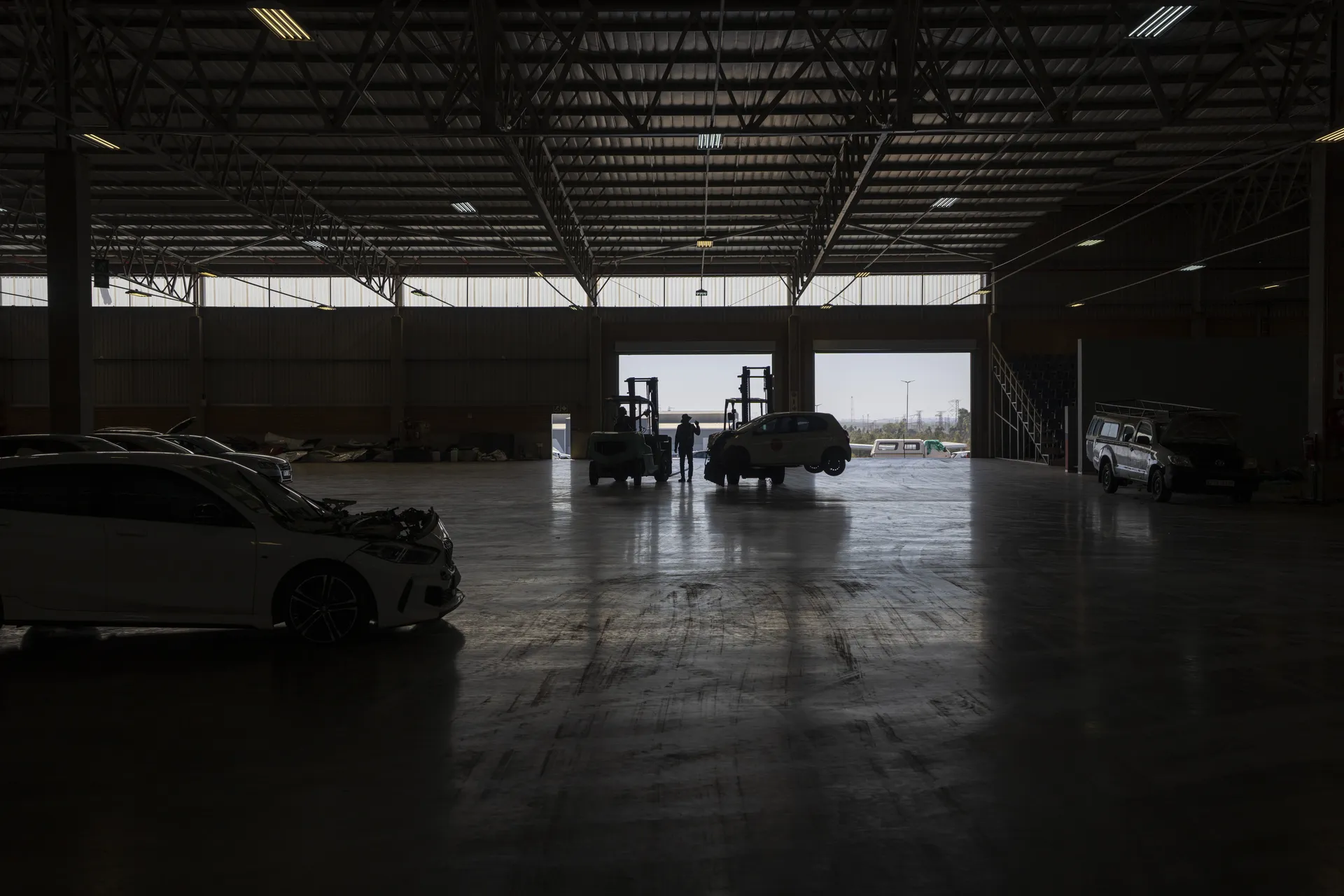
Overview: What is fleet de-fleeting?
Fleet de-fleeting is the planned removal and disposal of vehicles from a business fleet. The process includes assessing condition, deciding whether to repair, sell, or scrap, and completing administrative tasks such as deregistration and transfer. For South African fleet managers - from small delivery fleets in Cape Town to large corporate fleets in Johannesburg and Durban - a streamlined de-fleeting process reduces downtime, cuts holding costs and ensures compliance with local regulations.
When de-fleeting is triggered
- End of lease or rental period.
- Age and mileage thresholds reached.
- Serious accident or write-off status.
- Persistent mechanical failures or uneconomical repair costs.
- Changes in fleet strategy or vehicle replacement cycles.
Key stakeholders in the de-fleeting workflow
- Fleet manager - decision-maker on repair vs sell.
- Workshop or assessor - provides repair estimates and condition reports.
- Finance/insurance - for vehicles under finance or with claims.
- Sales or remarketing partner - handles disposal and sale logistics.
- Collection and transport providers - for towing non-running vehicles.
Repair cost vs retained value (example table)
| Scenario | Estimated Repair Cost (R) | Estimated Retained Market Value After Repair (R) | Decision Guidance |
|---|---|---|---|
| Moderate mechanical fault, running | R8,000-R15,000 | R60,000-R90,000 | Repair if uptime is essential; consider sale if costs approach 20%+ of value. |
| Major accident damage, non-running | R40,000-R120,000 | R20,000-R60,000 | Often economical to de-fleet and sell as salvage or to specialist buyers. |
| High-mileage, multiple faults | R15,000-R40,000 | R5,000-R30,000 | Generally better to sell: repair offers low return on investment. |
South Africa note
Figures shown are illustrative and reflect typical South African market ranges. Exact valuations depend on make, model, region (Cape Town, Durban, Johannesburg markets differ), and salvage demand.
When to sell vs repair within a fleet
Deciding to repair or sell a fleet vehicle should balance operational needs, cashflow, and long-term replacement strategy. Use these practical criteria:
Financial tests
- Repair cost as a percentage of current market value (commonly a 20-30% threshold).
- Projected downtime cost (lost revenue, driver idle time).
- Tax and accounting implications for fleet disposal.
Operational tests
- Availability of replacement vehicles in the short term.
- Safety and legality concerns - written-off vehicles may not return to road use without inspection and compliance.
- Impact on service levels and customer commitments.
Other considerations
- Vehicles under finance: coordinate with lenders to determine payout and transfer steps.
- Insurance claims: consider whether settlement is quicker than repair and disposal routes.
- Environmental and disposal regulations for scrapping parts and fluids in South Africa.
How the de-fleeting process works - practical steps
- Condition assessment: Document mechanical, structural and cosmetic issues with photos and a written report.
- Valuation and options: Compare repair estimates, internal resale value and salvage offers from specialist buyers.
- Choose the disposal route: Repair and retain, sell on trade/private market, sell to a specialist salvage buyer, or scrap.
- Arrange collection and transport: For non-running or damaged units, secure towing. Prefer partners who offer nationwide collection across South Africa to simplify logistics.
- Complete paperwork and financial close: Handle title transfer, deregistration where applicable, settle finance liens and release payment.
Damage types vs typical offer impact
| Damage Type | Typical Impact on Offer | Notes for Fleet Managers |
|---|---|---|
| Structural/frame damage | Significant reduction | Often classified as write-off; selling as salvage is common. |
| Engine/major mechanical failure | Moderate to large reduction | Value depends on repair cost and parts demand. |
| Flood or fire damage | Large reduction | Often sold to specialist buyers; full disclosure required. |
| Cosmetic damage | Small reduction | Repair often worthwhile if quick and low-cost. |
Legal & paperwork checklist for South Africa
- Confirm ownership and any outstanding finance with the lender; obtain a clearance or payoff figure where necessary.
- Complete Notice of Change of Ownership forms and submit to the registering authority; arrange deregistration if the vehicle will be scrapped.
- Keep records of sale, deregistration and payment for audit and tax purposes.
- Provide full disclosure of damage to buyers and in documentation to meet consumer and industry standards.
Tips to maximise fleet recovery
- Centralise de-fleeting decisions to ensure consistent valuation thresholds and documentation.
- Use specialist buyers who offer free towing and handle paperwork to save time and reduce costs.
- Photograph and log damage immediately after incidents to support insurance and sale listings.
- Consider bulk-sale arrangements for high-volume de-fleeting to access better per-unit returns.
What happens after collection
After a buyer collects a de-fleeted vehicle, they will usually complete any remaining paperwork (transfer of ownership, release of finance if applicable) and settle payment. For salvaged vehicles, collection partners typically transport to repairers, dismantlers or export channels depending on demand. Ensure you receive and store payment confirmation and transfer records for your fleet audit trail.
Sources
- National Road Traffic Management Corporation (RTMC) - South Africa
- Nedbank Fleet Services - Fleet management guidance (South Africa)
- SARS - Tax and disposal implications for business assets
- Sell Damaged Cars - Sell Your Damaged Car vehicle disposal services
- Sell Non-Running Car - Sell Your Damaged Car collection and paperwork services
Seasoned automotive specialists dedicated to helping you turn your damaged or non-running vehicle into cash fast and hassle-free.
Disclaimer: This content is for educational purposes only. Product availability, pricing, and specifications are subject to change. Always verify current details on the retailer's website before making a purchase. We may earn affiliate commissions from qualifying purchases.
Why sell your damaged car to us?

A Division of Auction Nation, the leading expert in selling damaged cars

Best price for your damaged car

Get a cash offer within 24h

We buy damaged cars in any condition

We buy accident- damaged cars still under finance

Free, no obligation offer on your vehicle
How We Calculate Your Damaged Car’s Value
Wondering how we calculate your car’s value? At Sell Your Damaged Car, we look at: Your car’s real condition, its salvage value, and the current market demand. It’s all about honesty, transparency, and fairness — that’s how we determine your offer.
Frequently Asked Questions
Get answers to common questions about Selling Guides
Why Choose Sell Your Damaged Car?
Free Towing
Need a tow? We got you
Hassle Free
Get a cash offer within 24h!
Nationwide
Somewhere remote? No problem!
