
Understanding Fire-Damage Car Offers in South Africa: What Affects Valuation
Learn how fire damage affects cash offers in South Africa, what buyers assess, legal paperwork, and practical tips to improve your offer for a damaged vehicle.
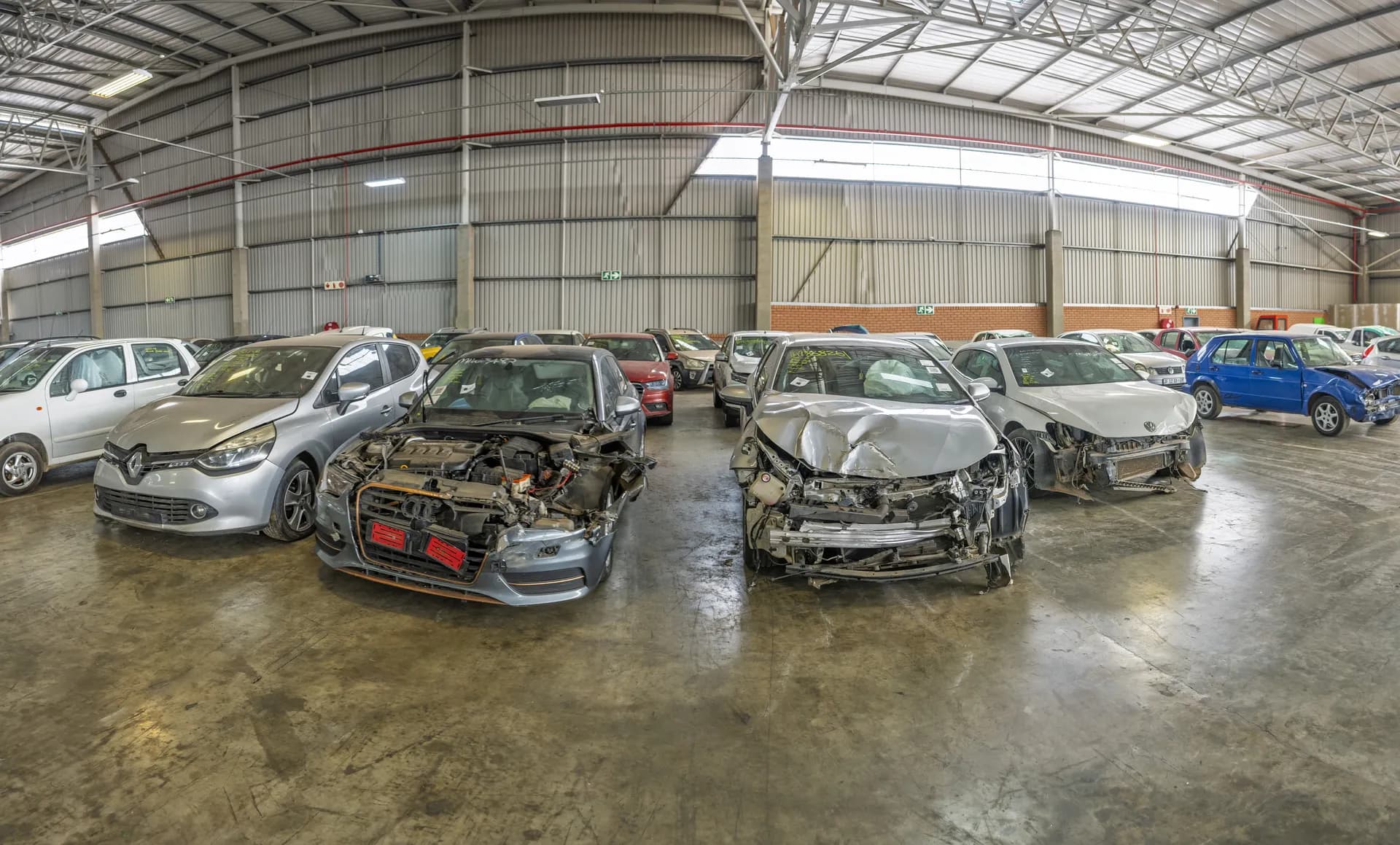
Why fire damage matters
Fire affects wiring, electronics and safety - buyers price these risks in.
Documents and disclosure
Clear photos, service history and finance status improve offer accuracy.
South Africa specifics
Free towing, deregistration help and salvage demand differ by region.
Overview: What 'fire-damage car offers' mean
Understanding fire damage car offers in South Africa starts with recognising that offers reflect three main factors: the vehicle's pre-loss market value, the extent of fire-related damage, and the demand in the local salvage market. Buyers - including specialist services - price in repairability, parts resale potential, safety concerns and administrative costs such as deregistration and transfer. For South African sellers, regional market variations (Johannesburg, Cape Town, Durban and surrounding areas) and transport costs into salvage hubs can also affect the offer.
Why fire damage is assessed differently
Unlike collision damage, fire can affect multiple systems: wiring looms, plastic components, interior trim, engine seals and electronic modules. Even where bodywork looks repairable, hidden heat damage may render parts unsafe or uneconomical to restore. Buyers will therefore look beyond visible panels to evaluate replacement costs and the safety of restoring the vehicle.
Key buyer considerations
- Extent of visible burn and smoke damage to the cabin and engine bay.
- Condition of wiring harnesses and electronic control units (ECUs).
- Structural or chassis impact from heat exposure.
- Availability and cost of replacement parts locally in South Africa.
- Documentation status: valid logbook, outstanding finance, or write-off records.
When to sell versus attempt repair
Deciding whether to repair a fire-damaged car or sell it for parts/salvage depends on estimated repair cost versus the car's market value and safety after repair. If repair estimates approach or exceed a large portion of the pre-loss value, selling is often the pragmatic choice. For many owners in South Africa, factors like access to specialised repairers, insurance write-off status and the logistical cost of repairs influence the decision.
Repair cost vs value retained (example table)
| Typical Repair Range (R) | Estimated Value Retained After Repair | When selling may be better |
|---|---|---|
| R5,000 - R25,000 | Most value retained (dependent on model) | Minor interior or plastic melt - consider repair |
| R25,000 - R75,000 | Significant reduction; marketability drops | Major wiring/ECU or engine bay damage - often sell |
| R75,000+ | Limited retained value; high safety costs | Extensive structural or whole-vehicle fire - sell to salvage market |
South Africa note: Repair cost estimates above are illustrative ranges and will vary by make, model and parts availability. Labour rates and parts in metros (Johannesburg, Cape Town, Durban) may be lower or higher than in more remote areas.
For an impartial view of whether to sell or repair, specialist buyers who handle fire-damaged vehicles can provide a competitive cash offer and manage logistics like free towing and paperwork. For more detail on what we buy and how the process works, see our Sell Damaged Cars page and our company About & How it works overview.
How the process works for fire-damaged cars
A transparent process makes it easier to compare offers. Typical steps a buyer follows when making a fire-damage car offer:
- Initial online valuation from photos and a damage description.
- Follow-up inspection (if required) or more detailed remote checks of VIN and service history.
- Offer issued that reflects salvage value, parts resale potential and dismantling costs.
- If accepted, buyer arranges paperwork and free towing, then completes transfer and payment.
Damage types vs typical offer impact
| Damage Type | What buyers look for | Typical impact on offer |
|---|---|---|
| Cabin smoke only | Interior salvageable; electronics may be OK | Smaller reduction, competitive cash offer possible |
| Engine bay heat | Wiring harness, ECU, fuel system concerns | Significant reduction; parts market value key |
| Structural/frame fire | Safety compromised; limited road restoration | Major reduction; typically sold for scrap/salvage |
Legal & paperwork considerations in South Africa
Selling a fire-damaged car in South Africa involves paperwork similar to other vehicle sales, but with extra attention to write-off status and finance. Buyers should confirm whether the vehicle is listed as a write-off by an insurer, and sellers must disclose all known damage. If the vehicle is still under finance, the outstanding balance must be settled or arranged with the financier before transfer.
Specialist buyers often handle deregistration and transfer tasks; this reduces admin for the seller and lowers the risk of post-sale disputes. For guidance on selling non-running cars or detailed sale pages, consider visiting our Sell Non-Running Car page or return to our homepage for an overview of services.
Tips to maximise your offer
- Provide clear, well-lit photos of the engine bay, cabin and VIN plate to speed up accurate offers.
- Share maintenance records and service history - documented upkeep can improve perceived salvage value.
- Be transparent about the event (type of fire, time since incident) to avoid delays during inspection.
- Confirm whether the buyer includes free towing and handles deregistration; these reduce your outlays.
- If under finance, disclose the creditor early so settlement or payout options can be prepared.
What happens after collection
After you accept an offer, a reputable buyer will arrange vehicle collection (often nationwide with free towing), complete the necessary transfer paperwork or deregistration, and release payment. In South Africa, payment timing varies but many specialist buyers provide fast payment once paperwork is verified. Retain copies of all documents and confirm bank clearance before considering the transaction final.
Final practical example
A Cape Town owner with a small hatchback that suffered engine-bay heat damage might receive a lower offer than a similar car with cabin-only smoke damage because replacement ECUs and wiring are costly. Conversely, if the same car has a complete documented service history and intact VIN and panels, a buyer may offer a more competitive cash offer based on parts resale potential. Each case is judged on condition, documentation and local salvage demand.
Sources
Seasoned automotive specialists dedicated to helping you turn your damaged or non-running vehicle into cash fast and hassle-free.
Disclaimer: This content is for educational purposes only. Product availability, pricing, and specifications are subject to change. Always verify current details on the retailer's website before making a purchase. We may earn affiliate commissions from qualifying purchases.
Why sell your damaged car to us?

A Division of Auction Nation, the leading expert in selling damaged cars

Best price for your damaged car

Get a cash offer within 24h

We buy damaged cars in any condition

We buy accident- damaged cars still under finance

Free, no obligation offer on your vehicle
How We Calculate Your Damaged Car’s Value
Wondering how we calculate your car’s value? At Sell Your Damaged Car, we look at: Your car’s real condition, its salvage value, and the current market demand. It’s all about honesty, transparency, and fairness — that’s how we determine your offer.
Frequently Asked Questions
Get answers to common questions about Damage Types
Why Choose Sell Your Damaged Car?
Free Towing
Need a tow? We got you
Hassle Free
Get a cash offer within 24h!
Nationwide
Somewhere remote? No problem!
