
Understanding Damaged Car Depreciation in South Africa - What Owners Need to Know
Learn how accident, flood, fire or mechanical damage affects vehicle value in South Africa, when to repair vs sell, and practical steps to minimise losses.
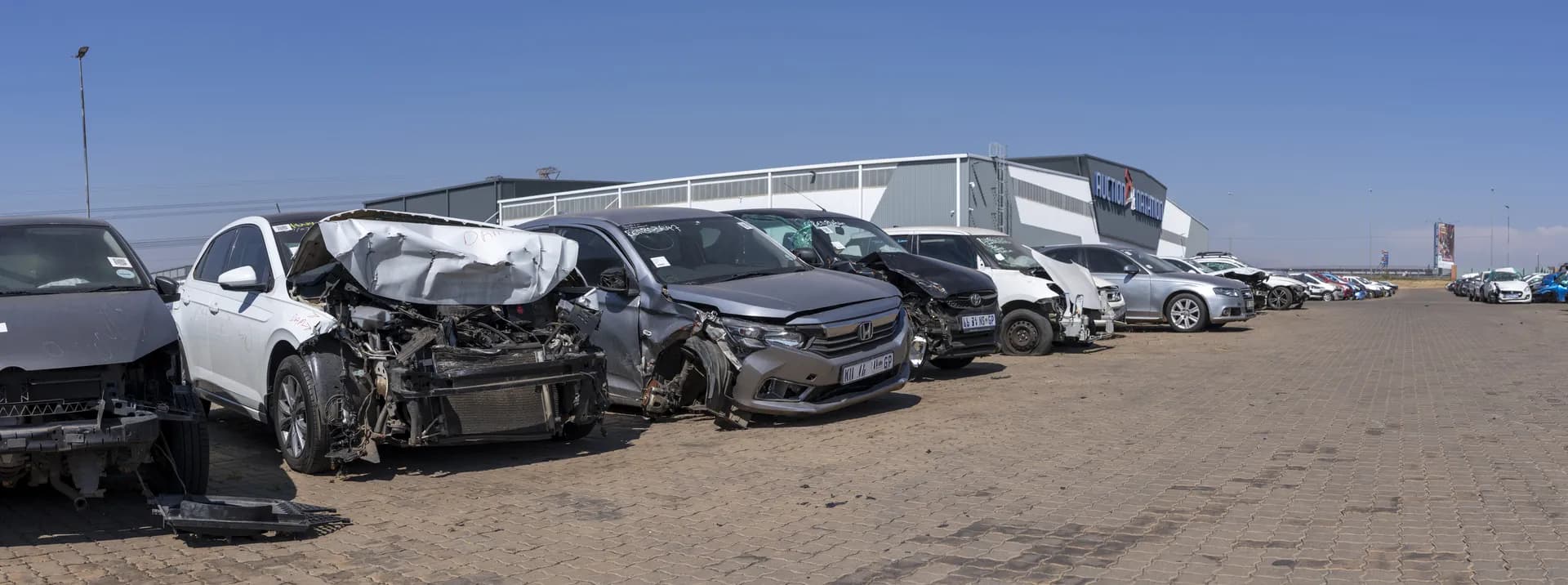
What Drives Depreciation
Damage type, age, parts availability and market demand determine value loss.
Repair vs Sell Decision
Compare repair cost to retained value and get both repair and salvage estimates.
SA-Specific Steps
Consider finance status, deregistration needs and free towing options.
Overview: What is damaged car depreciation?
Damaged car depreciation is the loss in resale or trade-in value a vehicle incurs after accident damage, flood, fire, mechanical failure or extended non-running status. In South Africa this depreciation reflects both repair costs and market perceptions - buyers and salvage channels typically value condition, documented history, and the cost to return the vehicle to a usable state. Understanding damaged car depreciation helps owners decide whether to repair, sell privately, or accept a cash offer from a buyer that handles salvage and paperwork.
Key drivers of depreciation
- Extent and type of damage (structural vs cosmetic).
- Vehicle age, mileage and original market value.
- Availability of parts and repair costs in local markets.
- Whether the vehicle is written off or has a salvage record.
- Demand in the salvage and parts market for that make/model in South Africa.
Why this matters to South African owners
For private owners and small fleet managers in Johannesburg, Cape Town, Durban and other regions, depreciation affects your recovery after an incident, insurance settlement expectations, and the decision to repair or sell. If repair costs approach or exceed a large portion of remaining market value, selling to a specialist buyer can be faster and lower-risk than arranging repairs, private sale negotiations and towing logistics.
Practical note: Vehicles parked long-term or left unrepaired often accumulate secondary issues (battery, tyres, corrosion) that increase depreciation weekly. Acting sooner can reduce added losses.
When to consider selling rather than repairing
Decisions hinge on repair cost vs retained value after repair, the vehicle's role (daily driver vs rarely used), time constraints, and whether the car is under finance. Typical triggers to consider selling include:
- Repair estimates exceed 40-60% of the car’s current market value (estimates vary by model).
- Vehicle is written off by insurers or has structural chassis damage.
- Non-running cars where towing and interim storage add logistic burden.
- Businesses with fleet downtime costs that exceed the expected post-repair value.
Repair cost vs value retained
| Repair cost (R) | Typical retained value after repair | Practical implication |
|---|---|---|
| R5,000 - R20,000 | High (minor depreciation) | Repair usually worthwhile for modern, higher-value cars. |
| R20,000 - R60,000 | Moderate (noticeable depreciation) | Consider age and market value; specialist offers may be competitive. |
| R60,000+ | Low (significant depreciation) | Selling to salvage buyer or accepting a cash offer is often the simpler route. |
Sample South Africa scenario: an 8-year-old hatchback with an insurer repair estimate of R45,000 may still only retain a portion of pre-damage market value after repairs - factoring labour, parts and resale skepticism. For accurate comparisons, get a few repair quotes and a salvage/cash offer to decide.
For guidance on selling non-running vehicles, see our Sell Non-Running Car page and for damaged vehicles visit the Sell Damaged Cars page.
How the depreciation process works in practice
When a vehicle is damaged, three separate valuations commonly influence outcome: the insurer or repair estimate, the private resale value after repair, and salvage market offers. Each will treat the damage differently. Salvage buyers price in towing, deregistration, parting-out value and potential resale, which is why offers from specialist buyers can be competitive for heavily damaged cars.
Damage types vs typical offer impact
| Damage type | Typical impact on offer | SA considerations |
|---|---|---|
| Cosmetic (panels, paint) | Lower impact; repairable | Local panel-beater costs vary by metro; smaller towns may pay more for panels due to parts logistics. |
| Structural/frame | High impact; major reduction in offers | Often classified as write-off by insurers; salvage channels priced accordingly. |
| Mechanical (engine/gearbox) | Variable; parts availability matters | Some popular models have better parts supply in South Africa, reducing depreciation impact. |
| Flood or fire | Severe impact; substantial reduction | Inspections and disclosure rules mean these vehicles carry lasting value penalties. |
Legal, paperwork and finance considerations in SA
Depreciation decisions often interact with paperwork needs. If the vehicle is under finance, the finance agreement and the lender’s payoff amount determine net proceeds. Deregistration and transfer processes must be attended to after sale - specialist buyers commonly handle these steps, including clearance with the relevant authorities. For more on how our process handles paperwork and collection, see the About / How it works overview on our site.
Tips to minimise depreciation losses
- Document damage carefully with clear photos and dated notes to help buyers and insurers assess condition.
- Get multiple repair and salvage estimates - compare total outlay and net proceeds.
- Consider selling quickly if the vehicle is non-running to avoid secondary deterioration costs.
- Disclose finance status and ensure lender communication to avoid settlement delays.
- For non-running or heavily damaged cars, check specialist buyer options that include free towing and paperwork handling to reduce logistic costs.
What happens after you accept a salvage or cash offer
After accepting an offer, common next steps include paperwork verification, scheduling collection and arranging payment. In South Africa, reputable specialist buyers often provide free towing, handle deregistration and transfer steps, and coordinate settlement with any finance provider. Always request a clear itemisation of what the buyer will handle and confirm timing for payment.
For owners weighing options between repair and sale, our nationwide service that buys cars in any condition can be an efficient alternative to lengthy private sales or managing repairs - learn more on our homepage: Sell Your Damaged Car.
Sources
- AA South Africa - vehicle advice and valuation information
- AutoTrader South Africa - market listings and price trends for used vehicles
- Department of Transport (South Africa) - vehicle registration and transfer guidance
These sources provide general market and regulatory context. Figures and examples in this guide are illustrative; local repair costs and salvage market offers vary by region and vehicle specifics in South Africa.
Seasoned automotive specialists dedicated to helping you turn your damaged or non-running vehicle into cash fast and hassle-free.
Disclaimer: This content is for educational purposes only. Product availability, pricing, and specifications are subject to change. Always verify current details on the retailer's website before making a purchase. We may earn affiliate commissions from qualifying purchases.
Why sell your damaged car to us?

A Division of Auction Nation, the leading expert in selling damaged cars

Best price for your damaged car

Get a cash offer within 24h

We buy damaged cars in any condition

We buy accident- damaged cars still under finance

Free, no obligation offer on your vehicle
How We Calculate Your Damaged Car’s Value
Wondering how we calculate your car’s value? At Sell Your Damaged Car, we look at: Your car’s real condition, its salvage value, and the current market demand. It’s all about honesty, transparency, and fairness — that’s how we determine your offer.
Frequently Asked Questions
Get answers to common questions about Tips And Advice
Why Choose Sell Your Damaged Car?
Free Towing
Need a tow? We got you
Hassle Free
Get a cash offer within 24h!
Nationwide
Somewhere remote? No problem!
