
Trend Report: Scrap Car Buyers South Africa - trend-report-scrap-car-buyers-south-africa
Read an in-depth trend report on scrap car buyers in South Africa: market drivers, regional differences, paperwork essentials and tips to maximise your offer.
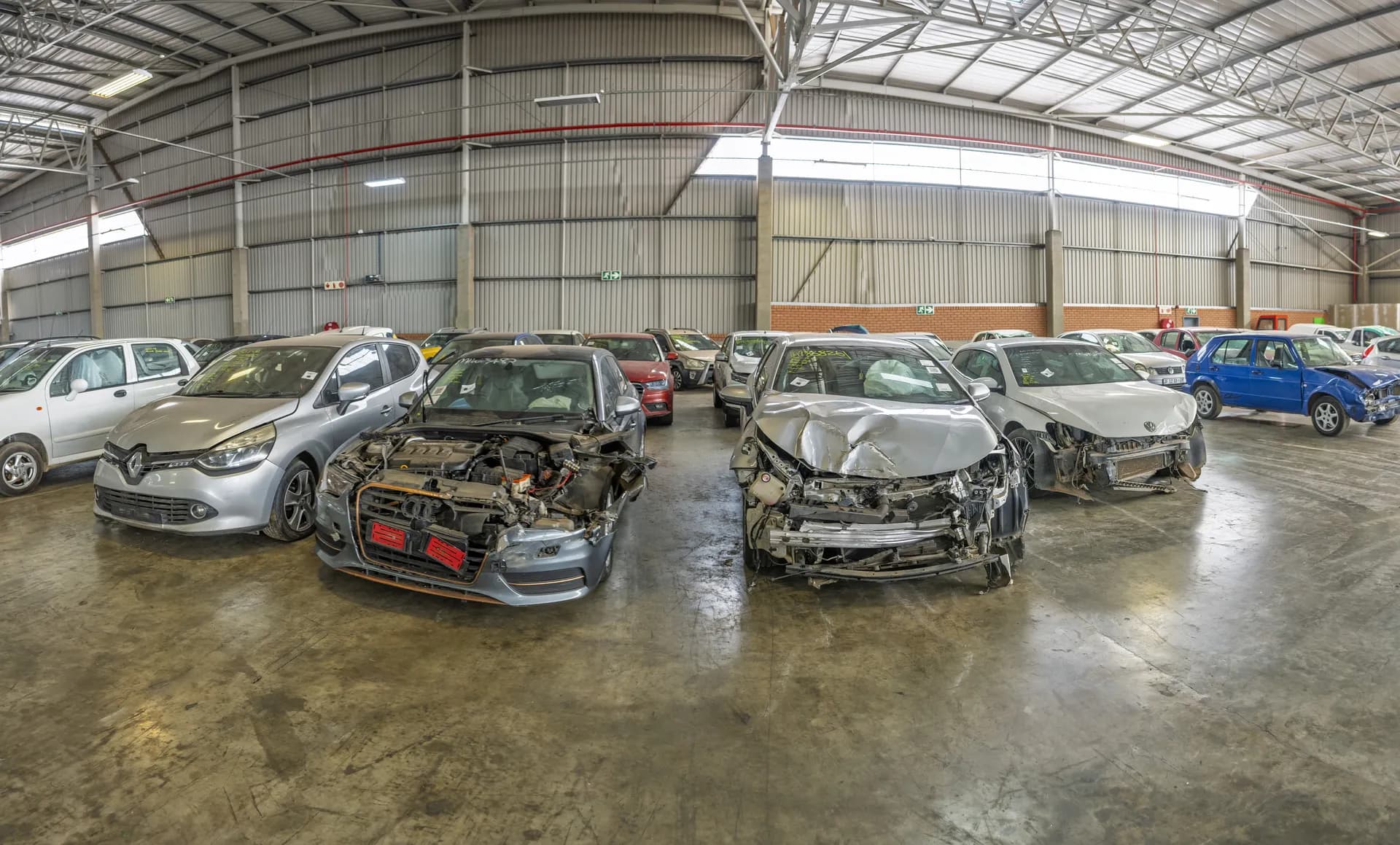
Market Forces Shaping Offers
Parts demand, logistics and paperwork drive buyer pricing in SA salvage markets.
Practical Seller Steps
Good photos, honest descriptions and records help secure competitive offers.
Region Matters
Offers vary by city-Gauteng, Western Cape and KwaZulu-Natal show different dynamics.
Overview: market shifts for scrap car buyers in South Africa
This trend report examines how scrap car buyers operate across South Africa, covering demand drivers, pricing pressures and operational changes impacting sellers of damaged, accident-written-off and non-running vehicles. The phrase trend-report-scrap-car-buyers-south-africa refers to patterns we see in metropolitan hubs such as Johannesburg, Cape Town and Durban, and in surrounding regions where salvage and parts demand vary by locale.
Key forces shaping the market include fluctuating parts demand, increases in repair and replacement costs (measured in R), stricter insurer write-off practices and the growing use of online valuation tools that streamline offers. For owners deciding whether to sell or repair, these trends affect how competitive cash offers are set and how quickly vehicles move through the salvage channel.
Top-line insight
Buyers of scrap and salvage are increasingly pricing offers based on parts demand, transport logistics and ease of paperwork. Services that include free towing and handled admin often attract more sellers in urban and peri-urban areas.
When to sell versus repair
Deciding between repair and sale remains the central practical question for many vehicle owners. Use localised estimates of repair costs and residual market value to guide that decision. Repair costs and retained value differ by vehicle age, make, and severity of damage.
| Scenario | Typical repair cost (estimate, R) | Value retained after repair (estimate) |
|---|---|---|
| Minor accident (cosmetic + panel) | R5,000-R20,000 | 60-90% of pre-accident value |
| Moderate structural/engine repair | R20,000-R60,000 | 40-70% of pre-accident value |
| Severe write-off (salvage) | Often >R60,000 or uneconomic | Typically under 50% (parts/metal value) |
These ranges are illustrative estimates for South African conditions and can vary by region and vehicle. Owners in Gauteng or Western Cape may find different parts availability and labour rates than those in more remote provinces.
Damage types and typical offer impact
| Damage type | How buyers typically adjust offers |
|---|---|
| Cosmetic damage | Minor reduction; parts resellable (mirrors, panels) |
| Mechanical failure (non-running) | Reduction depends on repairability; non-runners priced for parts or tow cost |
| Flood or fire damage | Substantial reduction; buyers consider corrosion and electrical loss |
| Structural/write-off | Priced mainly for parts and scrap metal value |
If you want a quick overview of services that streamline selling, see our homepage and the How it works page for common operational models.
How the process works for modern scrap car buyers
Contemporary buyers use a combination of online valuation, photo inspection, and local salvage demand to create faster, more consistent offers. A typical workflow mirrors many lead car-buying services: an owner uploads photos and vehicle data; the buyer provides a valuation; if accepted, collection (often free towing) and paperwork follow, and payment is released.
Legal and paperwork considerations in South Africa
Sellers should be aware of deregistration requirements, outstanding finance and transfer obligations. Vehicles still under finance require communication with the financier; many buyers will request settlement confirmation before finalising payment. Deregistration and clearance of letters of authority are commonly handled by professional buyers, reducing administrative burden for the seller.
- Check if your vehicle has outstanding finance - buyers will ask for confirmation.
- Be ready to provide ID, vehicle registration documents and a signed letter of sale.
- Confirm whether the buyer will handle deregistration or if you must complete forms at your local licensing office.
Tips to maximise your offer
Market trends show sellers who prepare accurate photos and honest descriptions receive more competitive cash offers. Practical tips based on South African experience:
- Photograph the vehicle from multiple angles, including odometer and VIN plate.
- List recent maintenance and provide service records if available.
- Disclose issues such as flood or fire damage up front - transparency speeds verification and can improve trust.
- Compare offers from different buyers and account for logistics: a slightly lower offer with free towing and handled paperwork may be better net value than a higher quote that excludes collection.
What happens after collection
After you accept an offer and the vehicle is collected, reputable buyers will complete paperwork (including deregistration where applicable), inspect the vehicle and release payment promptly. Payment times vary by buyer and verification steps; in competitive markets, buyers who offer fast payment and transparent timelines attract more sellers.
For sellers of non-running or heavily damaged cars, there are specialised pages explaining how the process works for those conditions; see our pages on Sell Damaged Cars and Sell Non-Running Car for more context on logistics and typical timelines.
Regional notes and practical examples
In Johannesburg, high parts demand and dense salvage yards can shorten resale cycles; in Cape Town, transport to salvage buyers may increase logistical costs. Example: a non-running 10-year-old sedan with cosmetic front damage may attract multiple offers in Gauteng due to parts demand, while the same vehicle in a remote area could face a larger deduction for towing. These regional variations are core to the trend-report-scrap-car-buyers-south-africa analysis.
Final observations
The scrap and salvage market in South Africa continues shifting toward streamlined online valuations, with increased emphasis on operational convenience such as free towing and handled admin. Sellers who understand local demand, prepare good documentation and choose buyers who manage deregistration and settlement efficiently typically secure the best net outcomes.
Sources
Seasoned automotive specialists dedicated to helping you turn your damaged or non-running vehicle into cash fast and hassle-free.
Disclaimer: This content is for educational purposes only. Product availability, pricing, and specifications are subject to change. Always verify current details on the retailer's website before making a purchase. We may earn affiliate commissions from qualifying purchases.
Why sell your damaged car to us?

A Division of Auction Nation, the leading expert in selling damaged cars

Best price for your damaged car

Get a cash offer within 24h

We buy damaged cars in any condition

We buy accident- damaged cars still under finance

Free, no obligation offer on your vehicle
How We Calculate Your Damaged Car’s Value
Wondering how we calculate your car’s value? At Sell Your Damaged Car, we look at: Your car’s real condition, its salvage value, and the current market demand. It’s all about honesty, transparency, and fairness — that’s how we determine your offer.
Frequently Asked Questions
Get answers to common questions about News Updates
Why Choose Sell Your Damaged Car?
Free Towing
Need a tow? We got you
Hassle Free
Get a cash offer within 24h!
Nationwide
Somewhere remote? No problem!
