
How to Transfer Vehicle Ownership After a Repair Claim in South Africa
Learn the full process for transferring car ownership after a repair claim in SA. Includes legal steps, paperwork, and tips for repaired and written-off vehicles.
Overview: Why Ownership Transfer Matters After a Repair Claim
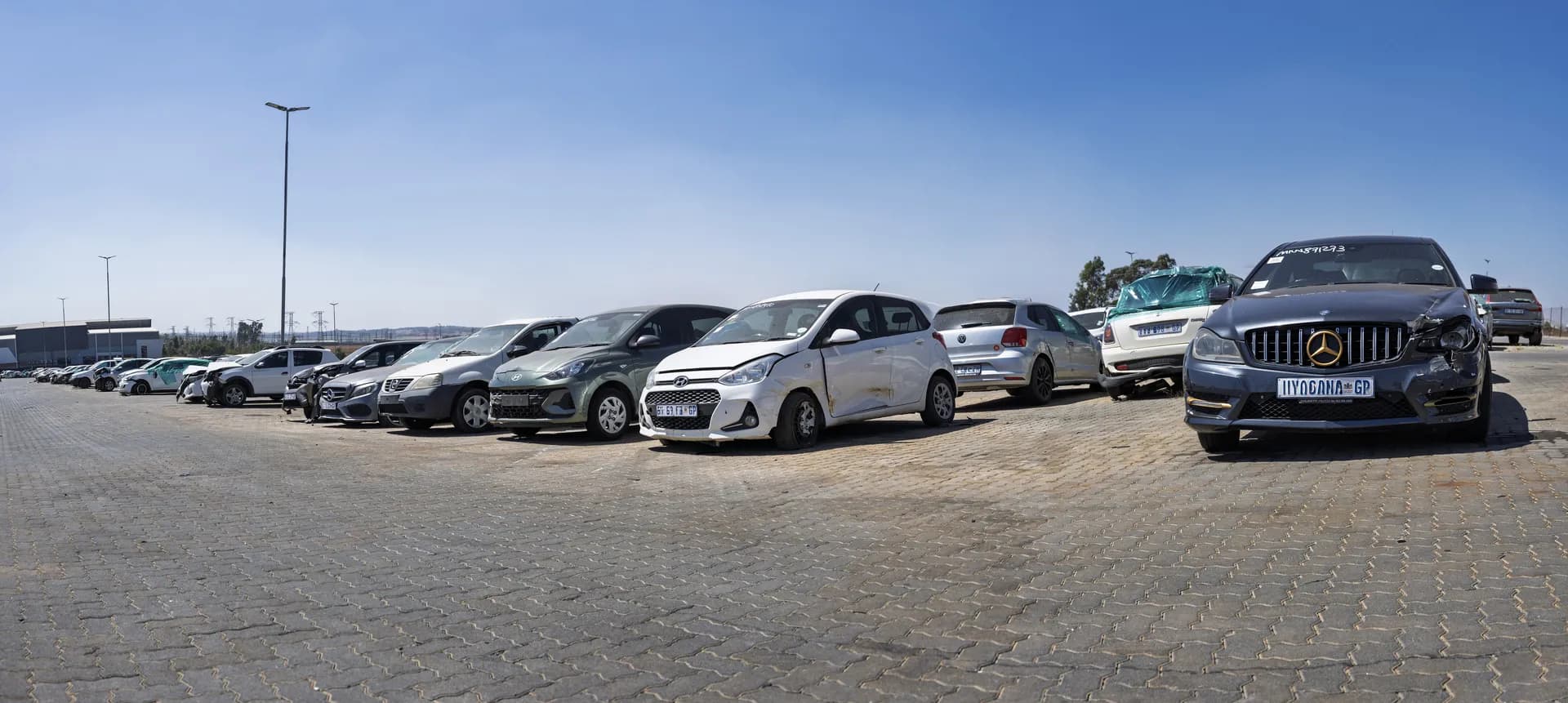
After a vehicle is involved in an accident and repaired through an insurance claim, many South African car owners are unsure about the next steps for officially transferring ownership-whether selling, trading in, or deregistering the vehicle. Knowing how the repair claim affects the legal status, paperwork and resale process is crucial to protecting yourself from future liability and ensuring a smooth transaction.
When Should You Transfer Ownership After a Repair Claim?
- Once repairs are complete and the insurer has settled all claim-related processes.
- If you received a payout and the car was repaired and returned to you (not written-off).
- If the car was written off (Code 3 or salvage) and bought back or repaired-different procedure applies.
- When selling or gifting the vehicle post-repair, or transferring it within a business fleet.
Repair Claim Impact on Vehicle Codes
| Repair Claim Scenario | Vehicle Status/Code | Ownership Transfer Notes |
|---|---|---|
| Insurer repairs car (not written-off) | Code 2 (used) | Normal transfer applies |
| Car declared uneconomical to repair (written-off) but owner buys back and repairs | Code 3 (rebuilt) | Requires additional inspections and paperwork |
| Vehicle scrapped or not repaired | Code 4 (scrapped) | Cannot be transferred for road use; parts only |
Transferring ownership correctly after a repair claim requires attention to these codes, as well as the paperwork your insurer or workshop may provide. For all codes, ensure full documentation of the repair process and insurance correspondence is retained.
Key Documents You'll Need
- Original vehicle registration certificate (NATIS)
- Completed Notification of Change of Ownership (NCO) form
- Proof of address and ID of buyer and seller
- Letter from insurer showing claim settlement and vehicle status (optional but useful)
- Roadworthy certificate if selling/transfer for future road use
- Police clearance (required for Code 3 rebuilt vehicles)
Step-by-Step: How the Process Works
- Ensure the vehicle status (Code 2 or Code 3) is clarified and reflected on eNaTIS.
- Gather supporting documents: registration, IDs, proof of insurance claim and repair invoices.
- For Code 3 vehicles, obtain police clearance and arrange a roadworthy inspection at an authorized centre.
- Complete the Change of Ownership (NCO) form. Both buyer and seller must sign.
- Submit all documentation at your nearest licensing office. Pay the relevant transfer fees.
- Update eNaTIS registration with new owner details. Request confirmation.
If you're selling a previously damaged and repaired car, it's important to be transparent about its history. This ensures a compliant and low-risk transaction for both parties.
Legal and Admin Considerations in South Africa
South African law requires notification of sale or transfer within 21 days. For vehicles previously deemed Code 3 (rebuilt) after a repair claim, extra administrative steps apply-these seek to prevent insurance fraud and ensure roadworthiness. If you're unsure of your vehicle's legal status post-repair claim, contact your insurance provider or consult the eNaTIS system directly.
Common Issues and How to Avoid Them
- Not declaring repaired status: Failing to disclose previous insurance-related repairs or Code 3 status can invalidate a sale and lead to disputes.
- Incomplete paperwork: Missing police clearance (for rebuilt cars) or NCO forms stalls the process.
- Outstanding finance: Cannot transfer until loan is settled; request a settlement letter from your credit provider.
- Delays updating eNaTIS: Only the registered owner can initiate transfer; follow up on all submissions and retain receipts.
| Situation | Paperwork Required | Extra Steps |
|---|---|---|
| Code 2 (standard used) | NCO, ID, NATIS, proof of address | Normal roadworthy certificate for sale |
| Code 3 (rebuilt) | All above, plus police clearance | Inspection report, insurance documentation |
| Under finance | Settlement letter, all of the above | Bank to release title after payment |
Tips to Maximise Your Offer if Selling After a Repair Claim
- Disclose full repair and claim history with supporting documents.
- Provide all repair invoices and proof of professional work.
- Highlight current roadworthy certificate and inspection reports.
- Work with a reputable buyer who understands the SA salvage and rebuilt market.
Specialist buyers such as Sell Your Damaged Car and platforms dedicated to accident-damaged or rebuilt vehicles can streamline the process and handle much of the paperwork for you.
After Collection: What to Expect
- Buyer completes change of ownership at the licensing office.
- Both parties receive confirmation of transfer from eNaTIS.
- You are no longer liable for licensing fees, fines, or incidents.
- If the vehicle was deregistered, it cannot re-enter SA roads (Code 4).
Sources
Seasoned automotive specialists dedicated to helping you turn your damaged or non-running vehicle into cash fast and hassle-free.
Disclaimer: This content is for educational purposes only. Product availability, pricing, and specifications are subject to change. Always verify current details on the retailer's website before making a purchase. We may earn affiliate commissions from qualifying purchases.
Why sell your damaged car to us?

A Division of Auction Nation, the leading expert in selling damaged cars

Best price for your damaged car

Get a cash offer within 24h

We buy damaged cars in any condition

We buy accident- damaged cars still under finance

Free, no obligation offer on your vehicle
How We Calculate Your Damaged Car’s Value
Wondering how we calculate your car’s value? At Sell Your Damaged Car, we look at: Your car’s real condition, its salvage value, and the current market demand. It’s all about honesty, transparency, and fairness — that’s how we determine your offer.
Frequently Asked Questions
Get answers to common questions about Legal And Paperwork
Why Choose Sell Your Damaged Car?
Free Towing
Need a tow? We got you
Hassle Free
Get a cash offer within 24h!
Nationwide
Somewhere remote? No problem!
