
Towing Cost for a Hail-Damaged Bakkie in South Africa: What to Expect
Estimate towing costs for a hail-damaged bakkie in South Africa, learn factors that affect price, repair vs sell guidance, and paperwork to prepare.
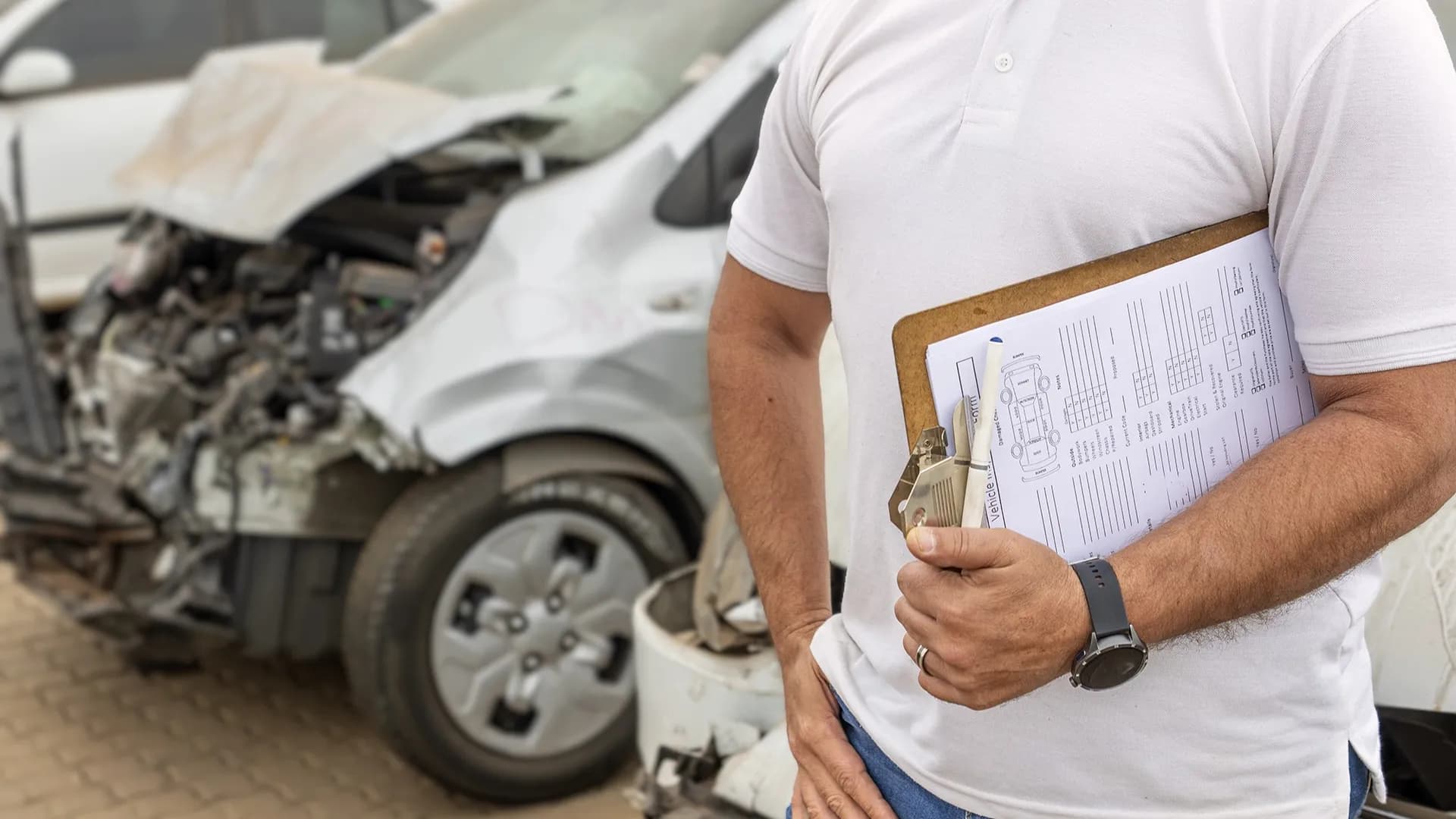
Towing Cost Ranges
Short tows often R350-R1,200; specialist recovery can exceed R3,500.
Repair vs Sell Decision
Compare repair estimates to retained value and towing impact on cost.
Paperwork & Nationwide Options
Check finance status, transfer requirements and consider buyers who include towing.
Overview: towing cost for hail-damaged bakkie South Africa
If a hailstorm has left dents, broken glass or minor roof damage to your bakkie, you may be weighing whether to drive it, tow it for repair, or sell it as damaged. The phrase towing cost hail damaged bakkie South Africa typically refers to the expense of moving the vehicle from the scene, a repair shop or your property to another location. Costs vary by distance, vehicle condition and service chosen - from an owner-arranged local tow to a specialist recovery for non-drivable vehicles.
Common price ranges and what influences them
Typical towing quotes in South Africa for a standard bakkie after hail damage can range from roughly R350-R1,200 for local short-distance tows (within a city), and R1,000-R4,500 for longer intercity collections. These are estimates and depend on time of day, accessibility, vehicle weight, whether the bakkie is driveable, and load/unload complexity.
- Short urban tow (?20 km): usually R350-R1,200.
- Longer tow (20-200 km): typically R1,000-R3,000 depending on route and operator.
- Specialist recovery (non-drivable, winching, difficult access): can exceed R3,500-R4,500.
Note: many towing businesses charge call-out fees and per-kilometre rates. If the vehicle is badly damaged and immobilised, recovery requires more labour and equipment and will increase the final bill.
When to consider selling versus repairing
Deciding whether to repair a hail-damaged bakkie or sell it depends on repair cost versus remaining market value, insurance cover, and how quickly you need the vehicle off your property. If repair estimates are high relative to the vehicle’s insured or market value, selling can avoid ongoing storage, towing and repair delays. For guidance on selling non-running or heavily damaged vehicles, see the Sell Non-Running Car page Sell Non-Running Car and Sell Damaged Cars Sell Damaged Cars pages for options that include free towing and paperwork support.
Repair cost vs value retained (example table)
| Estimated Repair Cost (R) | Typical Value Retained (%) | When to consider selling |
|---|---|---|
| 0-5,000 | 90-98% | Minor dents/glass; repair likely worth it |
| 5,000-20,000 | 60-85% | Multiple panels, glass replacement - compare quotes |
| 20,000+ | <50% | Major structural or roof damage; selling may be more practical |
All figures are illustrative estimates for the South African market. Actual repair quotes should be obtained from accredited panel beaters and glass specialists. If insurance covers hail, your insurer may arrange towing; check policy towing limits and excesses first.
How tow logistics affect cost and timeline
Accessibility (secure parking vs. narrow street), the need for crane/winch services, and whether the bakkie is loaded will affect price and timing. If you choose a service that also buys damaged vehicles, you may be offered free towing as part of a sale and avoid separate invoices and storage fees. Learn more about our nationwide process on the About page About / How it works.
How the process works when your bakkie needs towing
Whether you call your insurer’s roadside assistance, a local tow truck, or a buyer that offers collection, the usual steps are: confirm location and vehicle condition, receive an arrival window and estimate, verify pricing (call-out plus per-kilometre or flat rate), and prepare documentation if the vehicle will be transferred or collected. For examples of selling a damaged vehicle where towing is included, see our homepage Sell Your Damaged Car.
Damage types vs typical offer impact
| Damage Type | Likely Tow Complexity | Typical Offer/Repair Impact |
|---|---|---|
| Surface dents & broken windows | Low - usually driveable | Minor impact; repairs usually cost-effective |
| Roof crush / structural damage | High - specialist recovery often required | Significant reduction in resale/repair viability |
| Electrical / mechanical issues after hail | Medium - depends if still driveable | Offers reflect repair risk for water/electrical faults |
Legal & paperwork considerations in South Africa
If you decide to sell a hail-damaged bakkie, paperwork such as a completed change of ownership (register transfer) or deregistration must be handled correctly. Vehicles under finance require a settlement from the lender before clear transfer; inform your finance house early. If a buyer collects the vehicle, ensure transfer documents are completed and payment is verified. For selling options that include handling admin and deregistration, see the Sell Damaged Cars page Sell Damaged Cars.
Tips to minimise towing cost and maximise outcomes
- Compare quotes - request a clear breakdown (call-out, per km, special equipment).
- Ask if insurers or panel beaters include towing in their estimates.
- If selling, get offers that include free collection to avoid double charges.
- Document damage with photos and a written record to support claims or offers.
What happens after collection
After collection, a repairer will inspect and order parts where needed; a buyer will evaluate salvage value and complete paperwork. If you sell, ensure payment is confirmed before handing over keys and signed documents. If the bakkie was insured for hail, confirm the insurer’s settlement process and any excess payable. For more detail on how vehicle purchase and collection works in practice, review our How it works page About / How it works.
Practical South Africa scenarios
Example: A Cape Town bakkie with moderate hail dents and a shattered canopy window might cost ~R450 to tow 15 km to a panel shop. A Johannesburg bakkie with roof deformation that cannot be driven could require a specialist recovery for R2,500-R4,000 to a salvage yard. These figures are indicative and will vary by provider and conditions.
Sources
- Automobile Association South Africa - roadside assistance and towing guidance
- Road Traffic Management Corporation - road safety and recovery information
- National Consumer Commission - consumer rights for service contracts and quotes
- South African Government - vehicle registration and transfer services
Seasoned automotive specialists dedicated to helping you turn your damaged or non-running vehicle into cash fast and hassle-free.
Disclaimer: This content is for educational purposes only. Product availability, pricing, and specifications are subject to change. Always verify current details on the retailer's website before making a purchase. We may earn affiliate commissions from qualifying purchases.
Why sell your damaged car to us?

A Division of Auction Nation, the leading expert in selling damaged cars

Best price for your damaged car

Get a cash offer within 24h

We buy damaged cars in any condition

We buy accident- damaged cars still under finance

Free, no obligation offer on your vehicle
How We Calculate Your Damaged Car’s Value
Wondering how we calculate your car’s value? At Sell Your Damaged Car, we look at: Your car’s real condition, its salvage value, and the current market demand. It’s all about honesty, transparency, and fairness — that’s how we determine your offer.
Frequently Asked Questions
Get answers to common questions about Tips And Advice
Why Choose Sell Your Damaged Car?
Free Towing
Need a tow? We got you
Hassle Free
Get a cash offer within 24h!
Nationwide
Somewhere remote? No problem!
