
Tips for Selling Crashed Vehicles in South Africa - Smart Steps for Owners
Learn practical, South Africa-specific tips for selling a crashed vehicle: when to sell vs repair, paperwork, how offers are calculated and how to maximise your cash offer.
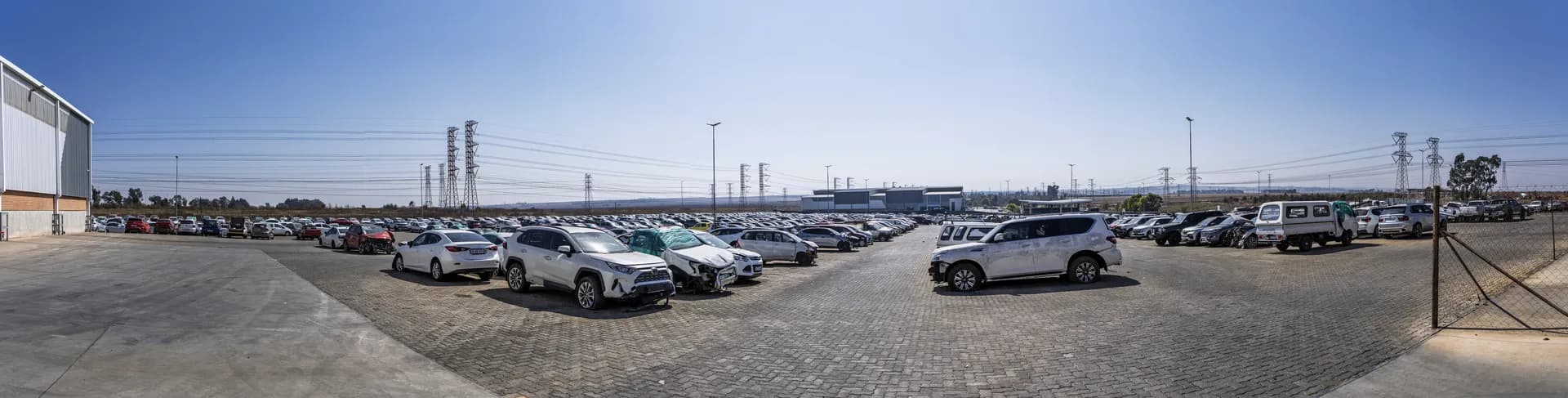
Prepare clear photos
Good photos reduce uncertainty and often increase offers.
Check finance & paperwork
Confirm ownership, lenders and keep logbook and correspondence ready.
Compare offers locally
Multiple specialist quotes help verify a competitive cash offer.
Overview: Selling a crashed vehicle in South Africa
If your car has been in an accident, deciding whether to repair or sell can be stressful. This guide outlines clear, practical tips for selling crashed vehicles in South Africa, including how offers are assessed, what paperwork matters, and how to present your vehicle to get a competitive cash offer. The primary goal is to help private owners and small fleet managers in Johannesburg, Cape Town, Durban and surrounding areas make informed decisions.
Why selling may make sense
Repair costs, time off the road and residual risks (hidden damage, parts shortages) often tip the balance in favour of selling. Specialist buyers purchase wrecks, written-off and non-running cars and handle towing and deregistration so you don’t have to manage logistics. For more about the kinds of vehicles accepted, see our Sell Damaged Cars page.
Quick decision checklist
- Obtain a repair estimate from a trusted panelbeater or mechanic (R figures help comparison).
- Check current market value for comparable, undamaged vehicles of the same make, year and mileage.
- Confirm whether the vehicle is declared a write-off by insurer or under finance.
- Get an obligation-free offer from a specialist buyer to compare against repair costs.
Note: Repair estimates and market values change by region (Cape Town vs Johannesburg) and by vehicle condition. When using numbers below, treat R figures as illustrative estimates, not guaranteed outcomes.
When to sell versus repair
Deciding between repair and sale depends on repair cost, residual value after repair, time and risk. For many owners of badly damaged or non-running cars, selling to a specialist is faster and lowers ongoing costs like storage, insurance and impound fees.
Repair cost vs retained value (illustrative)
| Scenario | Typical repair cost (R) | Expected retained value after repair |
|---|---|---|
| Minor front bumper & lights | R5,000 - R15,000 | High (70-85% of market value) |
| Structural/frame damage | R20,000 - R80,000+ | Low (30-60% of market value) |
| Engine/transmission failure after crash | R15,000 - R60,000+ | Variable (depends on parts & labour) |
If repair costs approach or exceed 50-60% of the undamaged market value, selling for parts or to a salvage buyer often makes more financial sense. To evaluate non-running vehicles, specialist buyers also consider salvage auction demand.
How the selling process typically works
A straightforward seller experience with a reputable buyer looks like this: you submit vehicle details and photos, receive an offer, accept if it’s suitable, and the buyer handles collection, paperwork and payment. For owners of cars that won’t start, see guidance on selling non-runners at our Sell Non-Running Car page.
What buyers look at when valuing a crashed car
- Visible structural damage and whether the chassis is bent.
- Mechanical condition: engine, transmission, electronics.
- Age, mileage and service history.
- Completeness of parts (wheels, airbags, catalytic converter).
- Location and ease of collection (urban pickups are cheaper to collect).
Damage types vs typical offer impact
| Damage type | Typical impact on offer |
|---|---|
| Cosmetic (bumper, panels) | Moderate reduction - often repairable at low cost |
| Airbag deployment | Significant reduction - safety system repair costly |
| Frame/structural damage | Major reduction - affects roadworthiness and resale |
| Flood/fire damage | Often severe reduction - electrical systems may be compromised |
These impacts vary by model and parts demand; specialist buyers use local salvage market insight to set offers.
Legal and paperwork considerations in South Africa
Before selling, confirm ownership and any outstanding finance. If the vehicle is still financed, the lender must be settled or give written consent to transfer the vehicle - selling without addressing finance can lead to legal issues. The buyer usually assists with deregistration and transfer paperwork, but you should keep copies of ID, the vehicle registration document (logbook), and any insurance write-off letters.
Deregistration and transfer steps
- Provide ID and a signed transfer form as required by eNatis processes.
- If a vehicle is written off by an insurer, obtain the insurance settlement letter - buyers will request it.
- Request confirmation of deregistration or transfer once paperwork is complete to avoid future liability.
Tips to maximise your offer
Small, low-cost steps often increase offers more than you’d expect. Below are practical, experience-based tips tailored to South African sellers.
- Provide clear photos: wide shots plus close-ups of damage, VIN/chassis plate, interior and odometer. Good photos reduce uncertainty and can lift offers.
- Be honest and detailed in descriptions: note whether airbags deployed, if the engine turns over, and any ongoing faults.
- Keep documentation together: logbook, service records, insurer correspondence and proof of ownership.
- Remove personal items and aftermarket extras that you plan to keep; clarify what’s included in the sale.
- Compare offers from at least two specialist buyers to verify competitiveness and transparency.
Practical examples from South Africa
Example 1: A 2012 hatchback with front-end damage but intact engine - obtaining a clear set of photos and a service history helped the seller get an offer above initial estimates because the buyer saw salvage parts value and a straightforward repair path.
Example 2: A non-running bakkie with structural damage - the owner saved time and storage costs by selling it to a specialist who organised free towing and managed transfer, avoiding impound fees common in some metros.
What happens after collection
Once a buyer collects the vehicle, expect the following: completion of transfer documents, confirmation of deregistration, and payment processing. Reputable buyers provide written proof of collection and a payment confirmation. If the vehicle was under finance, ensure the buyer provides documentation showing the lender has been paid or given notice.
Protecting yourself
- Obtain a signed receipt at collection and keep copies of all transfer forms.
- Confirm payment into your bank account before relinquishing keys when possible.
- Ask the buyer for a deregistration confirmation from eNatis or a transfer acknowledgment.
For a clear explanation of how specialist services manage paperwork and collection, read our About / How it works page. If your vehicle won’t start, additional guidance is available on the Sell Non-Running Car page.
Final practical checklist
- Photograph vehicle thoroughly (VIN, damage, odometer).
- Gather ID, logbook and any insurance correspondence.
- Confirm finance status with your lender.
- Get multiple offers and understand inclusions (towing, paperwork).
- Keep signed collection and payment confirmations after transfer.
Sources
Seasoned automotive specialists dedicated to helping you turn your damaged or non-running vehicle into cash fast and hassle-free.
Disclaimer: This content is for educational purposes only. Product availability, pricing, and specifications are subject to change. Always verify current details on the retailer's website before making a purchase. We may earn affiliate commissions from qualifying purchases.
Why sell your damaged car to us?

A Division of Auction Nation, the leading expert in selling damaged cars

Best price for your damaged car

Get a cash offer within 24h

We buy damaged cars in any condition

We buy accident- damaged cars still under finance

Free, no obligation offer on your vehicle
How We Calculate Your Damaged Car’s Value
Wondering how we calculate your car’s value? At Sell Your Damaged Car, we look at: Your car’s real condition, its salvage value, and the current market demand. It’s all about honesty, transparency, and fairness — that’s how we determine your offer.
Frequently Asked Questions
Get answers to common questions about Tips And Advice
Why Choose Sell Your Damaged Car?
Free Towing
Need a tow? We got you
Hassle Free
Get a cash offer within 24h!
Nationwide
Somewhere remote? No problem!
