
Tips for Selling a Written-Off Car in South Africa - Practical, Local Advice
Practical tips for selling a written-off car in South Africa: prepare documents, compare salvage offers, handle deregistration and avoid common pitfalls.
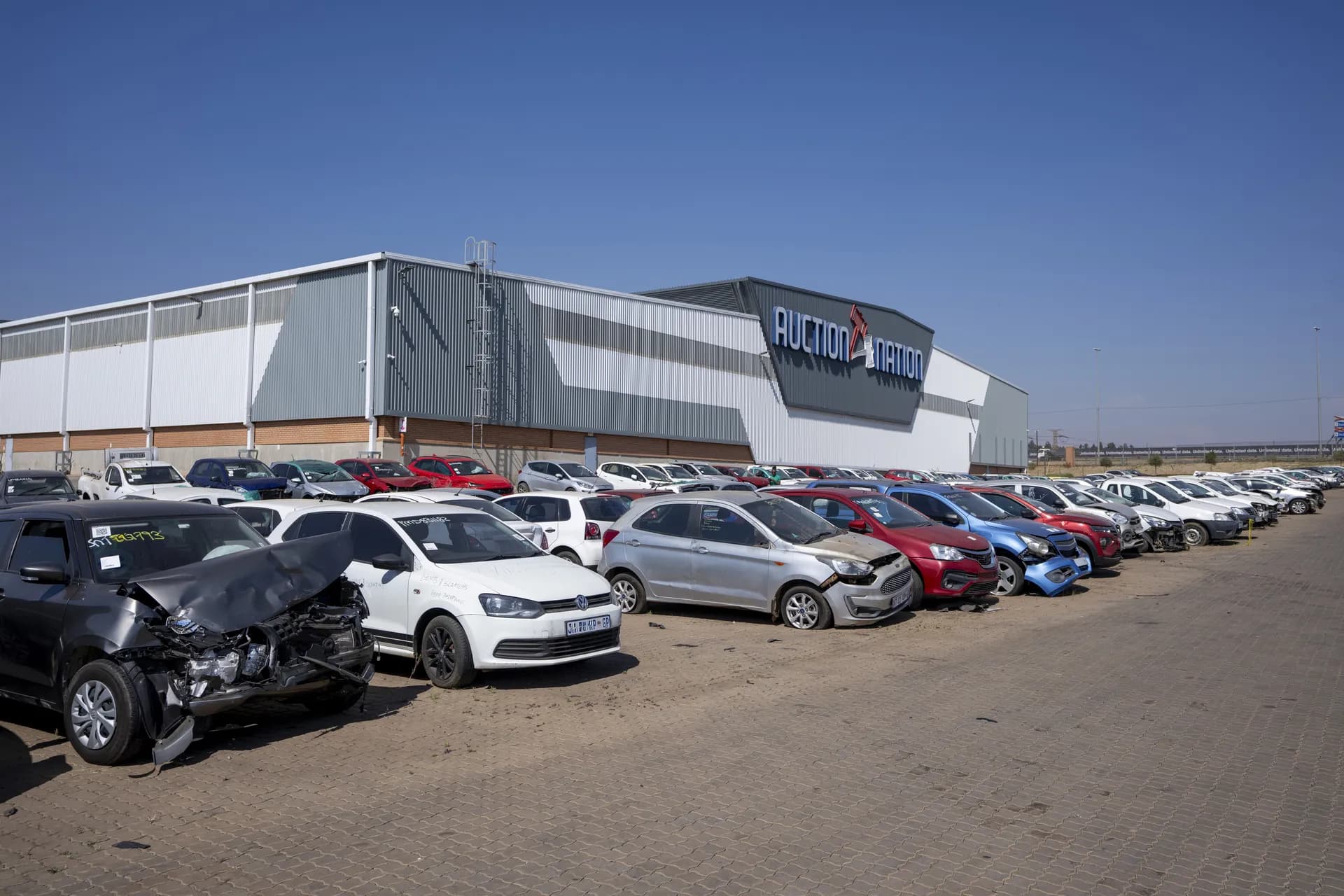
Prepare Documentation
Photos, ownership papers and insurer write-off letters speed valuations.
Understand Offer Drivers
Damage type, parts demand and completeness determine salvage value.
Handle Paperwork Carefully
Confirm transfer, deregistration and finance settlements before finalising sale.
Overview: Selling a written-off car in South Africa
Selling a written-off car presents specific practical and legal considerations. A written-off vehicle (insurance total loss) can still have value to wreckers, salvage buyers and specialist dealers. This guide explains how to prepare, what affects offers and how to handle the deregistration and transfer steps unique to South Africa.
When selling makes sense
If repair estimates exceed expected retained value, or if you prefer simplicity over arranging repairs, selling to a buyer who understands salvage is often the most cost-effective route. Selling avoids ongoing storage costs and the administrative burden of repair and retesting.
Practical note: Have documentation ready - ownership (RSA licence papers), the insurer's write-off letter if available, and clear photos. These speed up valuation and transfer.
Key factors that affect offers
- Extent and type of damage: structural, engine, flood or fire affect salvage value differently.
- Model, age and parts demand in South Africa affect how much a buyer will pay.
- Completeness: cars with intact engines, ECUs, airbags or undamaged panels usually fetch better offers from dismantlers.
- Location and towing access: nationwide collection options reduce hassle and can broaden buyer interest.
Repair cost vs value retained (illustrative)
| Scenario | Estimated repair cost (R, range) | Typical value retained after repair (%) |
|---|---|---|
| Minor panel & bumper damage | R5,000 - R25,000 | 70% - 90% |
| Structural/airbag deployment | R30,000 - R120,000+ | 30% - 60% |
| Flood or major engine damage | R40,000 - R150,000+ | 10% - 50% |
Notes: Figures above are illustrative estimates for South Africa and will vary by make, model and local parts demand. Repair cost ranges are approximate and presented in R (rand).
For more on what we buy and how the online valuation works, see our About / How it works page. If your vehicle is non-running, our guidance on selling non-running cars is also relevant: Sell Non-Running Car.
When to sell versus attempt repair
Decide based on three simple comparisons: repair cost vs market value after repair, time and effort required, and the paperwork or legal steps tied to an insurance write-off. For many older vehicles or those needing structural repairs, selling as written-off is quicker and often economically sensible.
Checklist before you list
- Clear photos from multiple angles (interior, engine bay, VIN/chassis plate).
- Prepare ownership documents and any insurer correspondence showing the write-off status.
- Be honest and detailed in descriptions to get accurate offers.
How the selling process typically works in South Africa
A transparent sale process reduces disputes and speeds payment. Typical steps are: get online valuations from specialist buyers, accept a competitive cash offer if it meets your needs, arrange collection and complete transfer and deregistration paperwork. Many reputable buyers offer free towing nationwide and manage the admin on your behalf.
Damage types vs typical offer impact
| Damage type | Effect on offers |
|---|---|
| Superficial panel damage | Smaller negative impact; repairable parts in demand. |
| Structural/frame damage | Larger impact; often deemed uneconomical to repair. |
| Flood & water damage | Significant impact due to electrical and engine risk. |
| Fire damage | Major impact; often only parts salvageable. |
Legal & paperwork essentials in SA
In South Africa you must formally transfer ownership and, where applicable, notify the relevant licensing authority of the transaction. If the vehicle is still financed, inform the finance house - their consent or settlement is required before transfer. Many buyers will assist with deregistration and the transfer process to make the sale straightforward for private owners and businesses across Johannesburg, Cape Town and Durban.
Tips to maximise your offer
- Provide comprehensive photos and honest damage descriptions to avoid re-negotiation.
- Keep key components available (keys, battery if safe to include) - completeness can improve offers.
- Compare multiple valuations - different buyers specialise in parts, whole-car salvage or export markets.
- Confirm inclusions: who pays for towing, which documents they handle, and the timing of payment.
If you want a simple online quote and free pickup options, see our Sell Damaged Cars page for details on what to expect from buyers who handle collection and admin: Sell Damaged Cars. For a general start or to return to our homepage, visit Sell Your Damaged Car.
What happens after collection
After you accept an offer and the vehicle is collected, the buyer usually completes the ownership transfer and deregistration steps. Payment is typically issued once the buyer confirms collection and document checks - ask for clear timelines and a written receipt. For vehicles under finance, settlement figures from the lender must be agreed before the final transfer.
Common pitfalls to avoid
- Accepting a verbal offer without written confirmation of inclusions and payment timing.
- Failing to clear finance or not informing the finance provider - this can delay transfer.
- Not verifying the buyer's identity or business details - always check company registration and references.
Sources
- South African Government - Driving licence and vehicle registration services
- Automobile Association of South Africa (AA) - Consumer guidance on damaged and written-off vehicles
- South African Police Service (SAPS) - Reporting road accidents and official documentation
- National Consumer Commission - Consumer rights when selling used or damaged goods
This guidance is based on typical South African market practice and legal steps; specific outcomes vary by vehicle, insurer and buyer. If you need tailored help for fleet sales or multiple written-off vehicles, seek buyers experienced with commercial-scale collections in Johannesburg, Cape Town and Durban.
Seasoned automotive specialists dedicated to helping you turn your damaged or non-running vehicle into cash fast and hassle-free.
Disclaimer: This content is for educational purposes only. Product availability, pricing, and specifications are subject to change. Always verify current details on the retailer's website before making a purchase. We may earn affiliate commissions from qualifying purchases.
Why sell your damaged car to us?

A Division of Auction Nation, the leading expert in selling damaged cars

Best price for your damaged car

Get a cash offer within 24h

We buy damaged cars in any condition

We buy accident- damaged cars still under finance

Free, no obligation offer on your vehicle
How We Calculate Your Damaged Car’s Value
Wondering how we calculate your car’s value? At Sell Your Damaged Car, we look at: Your car’s real condition, its salvage value, and the current market demand. It’s all about honesty, transparency, and fairness — that’s how we determine your offer.
Frequently Asked Questions
Get answers to common questions about Tips And Advice
Why Choose Sell Your Damaged Car?
Free Towing
Need a tow? We got you
Hassle Free
Get a cash offer within 24h!
Nationwide
Somewhere remote? No problem!
