
Tips for Maximizing Scrap Car Value in South Africa
Practical tips to boost the cash you get for scrap or damaged vehicles in South Africa - documentation, which repairs pay off, paperwork and nationwide collection.
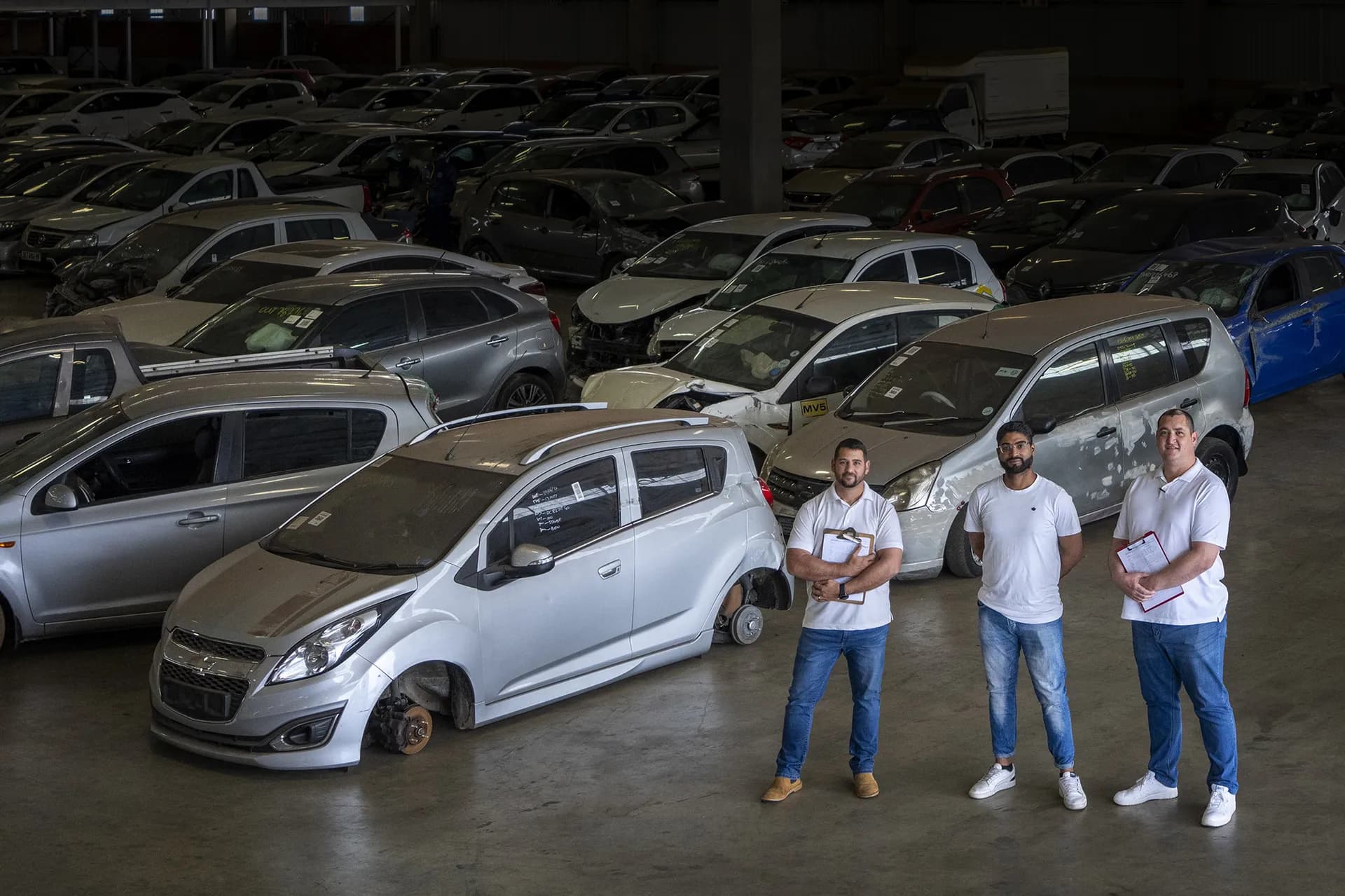
Document & Photograph
Clear photos and records increase buyer confidence and offers.
Highlight Usable Parts
Listing working components can significantly improve the offer.
Use Nationwide Buyers
Free towing and paperwork handling cut seller costs and delays.
Overview (tips-for-maximizing-scrap-car-value)
If you have a damaged, non-running or written-off vehicle, understanding how buyers value scrap cars can increase the cash you receive. This guide explains the key factors that affect offers in South Africa and gives actionable tips for getting a more competitive cash offer from services that buy cars in any condition.
What affects scrap car value?
Scrap car value depends on several objective factors: make and model demand, usable parts, salvageable metals, the vehicle's condition, documentation, and location. Buyers who operate nationwide pay attention to logistics - free towing across metros and rural areas can improve net proceeds by reducing the seller's costs.
Quick note
These tips are for owners in Johannesburg, Cape Town, Durban and surrounding areas who want straightforward, low-hassle ways to increase a scrap car offer without unnecessary expense.
When to sell versus repair
Deciding whether to sell your car for scrap or pay for repairs is a common dilemma. If estimated repair costs exceed the likely market recovery, selling as scrap or to a salvage buyer is often the lower-cost, lower-risk option. Consider how long repairs will take, potential further damage from storage, and whether you can legally return the vehicle to the road after repairs.
Repair cost vs value retained
| Repair scenario | Typical R cost range (estimate) | Likely value retained |
|---|---|---|
| Minor cosmetic repairs (panels/paint) | R3,000 - R15,000 | Small uplift; sometimes less than repair cost |
| Moderate mechanical work (engine/gearbox) | R10,000 - R50,000 | Higher uplift but long lead time; depends on parts availability |
| Heavy structural repair (write-off level) | R30,000 - R120,000+ | Often not cost-effective; salvage sale usually better |
These ranges are indicative for South Africa and will vary by vehicle age, make, and local labour/parts costs. Use them to decide whether repairs will meaningfully improve a sale price or simply delay disposal.
How the online scrap-sale process typically works
Modern scrap and salvage buyers offer quick online valuations: upload vehicle details and photos, receive an initial offer, accept if suitable, and arrange collection and payment. Services that handle paperwork (including deregistration) and offer free towing remove common barriers for sellers.
If you want to understand the service steps in detail, read our company overview here: About / How it works.
For owners of non-running vehicles, a dedicated page explains specifics for cars that won't start: Sell Non-Running Car.
Legal & paperwork in South Africa
Clear documentation speeds up payment and often improves the offer. Provide the registration papers (logbook), ID of the seller, and any finance settlement details. If the vehicle is still under finance, inform the buyer - many professional buyers will coordinate settlement with the lender, but offers are contingent on that process.
Deregistration and transfer considerations
Buyers who include deregistration and transfer handling in their service reduce your admin burden. Confirm whether the buyer will submit the required forms to your local licensing office and if they cover any statutory fees. For more on selling damaged vehicles and what to expect, see: Sell Damaged Cars.
Top tips for maximizing scrap car value
- Document condition thoroughly: clear photos (multiple angles, interior, VIN) and an honest written description build buyer confidence and reduce lowball counteroffers.
- Keep service and ownership records: service history, MOT-equivalent checks, and spare keys increase perceived value.
- Remove personal items and clean the car: a presentable vehicle is easier to inspect and may attract better offers.
- Identify reusable parts: list functioning components (battery, alternator, wheels, infotainment) separately - buyers pay more for known-good parts.
- Compare offers: get multiple quotes from reputable, nationwide buyers to ensure a competitive cash offer-consider pickup costs and paperwork inclusions.
- Be transparent about finance: disclose any outstanding finance; professional buyers typically handle lender settlements and will give clear next steps.
Damage types vs typical offer impact
| Damage type | Typical impact on offer | What helps recover value |
|---|---|---|
| Superficial (bumper, panels) | Small negative impact | Photographs and honest descriptions |
| Mechanical failure (engine/gearbox) | Moderate negative impact | List removable usable parts and recent repairs |
| Structural/frame damage | Major negative impact | Provide official damage reports if available |
| Flood/fire damage | Significant negative impact | Disclose history and highlight salvageable parts |
These impacts vary by model and local salvage demand. When buyers operate nationwide, they often reference regional parts demand (e.g., spares for popular models in Cape Town vs Johannesburg) when making offers.
Practical examples and South Africa scenarios
Example: a non-running vehicle with a healthy transmission and intact interior components may attract a higher offer than a similar-aged car with severe frame damage, even if both appear equally aged. Another common scenario: sellers in remote areas save money and time when a buyer offers free nationwide towing, improving the net proceeds compared to a buyer who expects the seller to arrange transport.
What happens after collection
After collection, reputable buyers will complete paperwork (including deregistration), settle any finance with the lender where required, and arrange payment. Ask for a written receipt and a clear timeline for payment verification into your bank account. For details of the seamless online quote and collection steps used by many buyers, see the company homepage: Sell Your Damaged Car home.
Sources
- South African Department of Transport - official information on vehicle registration and transfer
- AutoTrader South Africa - used car market trends and valuations
- AA South Africa - buyer guidance and vehicle checks
If you follow these tips for maximizing scrap car value - documenting condition, retaining paperwork, highlighting salvageable parts, and choosing a buyer who offers free nationwide towing and paperwork handling - you improve your chances of receiving a competitive cash offer with minimal hassle. For targeted help selling damaged or non-running vehicles, check our Sell Non-Running Car and Sell Damaged Cars pages linked above.
Seasoned automotive specialists dedicated to helping you turn your damaged or non-running vehicle into cash fast and hassle-free.
Disclaimer: This content is for educational purposes only. Product availability, pricing, and specifications are subject to change. Always verify current details on the retailer's website before making a purchase. We may earn affiliate commissions from qualifying purchases.
Why sell your damaged car to us?

A Division of Auction Nation, the leading expert in selling damaged cars

Best price for your damaged car

Get a cash offer within 24h

We buy damaged cars in any condition

We buy accident- damaged cars still under finance

Free, no obligation offer on your vehicle
How We Calculate Your Damaged Car’s Value
Wondering how we calculate your car’s value? At Sell Your Damaged Car, we look at: Your car’s real condition, its salvage value, and the current market demand. It’s all about honesty, transparency, and fairness — that’s how we determine your offer.
Frequently Asked Questions
Get answers to common questions about Tips And Advice
Why Choose Sell Your Damaged Car?
Free Towing
Need a tow? We got you
Hassle Free
Get a cash offer within 24h!
Nationwide
Somewhere remote? No problem!
