
The Process of Transferring Salvage Car Ownership in South Africa - A Practical Guide
Learn the step-by-step process for transferring salvage car ownership in South Africa, plus legal requirements, paperwork tips and how to speed up transfer and collection.
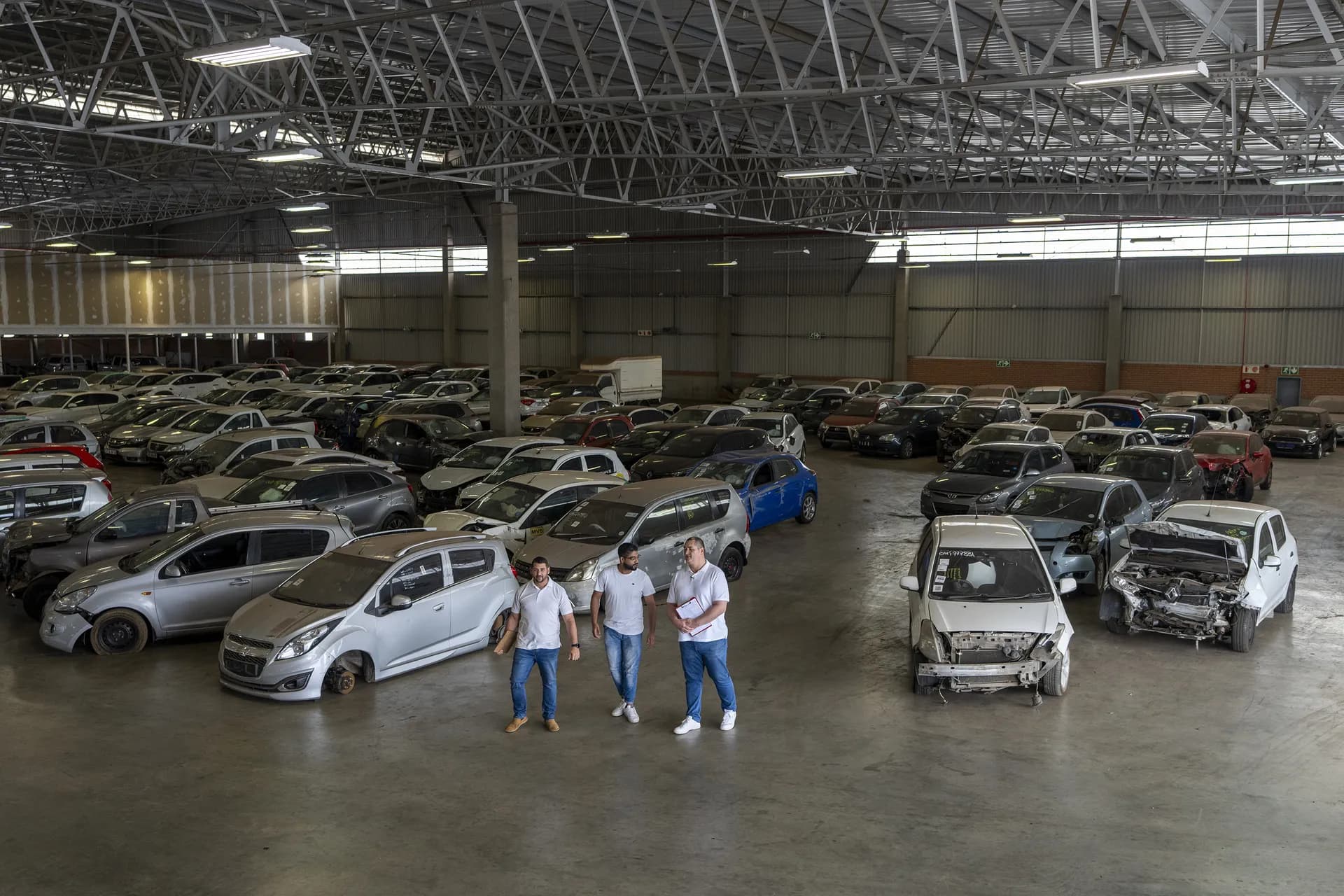
Clear Documentation
Gather registration, ID, insurer letters and any finance paperwork before transfer.
Know Your Options
Compare repair estimates vs specialist salvage offers to decide the best route.
Specialist Buyers Help
Choose buyers that handle towing, paperwork and fast payment nationwide.
Overview
Transferring salvage car ownership means moving legal title of a written-off, damaged or non-running vehicle from one owner to another. The process combines standard change-of-ownership steps with extra checks for salvage status, outstanding finance and insurer records. Knowing the correct steps reduces delays, helps you avoid disputes, and ensures compliance with South African registration rules.
When to sell versus repair
Deciding whether to repair a salvage vehicle or transfer ownership depends on repair cost, current market value, legal considerations and time. If repairs exceed a large portion of the vehicle’s pre-damage value, many owners sell to a buyer who specialises in salvage. For others, repairing locally or through a trade repairer can make sense when parts and labour are affordable.
Quick links for sellers
- Curious about selling a non-running vehicle? See Sell Non-Running Car for a simple online valuation process.
- If your vehicle has accident damage, compare options at our Sell Damaged Cars page.
How the process works (step-by-step)
Transferring salvage car ownership typically follows these stages. The sequence and documentation requirements are similar across licensing authorities, though local offices may request additional proof.
Step 1 - Verify status and liability
Confirm whether the vehicle is recorded as written-off or salvage with the insurer and whether there is outstanding finance. Vehicles under finance usually require consent from the finance house or settlement before transfer.
Step 2 - Prepare documentation
Key documents commonly needed include the registration certificate (if available), a signed sale agreement, the ID documents of seller and buyer, proof of address, and any insurer write-off documentation. Buyers should request a clear record of the vehicle’s salvage or repair history.
Step 3 - Complete change-of-ownership forms
Both parties must complete the relevant change-of-ownership declaration at a licensing office or online service where available. Once submitted and fees are paid, the new owner’s details are recorded on the national register.
Step 4 - Settlement and collection
After transfer agreements are finalised, the buyer arranges collection or towing. If you use a specialist buyer, they may offer free towing, handle paperwork and arrange deregistration. For an example of a streamlined service that includes towing and paperwork handling, see our About / How it works page.
Repair cost vs value retained
| Estimated repair cost (R) | Typical value retained after repair (%) | When selling may be preferable |
|---|---|---|
| R5,000 - R15,000 | 60-85% (depends on age) | Often repairable; consider repair if no finance issues |
| R15,000 - R50,000 | 40-70% | Sell if repair cost approaches market value |
| R50,000+ | <50% | Likely better to sell to a specialist buyer |
Note: figures are illustrative ranges for South Africa and will vary by make, model, year and local labour rates. Always get written repair estimates before deciding.
Legal & paperwork in South Africa
South African vehicle ownership transfers are recorded by provincial registering authorities and reflected on the national register. For salvage vehicles, expect additional checks such as insurer write-off confirmation and finance clearances. If a car is still bonded, the finance house often needs to be paid out or must provide formal consent for transfer to proceed.
Practical tip
Keep original documents and a signed sale agreement. If a vehicle has been declared a total loss by an insurer, request the insurer’s letter to show the exact status; this simplifies the transfer and avoids surprise rejections at the licensing office.
Damage types vs typical offer impact
| Damage type | Typical impact on offers | Notes for transfer |
|---|---|---|
| Structural/collision | High negative impact | Often recorded by insurer; provide full accident report |
| Mechanical failure (non-running) | Moderate impact | Clear fault description helps valuation |
| Flood or water damage | High negative impact | Full disclosure required due to electrical risks |
| Minor cosmetic | Lower impact | Easier transfer; still disclose issues |
Tips to maximise your offer before transfer
- Provide clear photos of damage and odometer readings; transparency builds trust with buyers.
- Gather service history and recent maintenance receipts to show ongoing care.
- Resolve or disclose any outstanding finance-buyers need clear title or a finance settlement plan.
- Use a specialist buyer who offers free towing and paperwork help to avoid logistical delays. See our homepage for service details: Sell Your Damaged Car.
What happens after collection
Once the buyer collects the vehicle, they typically finalise the change of ownership with the licensing authority and arrange any deregistration or salvage processing needed. If you sold to a licensed specialist, they will often provide a transfer receipt and confirm when the national register reflects the new owner. Payment is usually released or verified promptly after collection when the paperwork is in order.
Example scenario (Johannesburg)
A private owner in Johannesburg with a collision-damaged Corolla obtains a written offer from a specialist buyer. The buyer verifies there is no outstanding bond, arranges free towing from the owner’s address, handles the change-of-ownership submission at the local licensing office, and provides the seller with a receipt of transfer. The seller receives fast payment on collection day once identity and documents are confirmed.
Sources
Seasoned automotive specialists dedicated to helping you turn your damaged or non-running vehicle into cash fast and hassle-free.
Disclaimer: This content is for educational purposes only. Product availability, pricing, and specifications are subject to change. Always verify current details on the retailer's website before making a purchase. We may earn affiliate commissions from qualifying purchases.
Why sell your damaged car to us?

A Division of Auction Nation, the leading expert in selling damaged cars

Best price for your damaged car

Get a cash offer within 24h

We buy damaged cars in any condition

We buy accident- damaged cars still under finance

Free, no obligation offer on your vehicle
How We Calculate Your Damaged Car’s Value
Wondering how we calculate your car’s value? At Sell Your Damaged Car, we look at: Your car’s real condition, its salvage value, and the current market demand. It’s all about honesty, transparency, and fairness — that’s how we determine your offer.
Frequently Asked Questions
Get answers to common questions about Legal And Paperwork
Why Choose Sell Your Damaged Car?
Free Towing
Need a tow? We got you
Hassle Free
Get a cash offer within 24h!
Nationwide
Somewhere remote? No problem!
