
Storm Damaged Car Valuation Tips South Africa - How to Assess Value After Severe Weather
Learn how storm damage affects vehicle value in South Africa, what to document, repair vs sell decisions, and tips to improve valuation for specialist buyers.
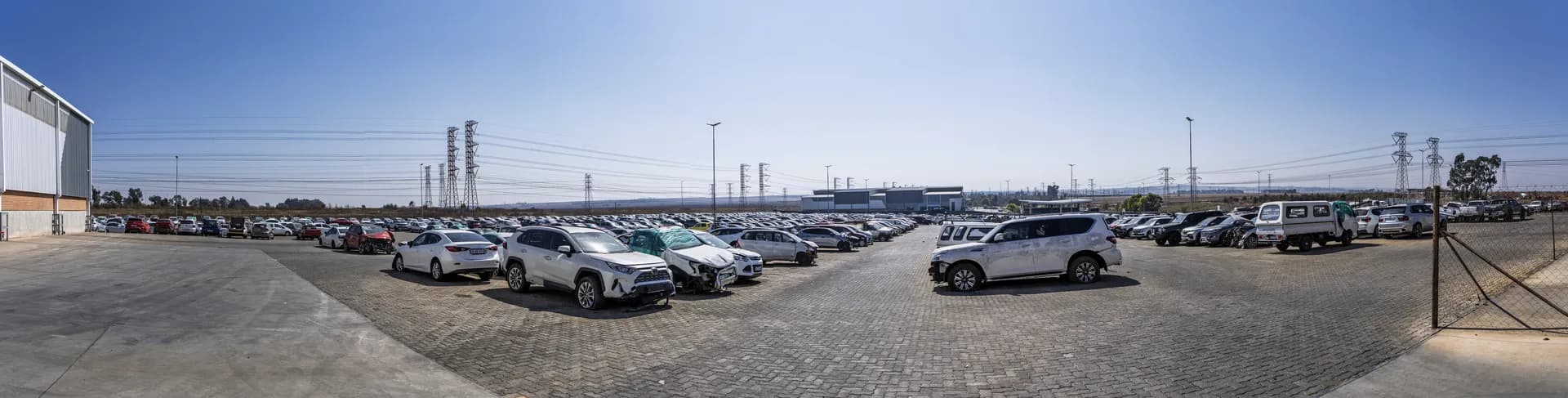
Document Damage Thoroughly
Photos, dates and reports improve trust and valuation accuracy.
Weigh Repair vs Sell
Compare estimated repair costs to likely retained value in SA.
Paperwork & Nationwide Collection
Buyers who handle deregistration and towing simplify the sale.
Overview: Storm-damaged car valuation tips South Africa
Storm damage-hail, fallen trees, flooding or wind-blown debris-creates a mix of visible and hidden faults that affect market value. This guide explains how storm damage typically affects valuation in South Africa, what documentation and photos buyers and insurers look for, and practical steps to present your vehicle clearly when seeking a cash offer from a specialist buyer.
Quick note
If you plan to sell after a storm, capture clear photos, record the date of damage and keep any police or insurance reports. These items help with trust and transparent valuation.
When to sell vs repair after storm damage
Deciding whether to repair or sell depends on repair cost, the vehicle’s pre-damage market value, and your tolerance for time and risk. Small cosmetic repairs (stone chips, minor dents) may be worth fixing, but structural, flood or engine-contaminating damage usually reduces resale value significantly. For many owners, selling to a specialist who buys any-condition cars is faster and avoids ongoing storage or repair uncertainty.
Repair cost vs value retained
| Typical repair range (estimate) | Estimated value retained after repair (SA context) | When repair may be justified |
|---|---|---|
| R1,000 - R10,000 (minor dents, paint) | 80%-95% of pre-damage retail value | Cosmetic faults with low labour cost |
| R10,000 - R50,000 (body panels, windscreen) | 60%-80% of pre-damage retail value | Moderate structural or glazing damage |
| R50,000+ (flooding, engine, chassis) | 30%-60% (or lower) depending on severity | Major mechanical/flood damage - often uneconomic to repair |
Figures above are indicative ranges for South Africa and depend on vehicle age, make and local labour/parts costs. Use them to judge whether a repair will likely recover enough value to justify the expense.
How a specialist valuation process works
Specialist buyers who purchase storm-damaged vehicles evaluate offers differently from private buyers or dealers. The usual steps are: document damage, provide clear photos, disclose service history and ownership, and share any insurance or police reports. Many buyers consider salvageability, likely repair cost, and the parts market demand when forming an offer.
If you want to understand a full buyer process and typical inclusions-such as free towing and paperwork handling-see our About / How it works page. If your car won’t run after storm damage, our guidance on selling non-running vehicles explains special handling and valuation factors: Sell Non-Running Car.
What buyers check
- Extent of visible body and glazing damage
- Signs of water ingress (flooring, electronics, corrosion)
- Structural issues (bent subframes, suspension damage)
- Whether parts can be resold or reused in the local salvage market
Legal & paperwork in South Africa for storm-damaged cars
When selling a storm-damaged vehicle in South Africa, you should know the basic paperwork steps: provide signed proof of sale, hand over the vehicle’s registration documents, and complete deregistration if the buyer arranges transfer. If your vehicle is insured, check whether the insurer requires a police report or specific claims documentation. A buyer that handles deregistration and paperwork reduces your administrative burden and helps avoid future liability.
Damage types vs typical offer impact
| Damage type | Typical impact on offers | What to document |
|---|---|---|
| Cosmetic (dents, paint, windscreen chips) | Moderate reduction; repairable | Close-up photos, repair estimates if available |
| Glass & trim (windscreens, mirrors) | Lower impact if quick to replace | Photos of cracks and surrounding panels |
| Flood or water ingress | High impact; affects electronics and resaleability | Date of flooding, interior photos, engine start attempts |
| Structural/subframe damage | Very high impact; often classed as salvage | Inspection report, measurements or bodyshop notes |
Tips to maximise your storm-damaged car valuation
- Photograph thoroughly: exterior from multiple angles, interior, engine bay, underbody where safe, and VIN/chassis plate.
- Time-stamp evidence: note the storm date and any official weather or incident reports.
- Be honest and thorough in descriptions-undisclosed issues reduce trust and may lower offers.
- Obtain simple repair or inspection estimates for critical items (windshield, panel, electronics) to show a buyer.
- Keep service history and keys accessible-complete documentation supports confidence and can increase offers.
If your car is primarily cosmetically affected and you prefer repair routes, review our guidance on selling damaged vehicles for further context: Sell Damaged Cars. If the storm rendered the vehicle non-running, our Sell Non-Running Car guidance explains additional valuation considerations for non-starters.
What happens after you accept a specialist buyer offer?
Specialist buyers typically follow a clear checklist after an offer is accepted: arrange free towing or collection nationwide, handle transfer and deregistration paperwork, and complete payment. For South African sellers, confirmation of payment into a nominated bank account and a signed proof of sale are important to keep. You can also review our overall process on the homepage for expected timelines and inclusions: Sell Your Damaged Car homepage.
Practical examples (South Africa)
Example: a 10-year-old hatch with minor hail dents might require R5,000-R15,000 in paint and panel work; such repair costs are typically weighed against the car’s remaining market value. A flood-affected vehicle with electrical faults can carry much higher repair risk and often sees offers reduced substantially because of hidden long-term problems. These ranges are illustrative and depend on specific vehicle condition, model desirability and local parts availability.
Sources
- South African Weather Service - storm and severe weather advisories
- AA South Africa - vehicle advice and basic repair costing guidance
- Department of Transport - vehicle registration and transfer information
If you need a fast, transparent valuation after storm damage, present clear photos, documentation and preferred collection locations. Specialist buyers who operate nationwide can often provide immediate offers and handle towing and paperwork - reducing stress and time spent dealing with repairs or private-sale logistics.
Seasoned automotive specialists dedicated to helping you turn your damaged or non-running vehicle into cash fast and hassle-free.
Disclaimer: This content is for educational purposes only. Product availability, pricing, and specifications are subject to change. Always verify current details on the retailer's website before making a purchase. We may earn affiliate commissions from qualifying purchases.
Why sell your damaged car to us?

A Division of Auction Nation, the leading expert in selling damaged cars

Best price for your damaged car

Get a cash offer within 24h

We buy damaged cars in any condition

We buy accident- damaged cars still under finance

Free, no obligation offer on your vehicle
How We Calculate Your Damaged Car’s Value
Wondering how we calculate your car’s value? At Sell Your Damaged Car, we look at: Your car’s real condition, its salvage value, and the current market demand. It’s all about honesty, transparency, and fairness — that’s how we determine your offer.
Frequently Asked Questions
Get answers to common questions about Tips And Advice
Why Choose Sell Your Damaged Car?
Free Towing
Need a tow? We got you
Hassle Free
Get a cash offer within 24h!
Nationwide
Somewhere remote? No problem!
