
Storm Damaged Car: Panel Beating Cost vs Selling in South Africa
Compare panel-beating cost ranges with selling options for storm-damaged cars in South Africa. Practical guidance, SA-specific paperwork notes and examples in R.
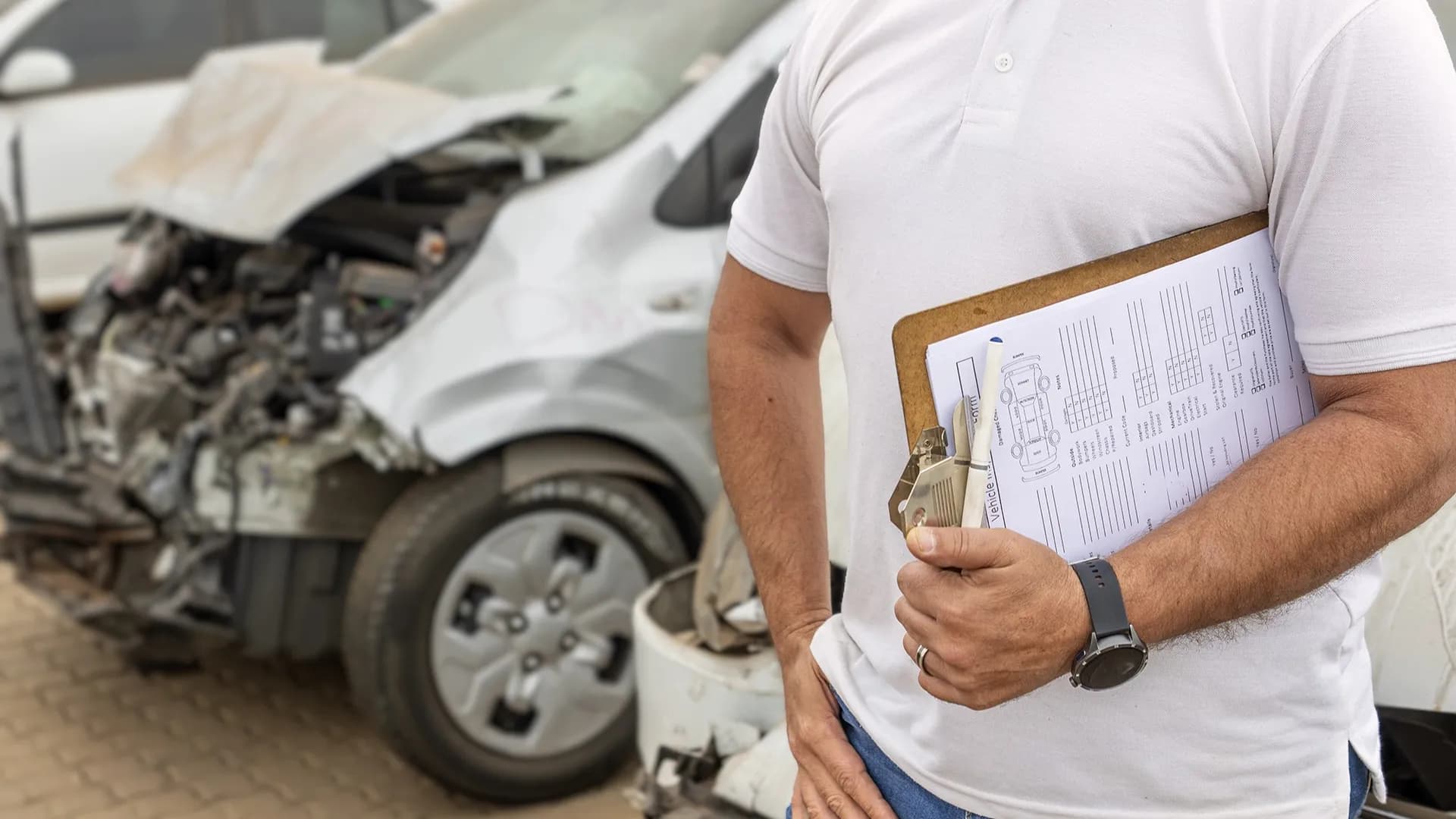
Repair vs Sell Checklist
Assess repair cost, structural risk and pre-damage market value before deciding.
Cost Ranges Explained
Typical South African panel-beating ranges and how they affect retained value.
Paperwork & Practical Steps
Know transfer, deregistration and finance-holder obligations in SA.
Overview: Storm damage, panel beating and your options
Storm damage in South Africa - hail, fallen branches, wind and localized flooding - can produce a wide range of bodywork problems from dents and scratched panels to structural issues. When a vehicle owner searches for storm-damaged-car-panel-beating-cost-vs-selling-sa they want practical comparisons: what will panel beating cost, how much value will repairs retain, and when selling the vehicle (as damaged) is more sensible. This guide looks at realistic South African examples, cost ranges in R, and the practical steps for owners in Johannesburg, Cape Town, Durban and surrounding areas.
When to repair (panel beating) vs when to sell
Deciding whether to invest in panel beating after storm damage depends on three core factors: the scale of visible damage, hidden or structural damage risk, and the vehicle's market value before the storm. Use the following checklist to quickly assess which route may suit you:
- Minor cosmetic dents and scratches on a higher-value vehicle - repairs often make sense if repair cost is a small proportion of pre-damage value.
- Large panel damage, roof dents, structural edge damage, or water/flooding - selling may be preferable because repair costs and future reliability concerns rise.
- Vehicles with low market value (older models, high mileage) - selling for cash as-is frequently provides a faster, lower-risk outcome than expensive panel beating.
Repair cost vs value retained (typical ranges)
| Type of Repair | Estimated Cost (R) | Typical Value Retained |
|---|---|---|
| Paintless dent repair (small dents) | R500 - R3,000 | High (close to pre-damage market value) |
| Panel beating and repaint (multiple panels) | R4,000 - R25,000 | Moderate (depends on quality and visible finish) |
| Structural repairs (roof rails, frame) | R15,000 - R70,000+ | Low to uncertain (disclosed history can reduce resale value) |
Notes: Figures are illustrative South Africa estimates and will vary by make, model, workshop and area (Cape Town, Johannesburg and Durban labour rates differ). Structural repairs typically carry the biggest hit to retained value because buyers and insurers factor in long-term risk and disclosure requirements.
If you want an explanation of our buying process and how damaged vehicles are valued in practice, read our About / How it works page. For owners with non-running vehicles after a storm, the Sell Non-Running Car resource outlines options specific to immobilised cars.
How the selling process compares to panel beating
Selling a storm-damaged car (rather than repairing it) typically shortens the timeline, removes towing and repair coordination burdens, and converts the asset to cash without ongoing risk. In South Africa many buyers, including specialist services, consider total condition, salvage demand and the cost to refurbish when making offers.
Damage types vs typical offer impact
| Damage Type | Typical Effect on Offer |
|---|---|
| Superficial dents & scratched panels | Small reduction; repairable at modest cost |
| Roof/structural damage (eg. heavy hail, fallen tree) | Significant reduction; may be deemed repair-uneconomical |
| Water ingress/flooding | High impact; buyers price in electrical and corrosion risk |
| Glass damage (windscreen, windows) | Moderate impact; often straightforward to repair |
Legal & paperwork considerations in South Africa
Before you decide to repair or sell, understand the paperwork obligations in South Africa. If you sell a damaged vehicle you must provide accurate disclosure of the condition, complete the necessary ownership transfer documents and, where applicable, assist with deregistration. If your car is under finance, you must notify the finance house as their consent may be required for sale.
Our site explains how we handle paperwork and deregistration when we buy damaged vehicles; see the Sell Damaged Cars page for practical details on transfer and documentation. For general context about national vehicle administration, the Department of Transport maintains guidance that owners should review.
Practical tips to maximise value if you opt to sell
- Document damage clearly: clear photos of all affected panels, interior, under-carriage and engine bay increase buyer confidence.
- Provide service history and ownership documents - even basic maintenance records can improve offers.
- Get multiple repair and valuation quotes: compare a panel-beater estimate with offers from specialist buyers to see which is more economical.
- If the vehicle is non-running after storm damage, review the guidance on selling non-running cars to understand towing inclusions and typical timelines; this can be found on our homepage.
What happens after collection when you sell the damaged car
When you accept an offer from a reputable buyer, typical steps in South Africa include paperwork completion (transfer of ownership), free towing or collection, and payment clearance. Specialist buyers often handle deregistration and notify the licensing authorities where required. Expect timelines to vary: payment is usually released after documentation is verified and collection is confirmed.
Example scenario (South African context): a 10-year-old vehicle with roof dents from hail - a panel-beating bill might be R18,000 (structural correction plus repaint). If the pre-damage market value was R95,000, that repair would restore some value but buyers may still mark the vehicle down for a disclosed history. Selling as-is to a specialist may yield a competitive cash offer that avoids repair risk and towing costs. These figures are illustrative and actual quotes will vary by region and vehicle.
Final considerations
There is no one-size-fits-all answer. For minor cosmetic storm damage on a late-model car, panel beating can be cost-effective and preserve resale value. For heavy structural or flood damage, or older vehicles with low market value, selling as damaged can be faster, lower risk and financially sensible. Compare multiple repair estimates and offers from reputable buyers before deciding.
Sources
- Automobile Association of South Africa - general vehicle maintenance and repair guidance
- Department of Transport (South Africa) - vehicle registration and transfer information
- South African Police Service - reporting storm or theft-related vehicle incidents
- FSCA (Financial Sector Conduct Authority) - insurance consumer guidance in South Africa
Seasoned automotive specialists dedicated to helping you turn your damaged or non-running vehicle into cash fast and hassle-free.
Disclaimer: This content is for educational purposes only. Product availability, pricing, and specifications are subject to change. Always verify current details on the retailer's website before making a purchase. We may earn affiliate commissions from qualifying purchases.
Why sell your damaged car to us?

A Division of Auction Nation, the leading expert in selling damaged cars

Best price for your damaged car

Get a cash offer within 24h

We buy damaged cars in any condition

We buy accident- damaged cars still under finance

Free, no obligation offer on your vehicle
How We Calculate Your Damaged Car’s Value
Wondering how we calculate your car’s value? At Sell Your Damaged Car, we look at: Your car’s real condition, its salvage value, and the current market demand. It’s all about honesty, transparency, and fairness — that’s how we determine your offer.
Frequently Asked Questions
Get answers to common questions about Comparison And Alternatives
Why Choose Sell Your Damaged Car?
Free Towing
Need a tow? We got you
Hassle Free
Get a cash offer within 24h!
Nationwide
Somewhere remote? No problem!
