
Storm-Damaged Car FAQ - Durban Owners’ Guide
Durban FAQ for storm-damaged cars: learn common damage, when to sell vs repair, South African paperwork, and practical tips to protect value.
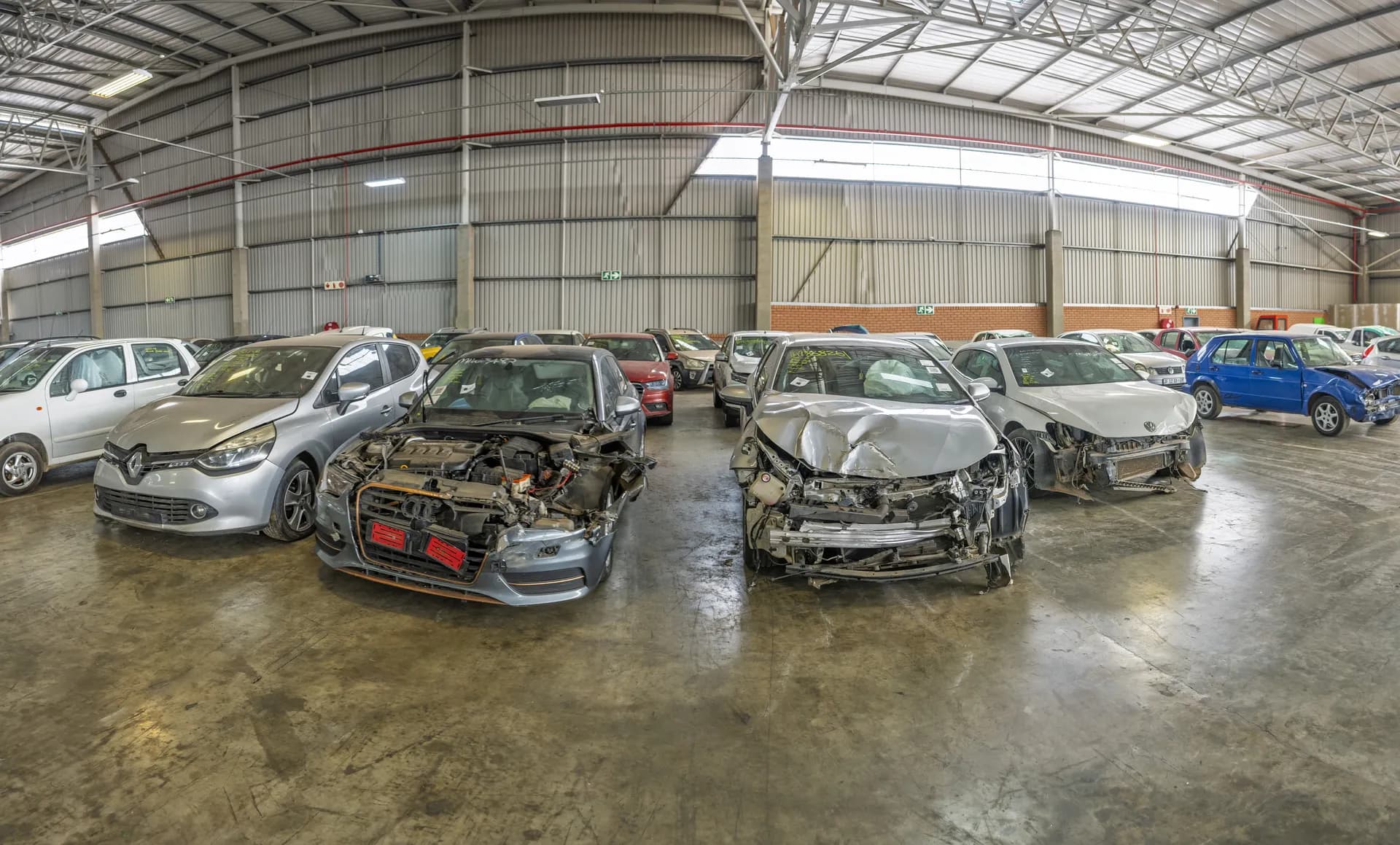
Common Storm Damage
Hail, flood, wind and debris affect value and safety differently.
Sell vs Repair Guidance
Compare repair costs to market value and insurance outcomes before deciding.
Durban-Specific Paperwork
Expect deregistration, finance notifications and insurer reports handled professionally.
Overview: storm-damaged cars in Durban
Coastal cities like Durban face heavy summer storms, including hail, wind, flooding and falling debris. If your vehicle has storm damage - from shattered glass, dented bodywork, water ingress to electrical faults - this FAQ explains practical next steps specific to South Africa and Durban-area owners. It covers safety, valuation, repair vs sell decisions, and the paperwork that commonly follows.
Common storm damage types and immediate risks
- Hail dents and broken windows - cosmetic but can expose interiors to rain.
- Flood and water ingress - risk to engine, gearbox, electronics and airbag systems.
- Wind and impact damage - body panels, roof, lights and alignment can be affected.
- Debris damage - punctures, underside damage or structural concerns after heavy impacts.
| Damage type | Typical impact on valuation | Immediate owner action |
|---|---|---|
| Hail / cosmetic dents | Moderate - affects resale but often cost-effective to repair depending on extent | Document damage with photos; keep receipts for any temporary weatherproofing |
| Flood / water ingress | High - may lead to write-off or reduced offers due to electrical risks | Do not start the engine; seek professional assessment and insurer advice |
| Wind / impact (panels, glass) | Variable - structural or alignment damage reduces value more than panel dents | Check for structural issues and get a written estimate |
Safety first: If your car sustained flood or structural damage, avoid driving it. Water in electrical systems or bent chassis components can be dangerous.
When to sell vs repair
Deciding whether to repair a storm-damaged car or sell it depends on repair cost, vehicle market value, insurance position and how soon you need the cash or a working vehicle. If estimated repairs approach or exceed a large percentage of the car’s market value, selling-especially through a specialist that buys any condition-can be a faster, lower-risk choice for Durban owners.
Key considerations
- Get at least two written repair estimates that itemise parts and labour.
- Check your insurer’s assessment - your vehicle may be declared a total loss depending on policy terms.
- Factor in downtime, towing costs and the inconvenience of repeated garage visits in Durban.
- Compare repair cost vs likely resale or salvage offer before committing.
For detailed scenarios on non-running vehicles and damaged cars, see the service pages on selling non-running or damaged vehicles. Learn more about selling a non-running vehicle here: Sell Non-Running Car and for broader damaged-vehicle guidance visit our Sell Damaged Cars page.
How the process works (Durban context)
Specialist buyers that purchase storm-damaged vehicles follow a simple path: you upload photos and vehicle details, receive a transparent offer, accept if you choose, then the buyer arranges towing, paperwork and payment. For Durban, expect local collection scheduling with attention to access and safe loading in coastal or suburban locations.
Steps you can expect
- Photograph damage from multiple angles and note the event date and location.
- Submit vehicle details and photos through the buyer’s online valuation form.
- Receive an obligation-free written offer that explains included items such as towing and paperwork handling.
- If you accept, collection is scheduled and the buyer completes transfer paperwork and payment on collection.
For an overview of how a specialist buyer handles the sale process, including paperwork and collection, see the company About / How it works page.
Repair cost vs value retained (example estimates)
Below are illustrative ranges for Durban-area scenarios. Values are estimates to show how repair costs can affect retained value; actual figures vary by vehicle make, age and condition.
| Scenario | Estimated repair cost (R) | Typical retained value after repair |
|---|---|---|
| Minor hail & glass replacement | R2,000 - R15,000 | High (70-90% of pre-storm value) |
| Moderate panel + alignment | R10,000 - R40,000 | Variable (50-75% of pre-storm value) |
| Flood or major electrical | R25,000 and up (often higher) | Low (may be written off; salvage market applies) |
Legal & paperwork in South Africa
After agreeing a sale, paperwork typically includes a written sale agreement, proof of ownership, roadworthy status (if applicable) and deregistration or transfer documents. If the vehicle is financed, the finance house must be notified and their settlement or transfer instructions followed. Specialist buyers often handle deregistration and transfer admin on behalf of the seller, which reduces the administrative burden for Durban owners.
Insurance and disputes
If you claim storm damage through your insurer, keep all correspondence and the insurer’s assessment report. If a dispute arises about claim handling, the Ombudsman for Short-Term Insurance can advise on disputes in South Africa.
Tips to maximise your offer
- Provide clear, well-lit photos taken close-up and from a distance to show context.
- Include copies of service history, recent receipts and any pre-storm condition evidence.
- Be honest about running condition - transparency speeds valuation and reduces post-sale issues.
- If the car won’t start, note this explicitly and include photos of the engine bay and underside if safe to access.
What happens after collection
After collection in Durban, specialist buyers usually complete the sale paperwork on-site, arrange deregistration or transfer, and release payment promptly. If the buyer handles deregistration, request confirmation documents and a payment receipt. Keep copies for your records and any future insurance or finance reconciliation.
For general context about selling damaged vehicles and the types of cars we buy nationwide, including Durban, see our homepage: Sell Your Damaged Car home. If your vehicle is non-running after a storm, our focused guidance is available on the Sell Non-Running Car page: Sell Non-Running Car.
Final practical example (Durban)
Example: a 2012 hatchback in Durban with moderate flood damage. Independent repair estimate: R35,000. Market value pre-storm: R60,000. After factoring repair risk and salvage demand, many owners choose a specialist sale rather than pay for repairs that reduce overall equity and carry electrical uncertainty. These figures are illustrative; obtain written estimates for your vehicle.
Sources
Seasoned automotive specialists dedicated to helping you turn your damaged or non-running vehicle into cash fast and hassle-free.
Disclaimer: This content is for educational purposes only. Product availability, pricing, and specifications are subject to change. Always verify current details on the retailer's website before making a purchase. We may earn affiliate commissions from qualifying purchases.
Why sell your damaged car to us?

A Division of Auction Nation, the leading expert in selling damaged cars

Best price for your damaged car

Get a cash offer within 24h

We buy damaged cars in any condition

We buy accident- damaged cars still under finance

Free, no obligation offer on your vehicle
How We Calculate Your Damaged Car’s Value
Wondering how we calculate your car’s value? At Sell Your Damaged Car, we look at: Your car’s real condition, its salvage value, and the current market demand. It’s all about honesty, transparency, and fairness — that’s how we determine your offer.
Frequently Asked Questions
Get answers to common questions about Damage Types
Why Choose Sell Your Damaged Car?
Free Towing
Need a tow? We got you
Hassle Free
Get a cash offer within 24h!
Nationwide
Somewhere remote? No problem!
