
Steps to Sell a Damaged Car in KwaZulu-Natal - Practical Guide
Learn practical steps to sell a damaged or non-running car in KwaZulu-Natal. Advice on photos, paperwork, towing, offers and what to expect after collection.
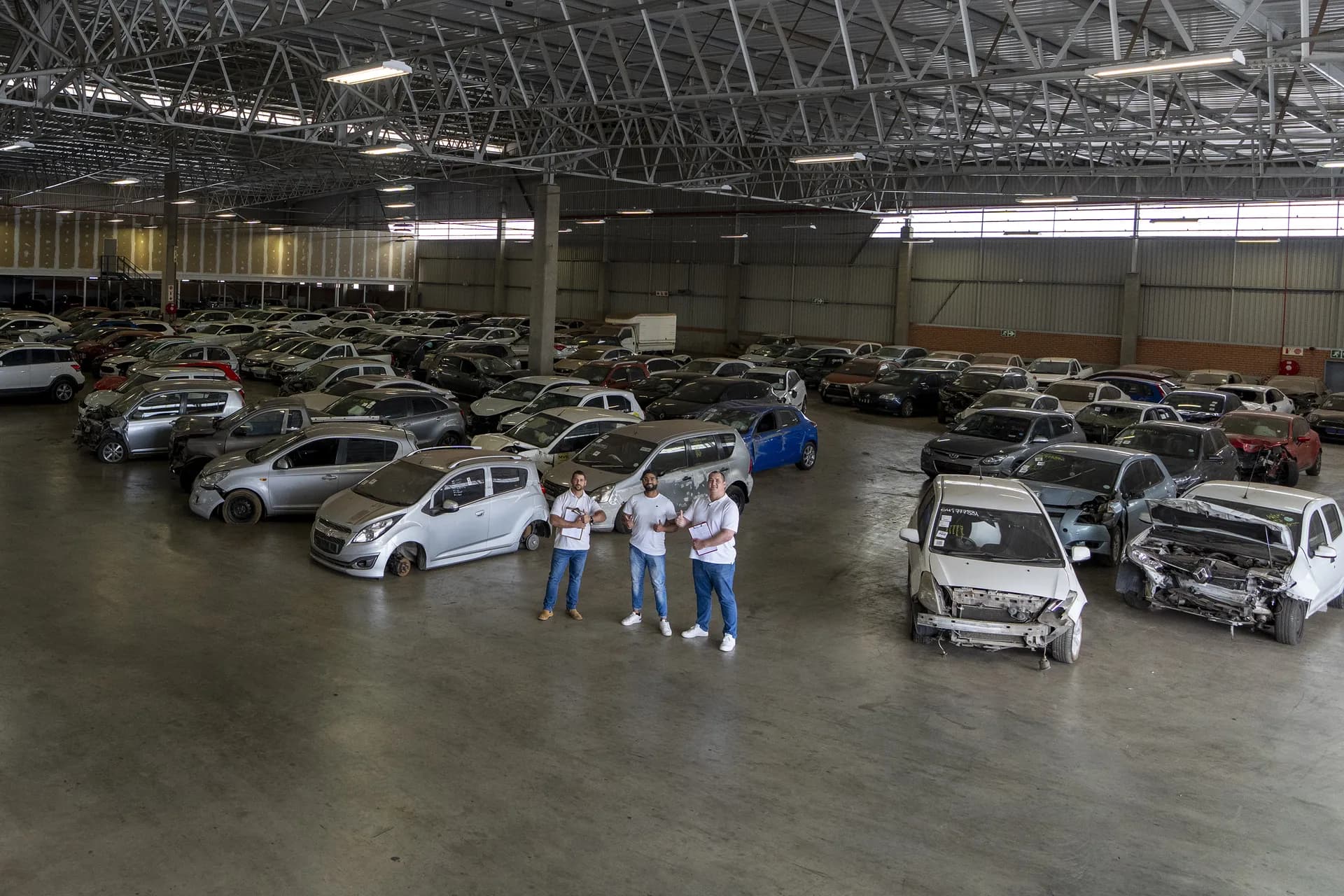
Clear local steps
Step-by-step actions tailored to KwaZulu-Natal vehicle owners.
Paperwork & towing
What to prepare and how free towing and deregistration work in SA.
How offers vary
Damage type, repair costs and salvage demand affect valuations.
Overview: Selling a damaged car in KwaZulu-Natal
If your vehicle has accident damage, flood or fire damage, or is no longer running, selling can be faster and less costly than repairing. This guide explains practical steps for owners in KwaZulu-Natal - including Durban, Pietermaritzburg, Richards Bay and surrounding towns - and highlights paperwork, towing and how local salvage demand can affect offers.
Local note: transport logistics and salvage demand vary across KZN. Coastal ports and industrial hubs often have stronger salvage markets for certain vehicles, which can influence the timeliness of collection and valuation.
When to sell versus when to repair
Deciding whether to sell or repair depends on repair cost, the car’s market value, downtime and safety. For many owners in KZN the tipping point is when estimated repair costs approach or exceed a significant share of market value, or when the vehicle is non-running and repair logistics are complex.
Repair cost vs value retained (illustrative estimates for South Africa)
| Repair scenario | Typical repair cost (R, estimate) | Estimated value retained after repair |
|---|---|---|
| Minor panel & paint work | R3,000 - R12,000 | 80-95% of pre-damage market value |
| Structural chassis or major panel repairs | R20,000 - R80,000+ | 30-70% of pre-damage market value |
| Engine or gearbox failure (non-running) | R10,000 - R60,000+ | Varies widely; often lower resale without major investment |
Amounts above are illustrative South African ranges and will vary by make, model, year and local labour/parts costs. Use these to compare expected repair spend against practical alternatives like selling to a specialist buyer.
First steps to prepare your vehicle for sale
- Document the damage: take clear photos from multiple angles, including engine bay, undercarriage (if visible), odometer and VIN/chassis plate.
- Gather paperwork: registration certificate, service history, police accident report if available, and proof of identity.
- Check finance status: if the vehicle is bonded, note the lender and outstanding balance.
- Estimate urgency: consider whether immediate removal (to save storage costs or prevent further deterioration) matters for you.
If you want a clear explanation of how the sale process works and what to expect, our About & How it works page outlines common steps and timelines. Learn how the process works.
For non-running vehicles in particular, see the specialist guidance on selling non-running cars to understand towing and valuation differences. Sell Non-Running Car.
How the sale process typically works in KwaZulu-Natal
A reliable buyer follows clear steps: an online valuation, an offer based on condition and data, agreement on collection, paperwork completion and payment. Below is a practical step-by-step sequence you can expect when selling a damaged vehicle in KZN.
Step-by-step selling steps
- Submit vehicle details and photos via an online form or email. Include accurate damage notes and location (city/suburb in KwaZulu-Natal).
- Receive a transparent, obligation-free cash offer based on condition and market demand; ask for the valuation basis if unclear.
- If you accept, schedule collection. Specialist buyers often provide free towing across South Africa, including all KZN regions.
- Complete paperwork at collection: transfer of ownership, proof of ID, and any lender settlement if under finance. Payment is released after verification.
Damage types vs typical offer impact (guidance)
| Damage type | Typical impact on offers |
|---|---|
| Minor cosmetic damage | Lower negative impact; easier resale or repairable by buyers |
| Structural/chassis damage | Significant impact; often quoted as salvage/write-off depending on severity |
| Engine/gearbox failure (non-running) | Offers reflect repair or part-out value; transport costs factor in |
| Flood or fire damage | Often treated as total loss by insurers; salvage demand varies by parts and model |
Legal & paperwork essentials for South Africa
Key legal steps include transfer of ownership, completing relevant forms, and dealing with any outstanding finance. Buyers who handle deregistration and transfer reduce administrative burden for sellers. If the vehicle is bonded, settlement with the lender is required before clean transfer of title.
Tips to maximise your offer
- Provide clear, recent photos and be transparent about damage - accurate information leads to faster, firmer offers.
- Include service records and any receipts for recent work; buyers value documentation for parts and resale planning.
- Prepare ID and ownership documents to speed up transfer and payment on collection.
- If unsure about the buyer, ask for written valuation criteria and examples of previous collections in KwaZulu-Natal to confirm experience.
For more detail about selling damaged cars and the specific services available for damaged vehicles, see the Sell Damaged Cars page which explains accepted conditions and common next steps. Sell Damaged Cars. To return to the main site and explore other resources, visit our homepage. Sell Your Damaged Car homepage.
What happens after collection
After collection the buyer typically completes ownership transfer, handles deregistration where applicable, and arranges transport to a salvage or repair facility. Payment processes vary but reputable buyers release payment promptly after verification and paperwork completion. Keep copies of all transfer documents and payment receipts for your records.
Practical example (experience-based)
A private owner in Durban with a non-running car may save on storage and ongoing costs by selling to a specialist buyer who arranges free towing from the property and handles the transfer. This avoids local towing fees and repeated inspection appointments - factors that commonly extend timelines in provincial settings.
Sources
Seasoned automotive specialists dedicated to helping you turn your damaged or non-running vehicle into cash fast and hassle-free.
Disclaimer: This content is for educational purposes only. Product availability, pricing, and specifications are subject to change. Always verify current details on the retailer's website before making a purchase. We may earn affiliate commissions from qualifying purchases.
Why sell your damaged car to us?

A Division of Auction Nation, the leading expert in selling damaged cars

Best price for your damaged car
Get a cash offer within 24h

We buy damaged cars in any condition

We buy accident- damaged cars still under finance

Free, no obligation offer on your vehicle
How We Calculate Your Damaged Car’s Value
Wondering how we calculate your car’s value? At Sell Your Damaged Car, we look at: Your car’s real condition, its salvage value, and the current market demand. It’s all about honesty, transparency, and fairness — that’s how we determine your offer.
Frequently Asked Questions
Get answers to common questions about LOCATIONS
Why Choose Sell Your Damaged Car?
Free Towing
Need a tow? We got you
Hassle Free
Get a cash offer within 24h!
Nationwide
Somewhere remote? No problem!
