
South African Market for Damaged Vehicles: Trends, Value Drivers & What Sellers Should Know
Understand how damaged-vehicle offers are formed in South Africa, repair vs sell decisions, legal paperwork and practical tips to improve your cash offer.
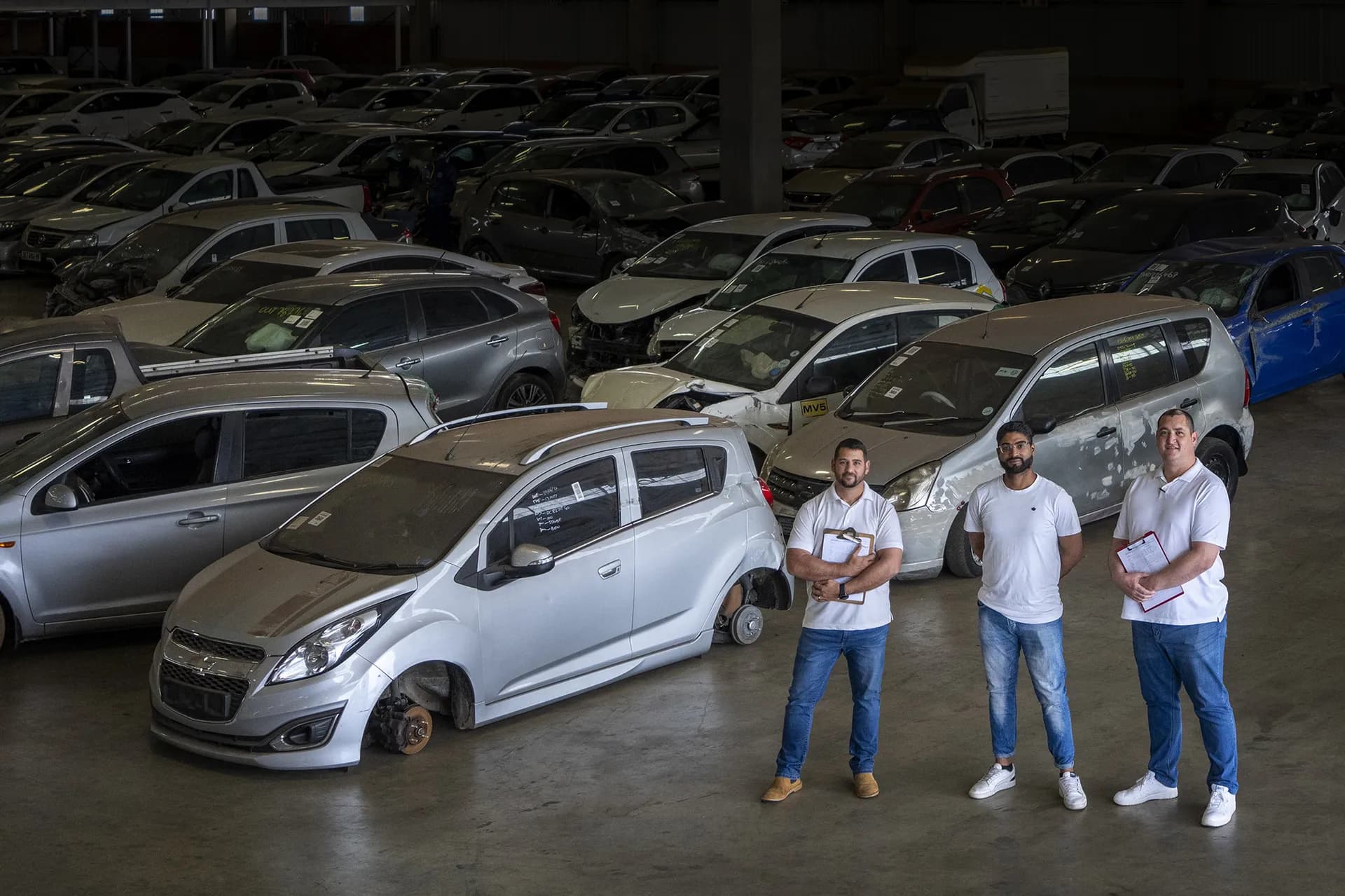
Market Overview
Demand depends on parts value, repair costs and local salvage channels.
Sell vs Repair
Compare repair estimates to likely retained value and time-to-sell.
Practical Next Steps
Provide clear photos, disclose finance, and get multiple reputable offers.
Overview: the South African market for damaged vehicles
The South African market for damaged vehicles covers written-off accident cars, flood or fire affected vehicles, non-running units and salvage destined for parts, repair or export. Market participants include insurers, repairers, breakers/recyclers, specialist buyers and private sellers. Demand and pricing depend on vehicle make, model, age, condition, parts demand and local salvage channels in metros such as Johannesburg, Cape Town and Durban.
For many owners the main question is liquidity versus retained value: how quickly can the vehicle be turned into cash, and how much of the pre-damage value is realistically recoverable? Typical routes are insurer settlement (if insured), private sale to a buyer who will repair, sale to a dismantler, or selling to a specialist that handles salvage and towing.
If you want a concise view of options from a specialist buyer perspective, see our company overview on the About / How it works page.
How market value is formed
Offers for damaged vehicles reflect three core components: residual vehicle value (based on make, model, year and mileage), estimated repair or salvage cost, and the strength of downstream demand (local parts market, export buyers, or scrap value). Geographic factors matter - vehicles in or near major centres (Johannesburg, Cape Town, Durban) often attract stronger offers because logistics and parts demand lower collection and processing costs.
When to sell vs repair
Owners choosing between repair and selling should weigh repair estimates against the likely change in market value after repair, as well as time, risk and additional costs. Repairs can make sense when the cost is a modest fraction of the car’s market value and you plan to keep the vehicle long-term. Selling is often preferable when repair costs approach or exceed a significant share of the vehicle’s pre-damage value, the car is non-running, or when you want fast, low-effort liquidity.
| Repair cost (estimate) | Typical value retained after repair | When repair is sensible |
|---|---|---|
| Under R10,000 | Most value retained if repairs are documented | Minor bodywork, panel replacement, mechanical tune-up |
| R10,000 - R40,000 | Partial recovery; depends on model desirability | Moderate repairs for higher-value models |
| Above R40,000 | Uncertain; may exceed residual market value | Usually a candidate for sale rather than repair |
These bands are illustrative and context-specific; for example, a R45,000 repair on a low-value, older car typically does not increase its marketability. If you need practical examples for non-running vehicles, review our guidance on the Sell Non-Running Car page to see what information buyers require.
Key market channels and participants
- Insurers: assess total loss and settle claims; often sell salvage to auction or brokers.
- Specialist salvage buyers: purchase any-condition vehicles for cash and handle towing and paperwork.
- Breakers and recyclers: buy vehicles for parts and metal recovery.
- Private buyers and repair shops: may buy repairable vehicles for resale.
If you want a quick sense of how specialist buyers operate and the services they include (free towing, paperwork handling and fast payment), the company homepage provides a practical overview of the typical online valuation-to-collection workflow: Sell Your Damaged Car home.
How the process typically works for sellers
A common, efficient route is: submit vehicle details and photos online; receive a transparent offer based on condition and market demand; accept or decline; the buyer arranges free towing, completes paperwork (including deregistration where applicable) and releases payment. Turnaround can range from same-day offers to collection within a few days depending on location.
Legal & paperwork considerations in South Africa
Key legal points for sellers in South Africa include transfer of ownership, deregistration of written-off vehicles and ensuring clear records where the vehicle is under finance. If a vehicle is financed, partners must inform the financier and settle any outstanding balance; many specialist buyers will coordinate with financiers to ensure lawful transfer. Always retain copies of identity documents, registration papers and any written settlement or payment proof.
Damage types and typical offer impact
| Damage type | Typical impact on offers | Notes (SA context) |
|---|---|---|
| Minor panel damage | Small reduction; repairable | Offers stronger near major centres where bodyshops are plentiful |
| Structural/frame damage | Significant reduction | Often classified as write-off by insurers |
| Flood or water damage | Major reduction; electrical risk | Buyers assess corrosion risk and parts reuse |
| Fire damage | Severe reduction | Often sold for parts or scrap |
| Mechanical failure (non-running) | Variable; depends on engine and drivetrain | High-demand engines can retain value for parts |
Tips to maximise your offer
- Provide clear photos from multiple angles and close-ups of damage; transparency builds trust with buyers.
- Share accurate maintenance history and copies of service records where available; documented parts and repairs can increase value.
- Declare outstanding finance-buyers will ask and coordinated settlement is standard practice.
- Compare offers from reputable buyers and check reviews; a competitive cash offer today may be preferable to uncertain repair outcomes.
For more practical seller tips and the service process from an experienced buyer, see our Sell Damaged Cars guidance and the explanation of how specialist collections and paperwork work on the About / How it works page.
What happens after collection
After collection, buyers typically complete a final inspection, settle any agreed payment and process title transfer or deregistration where applicable. If the vehicle is being exported, dismantled for parts or scrapped, sellers should receive written confirmation of sale and a final statement showing payment and transfer. Retain these records for tax or finance reconciliation.
Practical South Africa scenarios
Example 1: An older, non-running bakkie in a Johannesburg suburb may attract stronger local offers from breakers who reuse robust drivetrain parts - logistics are short and demand for bakkie components is high. Example 2: A flood-damaged sedan in a coastal town might draw interest from specialist buyers who factor in higher corrosion risk and potential export channels.
Sources
- Statistics South Africa - national transport and vehicle statistics
- Road Traffic Management Corporation (RTMC) - accident and road safety information
- South African Insurance Association - insurance market information
This review is intended to help South African vehicle owners make an informed choice about selling or repairing damaged vehicles. Figures and scenarios above use R as the currency and are intended as illustrative estimates; actual offers will vary by vehicle condition, location and market demand.
Seasoned automotive specialists dedicated to helping you turn your damaged or non-running vehicle into cash fast and hassle-free.
Disclaimer: This content is for educational purposes only. Product availability, pricing, and specifications are subject to change. Always verify current details on the retailer's website before making a purchase. We may earn affiliate commissions from qualifying purchases.
Why sell your damaged car to us?

A Division of Auction Nation, the leading expert in selling damaged cars

Best price for your damaged car

Get a cash offer within 24h

We buy damaged cars in any condition

We buy accident- damaged cars still under finance

Free, no obligation offer on your vehicle
How We Calculate Your Damaged Car’s Value
Wondering how we calculate your car’s value? At Sell Your Damaged Car, we look at: Your car’s real condition, its salvage value, and the current market demand. It’s all about honesty, transparency, and fairness — that’s how we determine your offer.
Frequently Asked Questions
Get answers to common questions about News Updates
Why Choose Sell Your Damaged Car?
Free Towing
Need a tow? We got you
Hassle Free
Get a cash offer within 24h!
Nationwide
Somewhere remote? No problem!
