
south-africa-salvage-vehicle-pricing-tool - How to Estimate Salvage Value in SA
Learn how a south-africa-salvage-vehicle-pricing-tool estimates salvage ranges, when to sell vs repair, SA paperwork and tips to improve offers.
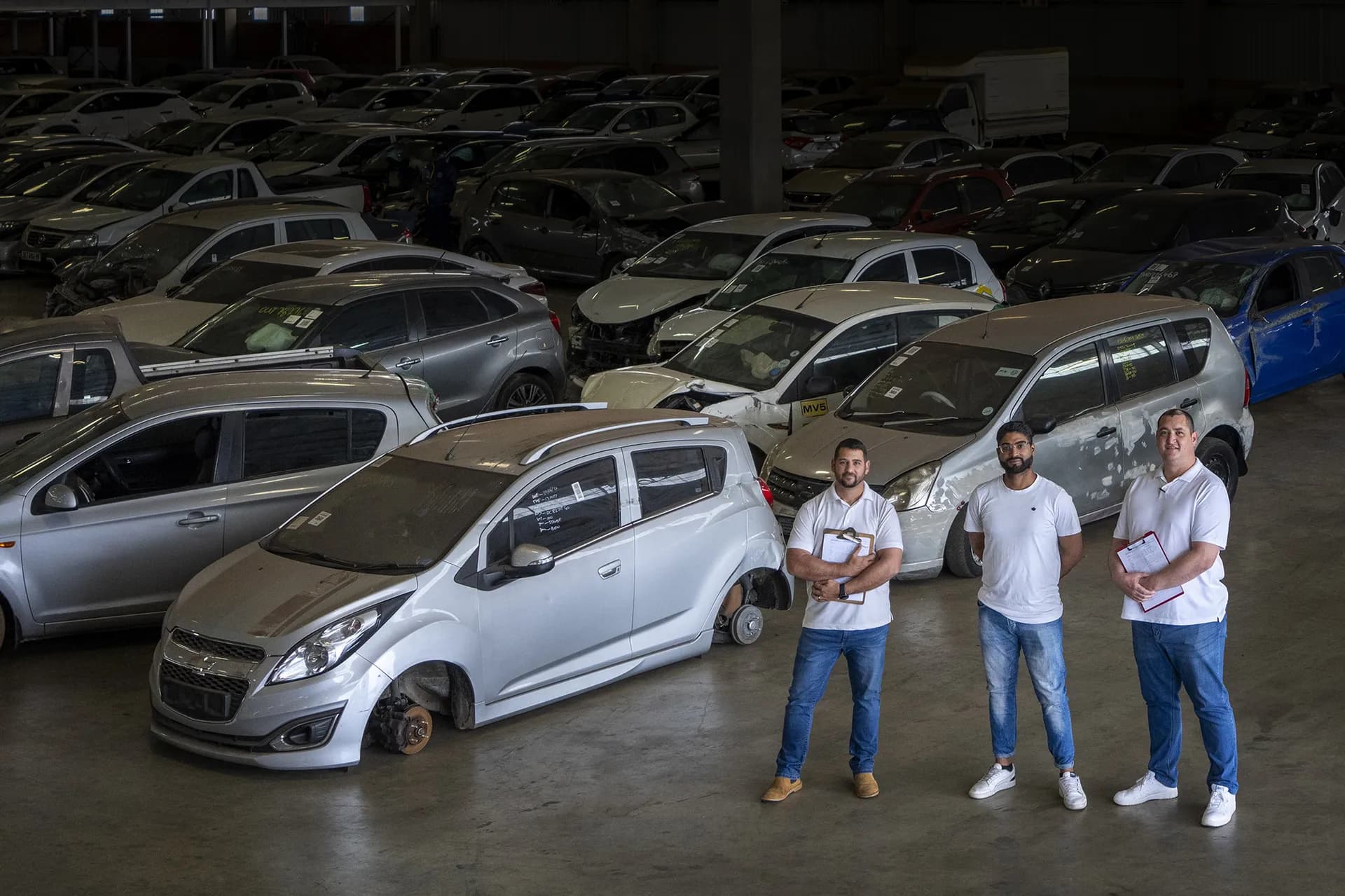
Estimate Salvage Value
Use a tool to get a data-driven salvage range for your damaged vehicle.
Compare Repair vs Sell
Weigh repair cost against estimated salvage proceeds to decide.
SA Paperwork & Logistics
Consider deregistration, finance status and nationwide collection costs.
Overview: what a south-africa-salvage-vehicle-pricing-tool does
A south-africa-salvage-vehicle-pricing-tool helps owners, buyers and traders estimate the likely market value of a damaged or written-off vehicle in South Africa. Rather than an exact quote, the tool gives a data-driven range based on factors such as make, model, age, mileage, extent of damage and current salvage demand. For South African sellers this estimate is useful when comparing repair costs, private-sale options or quick-sale routes that include free towing and assistance with deregistration.
Why estimates matter
Salvage pricing differs from insurance valuations and retail resale. Salvage values reflect market demand for usable parts, repairability, and the logistics of collection in metros like Johannesburg, Cape Town and Durban. Using a south-africa-salvage-vehicle-pricing-tool gives a clearer picture of realistic cash offers and helps avoid under- or over-repairing a vehicle.
How the tool uses local market inputs
- Base market value for the model and year in South Africa.
- Severity and type of damage (structural, mechanical, cosmetic, flood, fire).
- Salvage demand for parts-some brands/engines retain higher salvage value.
- Location and logistics costs for collection across South Africa.
Note: A pricing tool is an estimate, not an offer. Final offers consider inspection, current salvage market conditions and any outstanding vehicle finance.
When to sell versus repair
Deciding whether to repair a damaged vehicle or sell it as salvage depends on repair cost, retained value after repair, and personal circumstances (time, cash flow, ability to manage repair logistics). A south-africa-salvage-vehicle-pricing-tool helps compare likely cash from a sale against estimated repair costs.
| Scenario | Typical repair cost (R, estimate) | Value retained after repair |
|---|---|---|
| Minor cosmetic damage | R2,000 - R15,000 | High (70-90% of original market value) |
| Moderate structural/airbag repair | R20,000 - R80,000 | Medium (40-70% of original value) |
| Severe flood or fire damage | R50,000+ | Low (10-40% of original value) |
These ranges are illustrative and meant to show how repair cost can quickly erode the benefit of restoring the vehicle. If the repair cost approaches or exceeds the likely resale value, selling as salvage often becomes the more practical option.
How a south-africa-salvage-vehicle-pricing-tool works in practice
Most pricing tools follow a simple flow: enter vehicle details and photos, the tool applies local valuation data, and returns a range or score that reflects salvage value. For a more complete view, combine tool results with a service that offers collection, paperwork help and immediate payment options.
If you’re using an online tool alongside a buyer, check how they handle collection and paperwork. For example, Sell Your Damaged Car explains their process and nationwide services on their about page: About / How it works and on the homepage: Sell Your Damaged Car homepage.
Practical example
Example: a 2014 sedan with a salvaged front end and average mileage. A pricing tool might show an estimated salvage range of R15,000-R30,000 depending on parts demand and repairability. If repair estimates sit at R60,000, the tool indicates selling as salvage is likely the more economical choice. Always check whether the vehicle has outstanding finance before accepting any sale.
Legal & paperwork in South Africa
In South Africa, selling a salvage vehicle requires clear ownership transfer and deregistration procedures. If the vehicle is financed, the finance provider’s consent is generally required; outstanding debt must be addressed before a clean transfer can occur. A professional buyer who handles administration can simplify this: they typically check documentation, settle finance where appropriate, assist with deregistration or transfer, and collect the vehicle nationwide.
Common documentation checklist
- Valid vehicle registration papers (if available).
- Proof of identity and bank details for payment.
- Finance clearance or confirmation from the lender, where applicable.
- Clear photos and a damage description to validate the pricing tool estimate.
Tips to maximise what a pricing tool tells you
A south-africa-salvage-vehicle-pricing-tool is only as good as the information you provide. Improve estimate accuracy and potential offers by:
- Providing multiple clear photos from different angles, including VIN and engine bay where possible.
- Describing pre-existing issues separately from new damage to avoid undervaluation.
- Noting parts that are known to be in good condition (e.g., low-wear engine, undamaged gearbox).
- Confirming whether the vehicle is currently taxed or under finance.
| Damage type | Typical impact on salvage offer |
|---|---|
| Minor cosmetic | Low impact - parts and repairable panels still valuable |
| Structural/airbags deployed | Significant reduction - safety systems and chassis damage lowers offers |
| Flood or fire | Major reduction - electrical and mechanical components often compromised |
What happens after collection
When a salvage vehicle is collected, a typical professional process includes paperwork completion, confirmation of payment instructions, vehicle removal via free towing, and the buyer arranging salvage processing - either dismantling for parts or repair for resale in accordance with legal and safety standards. If you work with a buyer that offers nationwide collection and admin support, much of the administrative burden is removed.
How to use tool output in real negotiations
Treat the pricing tool result as a reference point. Use it to set realistic expectations and to inform negotiations with buyers who factor in inspection and logistics. For owners of non-running or heavily damaged cars, consider specialised services that combine online valuation with free towing and paperwork handling; see dedicated pages for selling non-running or damaged vehicles such as the Sell Non-Running Car page: Sell Non-Running Car and the Sell Damaged Cars page: Sell Damaged Cars.
Practical, South Africa-specific scenarios
- Johannesburg: high parts demand may lift salvage estimates for common mid-range models.
- Cape Town and Durban: logistical costs and seasonal demand (e.g., post-storm flood vehicles) influence offers.
- Rural or remote pickups: verify whether the buyer includes free towing - transport costs can reduce net offers.
Practical tip: If a tool’s estimate and initial buyer offers differ widely, request a clear breakdown of deductions for transport, inspection and processing before accepting.
Sources
Seasoned automotive specialists dedicated to helping you turn your damaged or non-running vehicle into cash fast and hassle-free.
Disclaimer: This content is for educational purposes only. Product availability, pricing, and specifications are subject to change. Always verify current details on the retailer's website before making a purchase. We may earn affiliate commissions from qualifying purchases.
Why sell your damaged car to us?

A Division of Auction Nation, the leading expert in selling damaged cars

Best price for your damaged car

Get a cash offer within 24h

We buy damaged cars in any condition

We buy accident- damaged cars still under finance

Free, no obligation offer on your vehicle
How We Calculate Your Damaged Car’s Value
Wondering how we calculate your car’s value? At Sell Your Damaged Car, we look at: Your car’s real condition, its salvage value, and the current market demand. It’s all about honesty, transparency, and fairness — that’s how we determine your offer.
Frequently Asked Questions
Get answers to common questions about Comparison And Alternatives
Why Choose Sell Your Damaged Car?
Free Towing
Need a tow? We got you
Hassle Free
Get a cash offer within 24h!
Nationwide
Somewhere remote? No problem!
