
Fire-Damaged Car Valuation in South Africa - What Owners Should Know
Understand how fire-damaged car valuation works in South Africa, what affects offers, repair vs sell criteria, paperwork requirements and tips to improve your valuation.
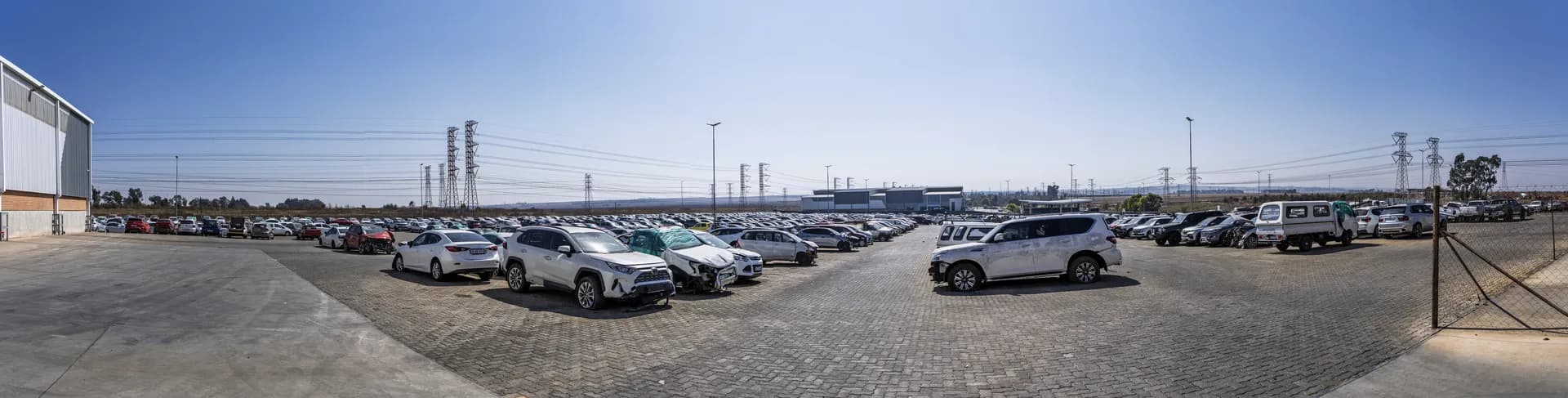
What Affects Valuation
Extent of fire damage, parts demand and pre-loss market value determine offers.
Repair vs Sell Decision
Compare repair cost to retained value; selling is often simpler for severe fires.
SA Practicalities Covered
Consider finance, deregistration and free towing options when selling.
Overview: understanding fire-damaged car valuation in South Africa
Fire damage can range from minor scorched trim to complete engine bay or cabin destruction. A clear, contextual valuation helps South African owners decide whether to repair, claim through insurance, or sell the vehicle as salvage. This guide explains how fire-damaged car valuation works in South Africa, what factors most affect offers, and practical next steps for owners in Johannesburg, Cape Town, Durban and beyond.
Key factors that determine valuation
- Extent of structural and electrical damage (engine bay, wiring loom, chassis).
- Age, make and market demand for parts or salvage.
- Pre-damage market value and recorded mileage.
- Insurance status (written-off by insurer vs owner-declared damage).
- Availability of clear paperwork and service history.
Note: Valuation outcomes in South Africa are typically expressed as a percentage of the vehicle's pre-damage market value or as a market-driven salvage value (figures below are indicative and may vary by region).
Repair cost vs retained value (example ranges, South Africa)
| Typical repair scope | Estimated repair cost (R) | Likely retained value after repair |
|---|---|---|
| Minor interior scorch / replace trim | R3,000 - R15,000 | 70% - 90% of pre-damage value |
| Engine compartment wiring & component replacement | R20,000 - R80,000 | 40% - 70% of pre-damage value |
| Severe structural or full-cabin fire | R80,000 - R200,000+ | Often classified as write-off / salvage |
These ranges are estimates to illustrate how repair costs compare with retained value. In many cases, when repair costs approach or exceed 50% of the vehicle's pre-damage market value, insurers or buyers treat the car as salvage.
When to sell a fire-damaged car vs repair it
Deciding whether to repair or sell depends on finances, sentimental value, insurance outcomes and the likely market for repaired vehicles. Consider selling when repairs are costly, electrical/structural damage is extensive, or when you need a quick, low-effort solution. Repair may be sensible for newer, high-value vehicles where certified repairs restore most utility and insurability.
Practical checklist to help decide
- Get a professional damage assessment and a repair estimate.
- Check insurer classification: is the car written-off or borderline?
- Estimate time and hidden costs (electrical faults often surface later).
- Compare offers from salvage buyers versus repair cost plus resale value.
If you want a fast valuation or to compare options, our online valuation tool can provide a transparent salvage offer - start on the homepage or learn more about the process on our About & How it works page.
How the valuation process works (step-by-step)
A practical valuation typically follows these steps: collect photos and damage detail, estimate repair costs, assess salvage market demand for parts, and compare against the vehicle's pre-loss market value. Professional buyers adjust offers for towing, paperwork and resale costs. If you sell through a specialist buyer, expect a transparent breakdown of how the offer was calculated.
Damage types vs typical offer impact
| Damage type | Typical effect on offer |
|---|---|
| Superficial interior / trim fire | Moderate reduction - repairable at low cost |
| Engine bay / wiring loom damage | Significant reduction - electrical risk raises costs |
| Structural frame / full cabin burn | Major reduction - often classified as salvage/write-off |
Legal & paperwork considerations in South Africa
Selling a fire-damaged vehicle in South Africa requires clear transfer of ownership and, where relevant, assistance with deregistration. If the vehicle is under finance, you must settle or obtain lender consent. Insurer write-offs commonly involve an insurer valuation and paperwork; whether you keep or sell a vehicle after an insurance payout affects registration documentation.
- Ensure you have the vehicle registration certificate and ID.
- Declare any finance agreements; buyers will require lender details.
- If the vehicle has been declared a total loss by an insurer, request written confirmation for records.
If you prefer a solution that handles admin, our service includes paperwork handling and assistance with deregistration - see the Sell Damaged Cars and Sell Non-Running Car pages for typical inclusions.
Tips to maximise your valuation
- Provide clear photos from multiple angles, including close-ups of affected components and the VIN plate.
- Gather service history and recent maintenance receipts to support pre-damage value.
- Disclose all damage honestly - transparency speeds up offers and protects you legally.
- Obtain multiple independent estimates if you plan to repair; compare repair cost vs salvage offers.
What happens after you accept a salvage offer
After accepting a buyer's offer, expect the following practical steps: paperwork completion (transfer and any deregistration), free towing arrangement where provided, and payment processing. For owners in remote locations, nationwide collection services ensure logistics are handled without additional cost. Always verify payment details and request written confirmation of transfer completion.
Real-world example (illustrative, South Africa)
A seven-year-old hatchback with engine-bay wiring damage may receive an offer reflecting high replacement and electrical risk; repair estimates of R35,000 - R60,000 could push retained value below economic repair thresholds. Selling to a specialist that offers free towing and paperwork handling can be a lower-effort, transparent option for owners who prefer cash and to avoid repair uncertainties.
Sources
Seasoned automotive specialists dedicated to helping you turn your damaged or non-running vehicle into cash fast and hassle-free.
Disclaimer: This content is for educational purposes only. Product availability, pricing, and specifications are subject to change. Always verify current details on the retailer's website before making a purchase. We may earn affiliate commissions from qualifying purchases.
Why sell your damaged car to us?

A Division of Auction Nation, the leading expert in selling damaged cars

Best price for your damaged car

Get a cash offer within 24h

We buy damaged cars in any condition

We buy accident- damaged cars still under finance

Free, no obligation offer on your vehicle
How We Calculate Your Damaged Car’s Value
Wondering how we calculate your car’s value? At Sell Your Damaged Car, we look at: Your car’s real condition, its salvage value, and the current market demand. It’s all about honesty, transparency, and fairness — that’s how we determine your offer.
Frequently Asked Questions
Get answers to common questions about Damage Types
Why Choose Sell Your Damaged Car?
Free Towing
Need a tow? We got you
Hassle Free
Get a cash offer within 24h!
Nationwide
Somewhere remote? No problem!
