
Selling an Accident Car in South Africa: Practical Tips to Maximise Value
Expert tips for selling an accident-damaged car in South Africa. Learn how to prepare documents, present damage, choose buyers and protect yourself during sale.
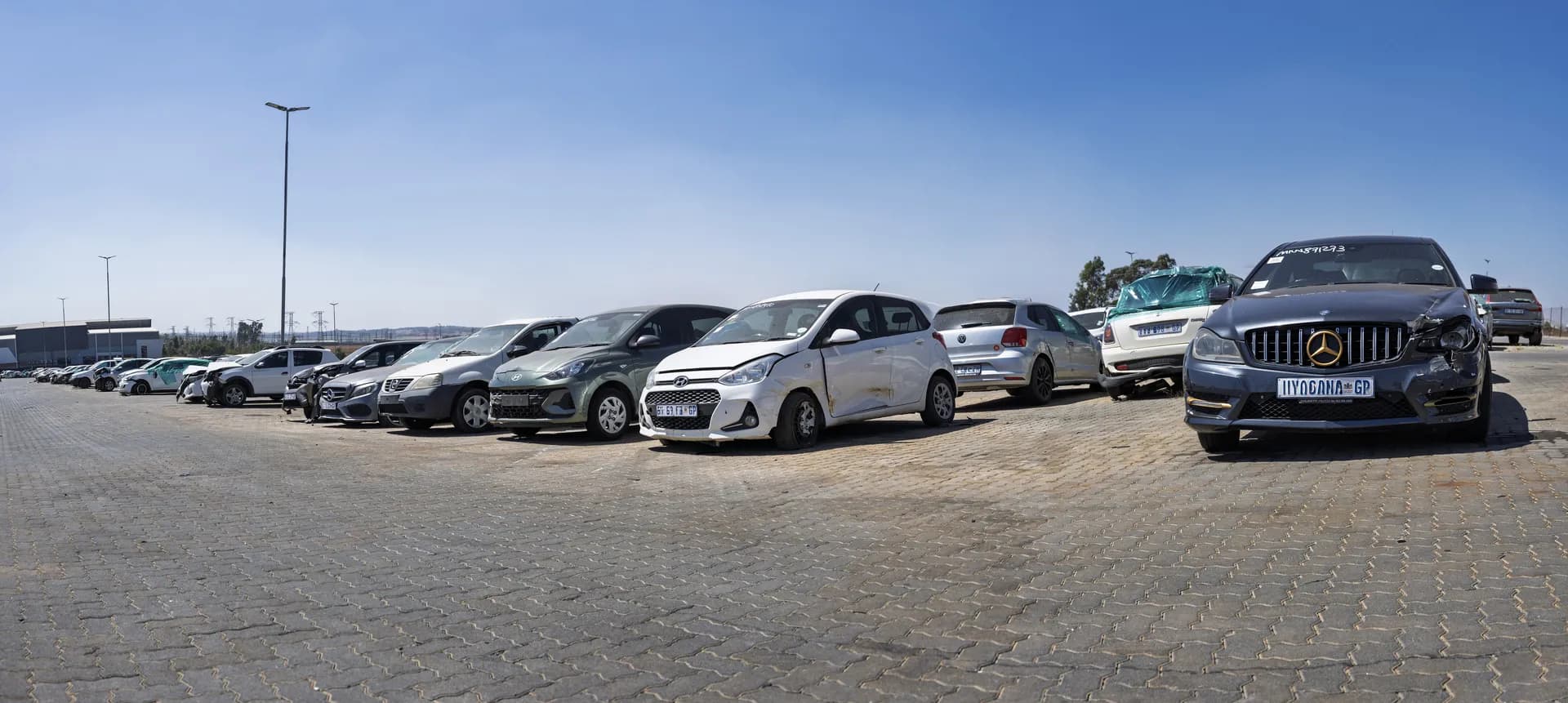
Overview: Selling an Accident Car in South Africa
If your vehicle has been in an accident, you face choices: repair, keep as-is, or sell. For many owners in Johannesburg, Cape Town, Durban and surrounding areas, selling a damaged car is the fastest way to recover cash and avoid ongoing towing, storage and repair uncertainty. This guide covers practical selling tips tailored to South Africa's market, including how to present your vehicle, paperwork to prepare, and how different damage types typically affect offers.
When selling makes sense
- Repair estimate exceeds likely market value or you lack time to manage repairs.
- Vehicle is non-running, written-off by an insurer, or has structural/flood damage.
- You want a quick, low-hassle outcome with free towing and paperwork handled.
Repair cost vs value retained (typical South Africa ranges)
| Situation | Typical repair cost (R) | Estimated value retained after repair |
|---|---|---|
| Minor bumper/cosmetic repairs | R3,000 - R15,000 | High - resale near pre-accident market value |
| Moderate structural/engine work | R20,000 - R80,000 | Variable - often lower than repair cost recovery |
| Severe, flood or write-off level damage | R50,000+ | Low - salvage market determines value |
Notes: figures are indicative for South Africa and will vary by make, model, year and local labour/parts costs. When repair costs approach or exceed likely market value, selling as-is is often the better option.
Damage types vs typical offer impact
| Damage type | Typical impact on offers |
|---|---|
| Cosmetic (bumper, lights, panels) | Moderate impact; often economical to repair but lowers immediate offers. |
| Structural/frame damage | Significant impact; buyers factor in repair complexity and safety considerations. |
| Engine/transmission failure | Large negative impact; often sold for parts or salvage unless low-cost fixable. |
| Flood or fire damage | High impact; many buyers avoid due to hidden long-term risks. |
Helpful note: Buyers will ask for clear photos and honest descriptions. Accurate disclosure avoids disputes at collection and speeds up payment.
Practical first steps after an accident
- Obtain the police accident report from SAPS if applicable; many buyers request this for verification.
- Gather service history, ownership documents and any insurance or assessor reports.
- Take clear photos: overall vehicle, odometer, VIN/chassis, and close-ups of all damage.
If the vehicle is non-running, note its exact location and accessibility for towing. Many South African buyers, including nationwide services, provide free towing which removes logistical barriers for sellers in remote areas as well as metros like Cape Town, Durban and Johannesburg.
Related resources on our site: Sell Non-Running Car, Sell Damaged Cars, and How our process works.
How to Present Your Accident Car to Get Better Offers
Photos and honest descriptions
High-quality images from multiple angles and a frank description of damage increase buyer confidence. Include the odometer, VIN, interior shots and close-ups of damage. Note if the engine starts, any noises, and whether airbags deployed.
Paperwork and finance status
Compile the registration certificate, ID copy of the seller, service history and any assessor or insurer documents. If the vehicle is under finance, inform potential buyers and provide the bondholder details; many buyers can liaise with finance houses to settle the balance on collection.
Where to sell and pricing approach
- Trade/salvage buyers: quicker and simpler for written-off or heavily damaged cars.
- Private sale: can yield higher price for minor damage but involves more time and risk.
- Online instant-offer services: fast valuations, free towing and paperwork handling are common features in South Africa and reduce seller effort.
Tips to maximise your offer without costly repairs
- Present accurate documentation and full photo evidence to reduce buyer discounting.
- Avoid unnecessary repairs; cosmetic fixes can be low priority for salvage buyers and cost more than they add in value.
- If safe and legal, move the vehicle to an accessible spot to lower towing difficulty charges.
Legal & paperwork specifics in South Africa
Key administrative points: ensure ownership is clear, disclose any finance or insurance write-off status, and sign transfer documentation at collection. Many professional buyers will handle deregistration/transfer with provincial traffic authorities using eNaTIS processes on behalf of the seller. If the vehicle is listed as stolen or has outstanding fines, resolve these issues first to avoid transfer delays.
What happens after collection
Professional buyers typically complete paperwork, collect the vehicle with free towing, and release payment once transfer documents are signed. Payment timelines vary but reputable services in South Africa often confirm payment on collection or shortly afterwards; verify how and when funds are released before finalising sale.
Avoiding scams and protecting yourself
- Meet only verified buyers, confirm company details, and use traceable payment methods.
- Insist on a written offer and clear transfer paperwork; do not hand over keys before payment is confirmed.
- Check reviews and request references where possible. See our guidance on common scams: How our process works and fraud-awareness pages on industry sites.
Practical South Africa scenarios
Scenario A: A compact car in Johannesburg with front-end damage and a healthy engine may attract higher offers from local repairers or private buyers. Scenario B: A flood-damaged SUV in Durban is likely to be treated cautiously; many buyers will reduce offers due to corrosion risk. Scenario C: A written-off fleet vehicle in Cape Town can be efficiently handled by buyers who offer free towing and manage fleet paperwork, saving administrators time.
Final checklist before you sell
- Gather photos, VIN, service history and police reports if any.
- Confirm finance status and have bondholder contacts ready if applicable.
- Ask potential buyers about towing arrangements, transfer handling and payment timing.
Sources
- South African Police Service (SAPS) - Official website for reporting road incidents
- Department of Transport (South Africa) - Vehicle registration and transfer information
- National Credit Regulator (NCR) - Guidance on vehicles under finance in South Africa
- AA South Africa - Advice on towing, accident steps and vehicle condition
Seasoned automotive specialists dedicated to helping you turn your damaged or non-running vehicle into cash fast and hassle-free.
Disclaimer: This content is for educational purposes only. Product availability, pricing, and specifications are subject to change. Always verify current details on the retailer's website before making a purchase. We may earn affiliate commissions from qualifying purchases.
Why sell your damaged car to us?

A Division of Auction Nation, the leading expert in selling damaged cars

Best price for your damaged car

Get a cash offer within 24h

We buy damaged cars in any condition

We buy accident- damaged cars still under finance

Free, no obligation offer on your vehicle
How We Calculate Your Damaged Car’s Value
Wondering how we calculate your car’s value? At Sell Your Damaged Car, we look at: Your car’s real condition, its salvage value, and the current market demand. It’s all about honesty, transparency, and fairness — that’s how we determine your offer.
Frequently Asked Questions
Get answers to common questions about Tips And Advice
Why Choose Sell Your Damaged Car?
Free Towing
Need a tow? We got you
Hassle Free
Get a cash offer within 24h!
Nationwide
Somewhere remote? No problem!
