
Should I Scrap or Sell My Old Car? A Practical South Africa Guide
Decide whether to scrap, repair or sell your old car in South Africa. Compare costs, paperwork, towing and practical steps for a faster outcome.
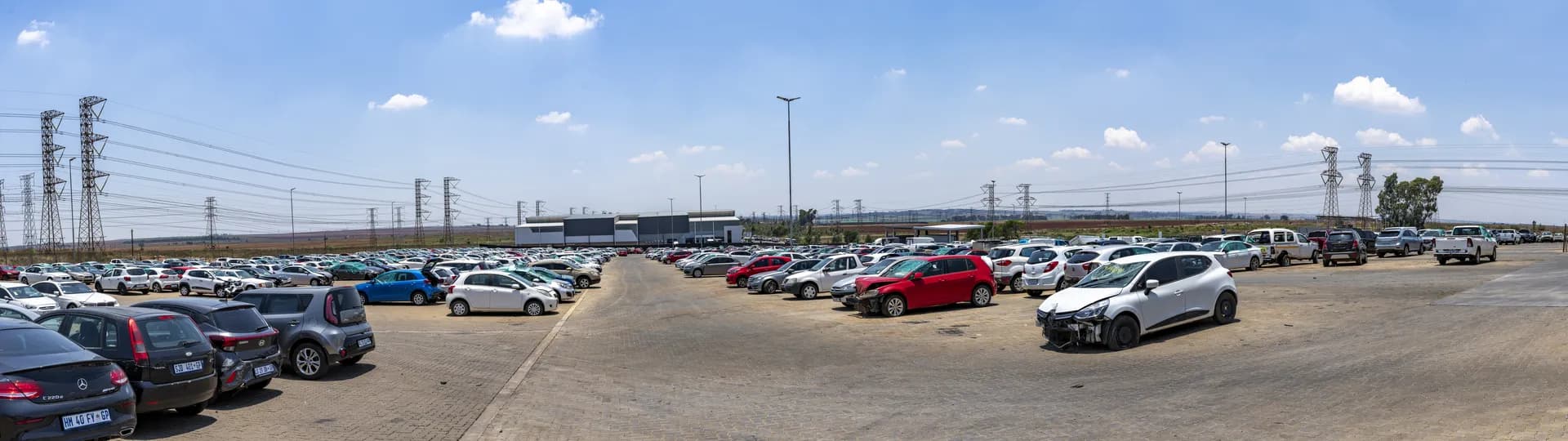
Compare Repair vs Sell
Get repair estimates and as-is offers to decide which yields higher net value.
Include Paperwork & Towing
Buyers that handle deregistration and free towing often increase net proceeds.
Get Multiple Offers
Compare scrap yards, specialist buyers and patch-repair quotes before deciding.
Overview: scrap, sell or repair an old car?
If you own an old, damaged or non-running car you may be weighing whether to scrap it, invest in repairs, or sell it as-is. The right choice depends on repair costs versus market value, vehicle condition, outstanding finance, and local logistics. This guide helps South African owners - from Johannesburg and Cape Town to Durban and smaller towns - make an informed decision by comparing practical costs, legal steps and market realities.
When scrapping makes sense
Scrapping can be the best option when repair estimates exceed the car’s residual market value, when a vehicle is extensively corroded or structurally compromised, or when parts value is higher than the whole. Scrapyards typically pay for metal and usable components; however, payments tend to be modest and towing may not be included.
When selling is better than scrapping
Selling the car as damaged, written-off or non-running often returns more than scrap metal alone. Buyers in the salvage and repair market, or specialist purchasers, factor in parts resale and repair feasibility. Selling can also remove admin burdens quickly if the buyer offers towing and handles deregistration.
Quick note: If the vehicle is under finance, notify your finance provider before selling or scrapping. Outstanding debt must be settled or transferred; unauthorized disposal can create legal issues.
Repair cost vs value retained (example)
| Scenario | Typical repair estimate (R, approx) | Likely value retained after repair (R, est.) | When to choose |
|---|---|---|---|
| Minor body damage, running | R3,000 - R12,000 | R10,000 - R40,000 | Repair if resale value > cost |
| Major structural or engine failure | R20,000 - R80,000 | R5,000 - R25,000 | Sell as damaged or scrap |
| Non-running, cosmetic wear | R5,000 - R25,000 | R7,000 - R30,000 | Compare offers: specialist buyer may pay more |
Damage types vs typical offer impact
| Damage type | How offers are affected |
|---|---|
| Structural/frame damage | Large negative impact; often sold for parts or scrap. |
| Engine/transmission failure | Significant reduction; parts salvage may recover value. |
| Flood or fire damage | Severe impact; safety and repair complexity lower offers. |
| Cosmetic & minor mechanical | Smaller reduction; repair may be worthwhile. |
For a realistic comparison, get at least two repair estimates and two offers to buy the car as-is. Specialist buyers often account for towing and paperwork, which can improve the net proceeds compared with scrap yards.
If you want to compare a sale route that handles non-running vehicles, see our Sell Non-Running Car page for process details: Sell Non-Running Car.
How the sale process typically works (practical steps)
- Gather details: make, model, year, mileage, condition and clear photos.
- Get multiple offers: compare scrap yards, private buyers and specialist purchasers.
- Check inclusions: does the buyer offer free towing, handle paperwork and deregistration?
- Agree terms and confirm collection date. Retain proof of deregistration or transfer.
Learn more about how a full-service buyer handles collection and admin on our About page: How it works.
Legal & paperwork in South Africa
Whether you scrap or sell, completing the correct paperwork protects you from future liability. Common requirements include a correctly completed change of ownership or proof of deregistration, submitting a written sale agreement, and ensuring the vehicle is not encumbered by outstanding finance. If the car is written-off for insurance, inform your insurer and follow their de-registration guidance.
Key checks before you sell or scrap
- Confirm whether the vehicle is under finance and arrange settlement or written consent from the finance company.
- Check whether the buyer will handle deregistration with the licensing authority and provide a receipt or transfer confirmation.
- Retain copies of ID, proof of ownership and the signed sale agreement for your records.
Tips to maximise your offer
- Provide clear photos from several angles, including close-ups of damage and the odometer.
- Be honest and thorough in the condition description; transparency avoids delays at collection.
- Ask whether the buyer includes free towing and paperwork handling - these reduce your out-of-pocket costs.
- Compare at least two specialist buyers; a specialist salvage purchaser often pays more than scrap yards for reusable parts.
Practical example - Johannesburg owner
Consider a 2008 sedan with engine failure in Johannesburg. Repair estimates at independent workshops ranged R40,000-R60,000, while specialist salvage buyers offered to buy the car as-is with free towing and paperwork. After accounting for towing and repair time, the specialist sale was the faster, lower-effort option. Figures are illustrative and depend on specific vehicle data and market demand.
What happens after collection
A reliable buyer will complete paperwork on collection, provide written confirmation of transfer or scrapping, and release payment promptly. If the buyer handles deregistration, ask for a receipt or reference number you can keep. For peace of mind, request an itemised receipt that documents the condition and agreed amount at handover.
If you prefer a service that buys damaged or non-running cars and includes free towing and paperwork handling, review the Sell Damaged Cars page for typical inclusions and process flow: Sell Damaged Cars. To start an online valuation or compare an offer against scrap, visit the homepage: Sell Your Damaged Car.
Final checklist before you decide
- Obtain repair quotes and compare to the car’s resale value.
- Get offers from scrap yards and specialist buyers - note inclusions like towing and admin.
- Confirm the buyer’s process for deregistration and payment timing.
- Keep written records of the sale and proof of transfer or scrapping.
Sources
- Automobile Association South Africa - vehicle ownership and selling guidance
- Cars.co.za - used car market trends and valuation tools (South Africa)
- Road Traffic Management Corporation (RTMC) - vehicle registration and licensing information
Estimated figures in this guide are provided as examples and will vary by region and vehicle. Use them to frame your decision, then obtain live offers and repair quotes for your specific car before deciding whether to scrap or sell.
Seasoned automotive specialists dedicated to helping you turn your damaged or non-running vehicle into cash fast and hassle-free.
Disclaimer: This content is for educational purposes only. Product availability, pricing, and specifications are subject to change. Always verify current details on the retailer's website before making a purchase. We may earn affiliate commissions from qualifying purchases.
Why sell your damaged car to us?

A Division of Auction Nation, the leading expert in selling damaged cars

Best price for your damaged car

Get a cash offer within 24h

We buy damaged cars in any condition

We buy accident- damaged cars still under finance

Free, no obligation offer on your vehicle
How We Calculate Your Damaged Car’s Value
Wondering how we calculate your car’s value? At Sell Your Damaged Car, we look at: Your car’s real condition, its salvage value, and the current market demand. It’s all about honesty, transparency, and fairness — that’s how we determine your offer.
Frequently Asked Questions
Get answers to common questions about Selling Guides
Why Choose Sell Your Damaged Car?
Free Towing
Need a tow? We got you
Hassle Free
Get a cash offer within 24h!
Nationwide
Somewhere remote? No problem!
