
Selling a Water-Damaged Car to a Dealer vs Scrap Yards - South Africa Guide
Compare selling a water-damaged car to a dealer or scrap yard in South Africa. Learn repair vs scrap economics, paperwork, and tips to maximise offers.
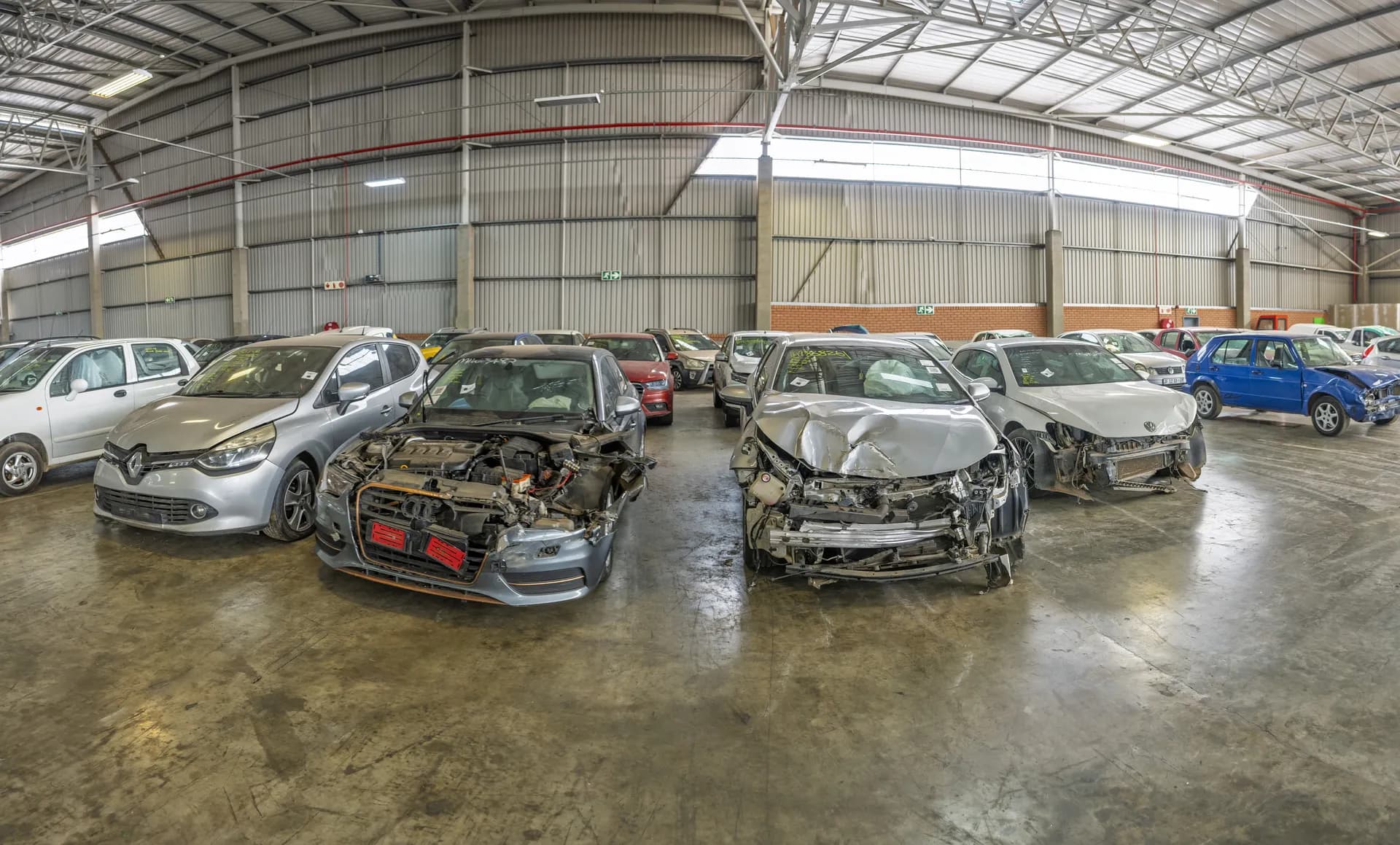
Dealer vs Scrap Decision
Choose dealer for repairable parts or scrap for severe corrosion and total loss.
Consider Net Proceeds
Factor repair cost, towing and paperwork when comparing offers.
Paperwork & Nationwide Service
Use buyers who handle deregistration and provide free towing across SA.
Overview: water-damaged cars and your decision
Selling a water-damaged car raises different considerations than routine private sales. Water intrusion can affect electronics, engines, interiors and structural components; the severity ranges from minor dampness to full engine or ECU failure. The choice between selling to a dealer (including salvage-specialist dealers) or sending the vehicle to a scrap yard depends on vehicle condition, remaining market value, cost of repair and your need for speed. This guide explains the trade-offs so owners in Johannesburg, Cape Town, Durban and across South Africa can make an informed choice.
Key factors to weigh
- Extent of water damage: interior only, partial mechanical/electrical damage, or full-submersion.
- Vehicle value pre-damage and current salvage demand for that make/model.
- Repair cost estimates versus realistic resale value after repair.
- Time, paperwork and logistics - especially if the vehicle is non-running.
Note: Estimates below use R for South African rand and are illustrative ranges; local quotes may differ by city and vehicle specifics.
When to sell to a dealer versus scrap
A dealer or salvage buyer may pay more than scrap if the car has repairable parts, a desirable model, or a repair path that restores value for resale. Scrap yards are appropriate when repair costs greatly exceed potential resale value or when the car is extensively corroded or mechanically ruined. For many owners, a quick online valuation that accounts for condition and towing options helps decide the sensible route.
Repair cost vs value retained
| Scenario | Estimated repair cost (R) | Typical retained value after repair (R) | Guidance |
|---|---|---|---|
| Minor interior water (carpets, sensors) | R2,000 - R12,000 | ~70-90% of pre-damage market value | Dealer or private sale may be viable |
| Medium: partial electrical/engine attention | R15,000 - R60,000 | ~40-70% of pre-damage market value | Consider salvage dealer offers |
| Severe: full submersion / long-term corrosion | R60,000+ | Often below scrap value after costs | Scrap yard most practical |
These ranges are indicative; a dealer experienced in salvage can often value usable parts or repairability better than a general scrap buyer. If your vehicle is non-running, factor in towing cost - many reputable buyers offer free towing nationwide, which affects net proceeds and convenience.
Damage types vs typical offer impact
| Damage type | Typical dealer offer impact |
|---|---|
| Interior water / damp electronics | Moderate reduction; parts and drying may restore value |
| Engine or transmission immersion | Large reduction; often classed as salvage depending on severity |
| Corrosion to chassis/electrical harness | Severe reduction; scrap or parts-only routes likely |
If you want a quick valuation that accounts for these damage types, use an online service that accepts photos and provides an immediate offer. For more details on selling non-running vehicles, see Sell Non-Running Car and for damaged-vehicle guidance visit Sell Damaged Cars.
How the sale process differs: dealer vs scrap
Dealers and salvage buyers typically offer a structured process: online valuation, offer based on photos and details, acceptance, paperwork handling (including deregistration assistance) and collection - often with free towing. Scrap yards often offer payment by weight or parts value and may require you to arrange delivery unless they provide collection. For many sellers the convenience of collection and admin handling is a deciding factor.
Step-by-step: dealer / salvage buyer
- Submit vehicle details and photos online; include clear shots of waterline, engine bay and VIN.
- Receive an offer that reflects repairability, parts value and salvage demand.
- If accepted, paperwork is completed (transfer/deregistration help) and free towing is scheduled.
- Vehicle is collected and payment processed - many services verify payment immediately after collection.
Step-by-step: scrap yard route
- Obtain quotes from local scrap yards - prices may differ by metal prices and parts demand.
- Confirm whether the scrap yard handles paperwork or requires you to sign ownership transfer documents.
- Arrange delivery or collection; weigh-in procedures may apply before payment.
Legal & paperwork considerations in South Africa
Transfer of ownership and deregistration are important. If the vehicle is under finance, you must inform the financier and obtain clearance before transfer. Reputable buyers will check and guide on outstanding finance. Deregistration or transfer is typically handled via eNATIS processes; choose a buyer that offers paperwork assistance to avoid delays and compliance issues. For background on registration and legal requirements, see the national transport authority guidance and the Road Traffic Management resources linked in Sources.
Tips to maximise your offer
- Be honest and clear in photos: show waterline, odometer and problem areas - transparency helps accurate offers.
- Document service history and original ownership paperwork to increase trust and perceived value.
- Get multiple offers - dealers, salvage specialists and scrap yards may value the same car differently.
- Prioritise buyers who include free towing and handle deregistration; net proceeds after logistics are what matter.
What happens after collection
After collection, reputable dealers will finalise paperwork and release payment according to the agreed terms. If the buyer intends to repair and resell, they will document the vehicle as water-damaged or repaired depending on their process and local disclosure rules. Scrap yards will process the vehicle for parts and metals. Keep copies of transfer documents and a receipt of sale for your records and tax purposes.
For a clear explanation of our nationwide process and what to expect when you sell a damaged vehicle online, see our company overview at the About / How it works page and visit the homepage for the online valuation form at Sell Your Damaged Car.
Practical South Africa examples
Example A: A 2012 hatchback with carpet damp after a rain leak - local dealer offers competitive cash because many parts remain usable and the engine runs. Example B: A 2006 bakkie fully submerged in floodwater with seized engine - scrap route was quicker, and dealer repair costs exceeded projected resale prices. These real-world-type scenarios show why getting a quick valuation and factoring free towing and paperwork handling matters.
Sources
Seasoned automotive specialists dedicated to helping you turn your damaged or non-running vehicle into cash fast and hassle-free.
Disclaimer: This content is for educational purposes only. Product availability, pricing, and specifications are subject to change. Always verify current details on the retailer's website before making a purchase. We may earn affiliate commissions from qualifying purchases.
Why sell your damaged car to us?

A Division of Auction Nation, the leading expert in selling damaged cars

Best price for your damaged car

Get a cash offer within 24h

We buy damaged cars in any condition

We buy accident- damaged cars still under finance

Free, no obligation offer on your vehicle
How We Calculate Your Damaged Car’s Value
Wondering how we calculate your car’s value? At Sell Your Damaged Car, we look at: Your car’s real condition, its salvage value, and the current market demand. It’s all about honesty, transparency, and fairness — that’s how we determine your offer.
Frequently Asked Questions
Get answers to common questions about Comparison And Alternatives
Why Choose Sell Your Damaged Car?
Free Towing
Need a tow? We got you
Hassle Free
Get a cash offer within 24h!
Nationwide
Somewhere remote? No problem!
