
Selling a Storm-Damaged Car: FAQ for South Africa
Answers for South African owners on selling a storm-damaged car: when to sell, process steps, paperwork, and tips to improve offers with nationwide support.
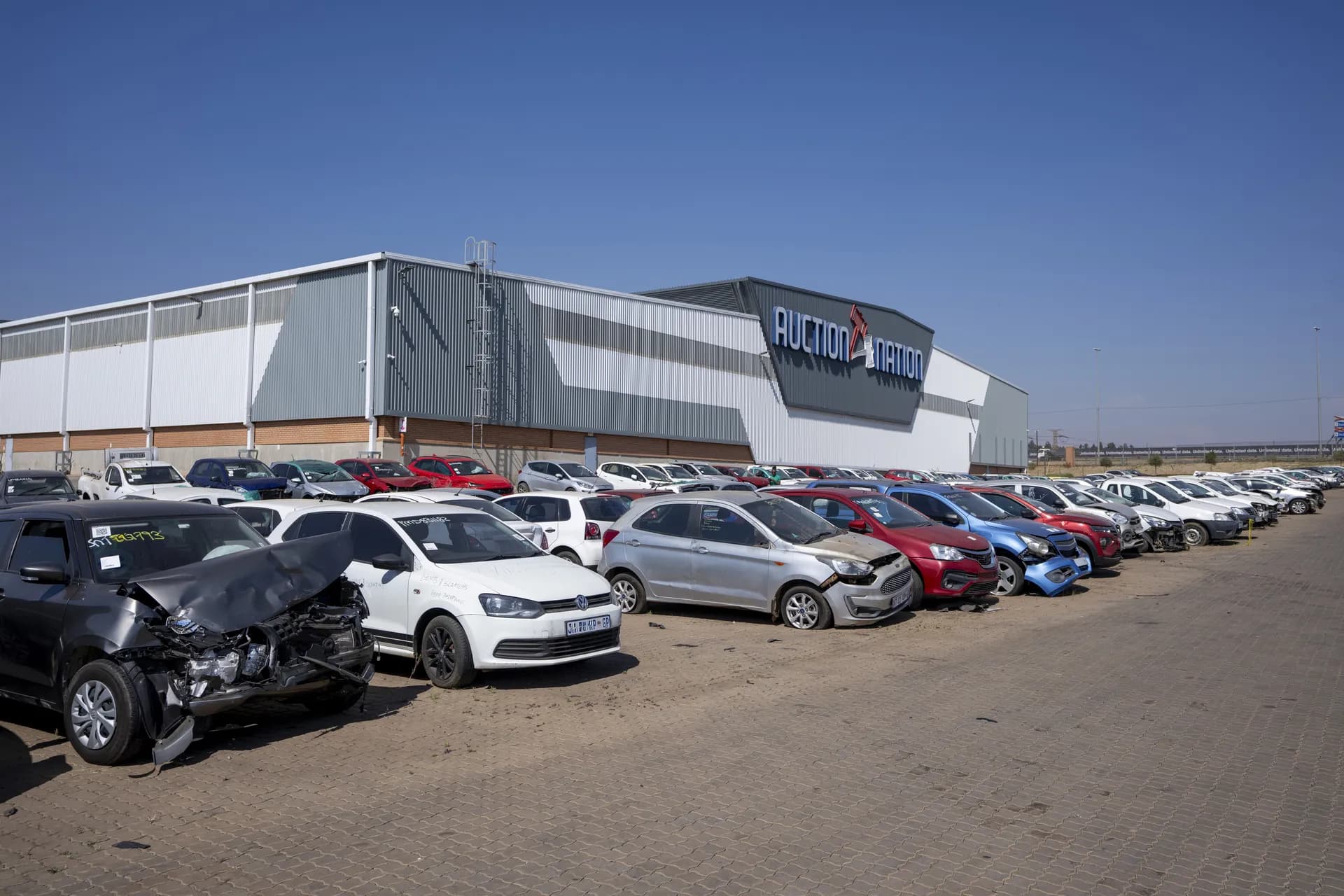
When to Sell vs Repair
If repairs approach market value or involve flood damage, selling is often practical.
Simple Selling Process
Upload details, get a transparent offer, accept, free towing and fast payment.
South Africa-Specific Help
We handle deregistration, bonded vehicles and nationwide collection, including metros.
Quick overview
This FAQ covers common questions about selling a storm-damaged car in South Africa. Whether your vehicle has hail dents, flood-related faults, wind or falling-tree damage, this guide explains when selling makes sense, how the process works with a professional buyer, and what legal and paperwork steps you should expect. We focus on pragmatic, South Africa-specific advice for private owners and small fleets in Johannesburg, Cape Town, Durban and surrounding areas.
When to sell vs repair after storm damage
Deciding between repairing a storm-damaged car and selling it depends on repair cost, current market value, safety and how long you can go without the vehicle. Selling is often preferable when repair estimates approach or exceed a large portion of the vehicle’s market value, or when flood damage has affected the engine or electrical systems.
Key factors to consider
- Extent of structural or flood damage (electrical, engine, airbag deployment).
- Age, make and model - older vehicles often recover less value after repairs.
- Time and cost to complete repairs versus immediate cash liquidity needs.
- Insurance coverage and excess amounts for storm-related claims.
Repair cost vs value retained (typical ranges in South Africa)
| Repair estimate (R) | Likely retained market value after repair | Suggested action |
|---|---|---|
| Below R10,000 | Minor reduction; retains most value | Repair if safe and cost-effective |
| R10,000-R40,000 | Moderate reduction; depends on model | Compare repair vs selling options |
| Above R40,000 | Significant reduction; resale value often lower | Selling is often the practical choice |
These figures are estimates for South Africa and will vary by vehicle condition and market demand. If your vehicle is non-running after the storm, see specific guidance on selling non-running cars on our Sell Non-Running Car page for practical next steps and documentation tips.
Damage types and how they typically affect offers
| Damage type | Common impact on offers | What buyers evaluate |
|---|---|---|
| Hail dents, panel damage | Moderate impact; often repairable | Extent of bodywork, cost to respray/replace panels |
| Wind/impact (broken glass, bodywork) | Varies; structural issues reduce offers | Structural integrity, airbag deployment |
| Flood/water ingress | High impact; electrical & engine risk | Extent of water damage, corrosion, engine/electrical condition |
| Total loss / written-off | Offers based on salvage value | Parts value, salvage market demand |
For more detail on the types of damaged vehicles we buy and how condition affects offers, see our Sell Damaged Cars page.
How the selling process works (step-by-step)
A reliable buyer will streamline the sale of a storm-damaged car: you submit details and photos, receive a transparent offer, accept if suitable, and the buyer arranges collection, paperwork and payment. For an outline of how our service operates and what to expect, review our About / How it works page.
Common steps
- Upload vehicle details, clear photos of damage and your location.
- Receive a clear, obligation-free offer based on condition and salvage demand.
- If you accept, the buyer arranges free towing and completes required paperwork (including deregistration assistance where applicable).
- Vehicle is collected and payment is released and verified promptly after collection.
Legal & paperwork considerations in South Africa
When selling a storm-damaged car in South Africa you must transfer ownership correctly and, where needed, assist with deregistration. If the vehicle is under finance, inform the lender - outstanding debt must be settled or transferred. A professional buyer that handles paperwork can reduce delays and help with deregistration processes through the relevant traffic authority.
Practical checklist
- Vehicle registration document (log book) or proof of ownership.
- ID of seller and bank details for payment.
- Any finance settlement figures if the vehicle is bonded.
- Accident/insurance reports if filed - these can affect valuation and sale clarity.
Tips to maximise your offer
You can increase transparency and often improve offers by preparing accurate information and photos, being upfront about water or engine faults, and having documentation ready. Below are practical tips used across South Africa.
Practical tips
- Take multiple clear photos from different angles, including close-ups of affected areas and the engine bay.
- Note whether the car starts and any visible leaks or electrical faults.
- Disclose prior repairs or recurring issues honestly - transparency builds trust and speeds the process.
- If the car is non-running after storm damage, see our Sell Non-Running Car guidance for documentation and collection expectations.
What happens after collection
After collection, the buyer completes administrative steps such as transfer of ownership and, where applicable, deregistration. Payment is processed and verified; time to receive funds varies by bank but reputable buyers prioritise fast payment. Keep copies of transfer documents and receipts for your records.
South Africa-specific notes
Nationwide free towing is common for specialist buyers, including collection in Cape Town, Johannesburg and Durban. If the vehicle is insured, check whether submitting a claim affects your decision to sell. For more details about our nationwide process and what we handle, visit our homepage.
Frequently asked questions (short answers)
- Can I sell a flood-damaged car? Yes. Flood damage is commonly bought by salvage-focused buyers; full disclosure helps get an accurate offer.
- What about bonded vehicles? You must inform the lender; a buyer can work with your lender to settle the bond on sale.
- Do I need to be present at collection? Typically yes for handover and signing, but arrangements can sometimes be made for authorised representatives.
- How fast is payment? Payment timelines vary but reputable services prioritise fast payment after collection and paperwork verification.
Sources
Seasoned automotive specialists dedicated to helping you turn your damaged or non-running vehicle into cash fast and hassle-free.
Disclaimer: This content is for educational purposes only. Product availability, pricing, and specifications are subject to change. Always verify current details on the retailer's website before making a purchase. We may earn affiliate commissions from qualifying purchases.
Why sell your damaged car to us?

A Division of Auction Nation, the leading expert in selling damaged cars

Best price for your damaged car

Get a cash offer within 24h

We buy damaged cars in any condition

We buy accident- damaged cars still under finance

Free, no obligation offer on your vehicle
How We Calculate Your Damaged Car’s Value
Wondering how we calculate your car’s value? At Sell Your Damaged Car, we look at: Your car’s real condition, its salvage value, and the current market demand. It’s all about honesty, transparency, and fairness — that’s how we determine your offer.
Frequently Asked Questions
Get answers to common questions about Selling Guides
Why Choose Sell Your Damaged Car?
Free Towing
Need a tow? We got you
Hassle Free
Get a cash offer within 24h!
Nationwide
Somewhere remote? No problem!
